
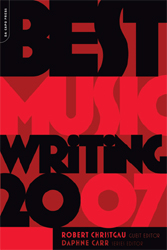
 In the intro, Robert Christgau says about making the selections for the book, “When I said I was on the hunt for writing, I wasn’t kidding.” He wasn’t. There are pages and pages of rock criticism in a gamut of styles ranging from journalism to Chris Ryan’s e-mail rants written in all caps. A collection of essays by eminent writers about eminent musicians, this book could be a load of pretentious crap—but the book sidesteps this danger because the writers clearly revere the musicians and the musicians clearly love their art.
Culture
MAKING A HOME: Japanese Contemporary Artists in New York
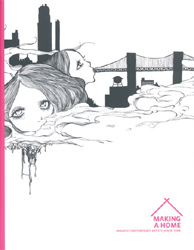 There’s no need to travel to see great Japanese artists when you can find them right in your city. That’s what co-author Eric C. Shiner discovered when the Japan Society asked him to put together an exhibit. Making a Home, based on the exhibit for the Japan Society’s centennial, flaunts the artwork of 33 Japanese-born contemporary artists living in New York. Each artist has a section containing an article and photographs on his/her work and interview excerpts.
WAR POSTERS: Weapons of Mass Communication
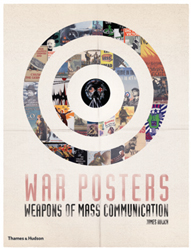 In 1917, the Imperial War Museum (IWM) was founded in London to honor victims of World War I. Author James Aulich introduces L.R. Bradley, Keeper of War Publicity at the IWM in 1917, in the introduction to War Posters. Bradley began a collection of war publicity paraphernalia—advertisements, postcards, cartoons—that, in time, would grow to be the most comprehensive collection of its kind.
Ramones: It’s Alive 1974-1996
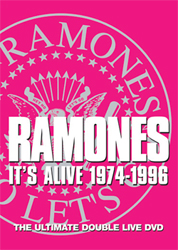 With over four hours of Ramones concert footage and television appearances along with an array of interviews and bonus features, The Ramones: It’s Alive 1974-1996 DVD set is a Ramones fanatic’s dream come true. Music supervisor Tommy Ramone provides a personal touch in compiling the band’s best moments on stage into a comprehensive anthology. From their earliest shows at CBGB to final concert footage at the River Plate Stadium in Buenos Aires, Argentina, it is apparent how the Ramones grew from a New York bar band into beloved legends, and to many, the face of punk rock itself.
Andrew Schoultz: In Chaos We Become The Ocean
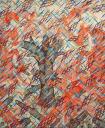
Andrew Schoultz, who has been a huge supporter of ALARM in the past, and was featured on the cover of ALARM #17, has a new solo exhibition in New York.
Andrew Schoultz:
In Chaos We Become The Ocean
March 6 – April 12, 2008
Opening reception: Thursday, March 6, 6-8pm
Morgan Lehman Gallery
Artist Laurie Lipton at TAG Art Gallery
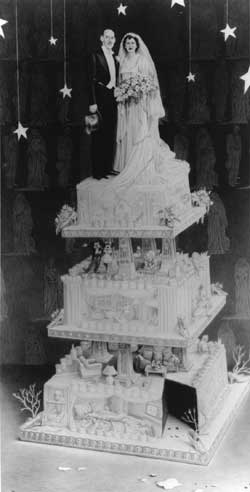
Laurie Lipton
also featuring small paintings by Emily Leonard
May 3rd – 31st
Reception – May 3rd, 6 to 9 pm
Laurie Lipton was born in New York. She was the first person to graduate from Carnegie-Mellon University in Pennsylvania with a Fine Arts Degree in Drawing (with honors). She has lived in Holland, Belgium, Germany and France and has made her home in London since 1986.
Laurie Lipton has had numerous one woman shows in England, Belgium, Holland and America. She was previously represented by the prestigious Vorpal Gallery, and has had her work exhibited in both New York & San Francisco. She recently had a major retrospective show at the Chamber of Pop Culture. Lipton has had three fine art books published on her work and was recently featured in the show “High on Life” at the American Visionary Art Museum.
NCC: Lost Control
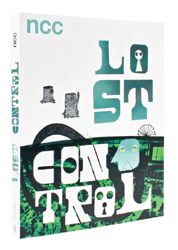 Neasden Control Centre (NCC) is the British design agency of Steve Smith. Smith, who is in his early thirties and lives in Brighton, maintaining a secret identity similar to other artists working in the genre of street-art-inspired design. Smith refers to his work as “visual rants;” his work shows an obvious background in experimental street art and cut-and-paste ‘zine making.
Facebook Is To Socializing…

Well said.
Inside Out Stuffed Bears by Kent Rogowski

In his book, titled simply “Bears,” Kent Rogowski took photos of stuffed bears that have been turned inside out.
Sign Language Alphabet Matchbook
JK Keller of c71123 blog created the American Manual Alphabet (the sign language alphabet) from matchbooks. If you watch closely, there’s an "extra" letter in the picture above …
Link
Activist Christian Nold’s Bio Mapping
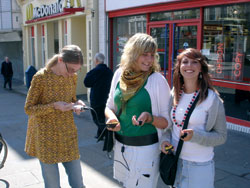 Hear the word “community” and what comes to mind is a cloying picture of clasped hands or multihued, smiling children. The word smacks of meaningless, feel-good phrases about commitment. This image of “cuddly community,” as its termed by artist, educator, and activist Christian Nold, is impotent and non-threatening; engaging it involves no real concessions or consequences.”Real communities tend to have many issues both externally and internally,” says Nold. “They don’t tend to follow the corporate image of an Asian, a European, a black person, and an American holding hands, smiling.”