Castratii

Castratii: Dream (Pop) in the Dark

This story first appeared in Chromatic: The Crossroads of Color and Music. Order your copy today.
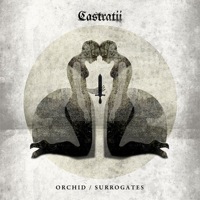
Castratii: Telling of the BeesCastratii: Telling of the Bees (Speak ‘n’ Spell, 7/3/10)

Castratii: “Orchid”

[audio:https://alarm-magazine.com/wp-content/uploads/2012/02/Orchid.mp3|titles=Castratii: “Orchid”]

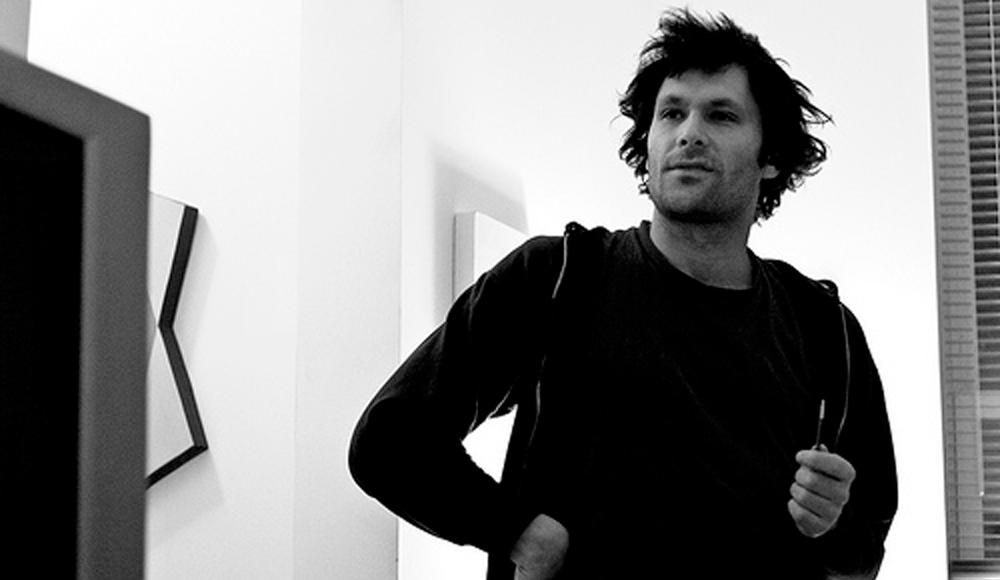
Cloaked in darkness, the Australian electro-ambient trio known as Castratii exerts a mysterious gravitational pull. Together, “spiritual brothers” Beauvais Cassidy and Jonathan Wilson — along with new addition Liela Moss — create an ethereal, otherworldly sound. For the group, darkness is the antithesis of information overload caused by technology. “People are definitely more interested in not knowing right now, particularly as everything is so easily found online,” Wilson says. And for many fans, Castratii’s allure lies in its mysterious movements; by revealing little, the band invites speculation.

Based in rural New South Wales, an hour and a half outside Sydney, Castratii draws inspiration from the untamed environment of the deep, dark bush. “Australia is beautiful and haunted and scary as fuck, and we want our music to be its soundtrack,” Wilson says. The band formed in 2007, when Cassidy and Wilson, both 30, were going through personal crises. “The project was born from sheer desperation and our limits being tested,” Wilson explains. One was physically ill and the other lost and confused. “We found each other in this sound,” he continues. “It was something we had to do to find a way out of the depths.”

Cassidy and Wilson’s first gigs were performances for friends in their lodge. Surrounded by spooky yet comforting sounds of night animals and insects, the band felt at home. “The remote nature of the space, and given [that] ideas appear when light is limited, it made sense for us to play completely in the dark,” Wilson says. “It was like playing to the things that had inspired the music in the first place.”


Hospitality

Pop Addict: Hospitality’s Hospitality

Every other Thursday, Pop Addict presents infectious tunes from contemporary musicians across indie rock, pop, folk, electronica, and more.

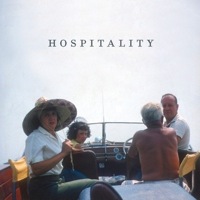
Hospitality: HospitalityHospitality: Hospitality (Merge, 1/31/12)

Hospitality: “Friends of Friends”

[audio:https://alarm-magazine.com/wp-content/uploads/2012/02/Hospitality-Friends-Of-Friends.mp3|titles=Hospitality: “Friends Of Friends”]

When Brooklyn’s Hospitality surfaced in 2008 with a six-song EP produced by Karl Blau, there was, naturally, immediate blogosphere buzz surrounding the band. Its poppy, minimalist sensibility catered to the indie-pop avenues it was exploring. The songs were spirited, displaying immense capability and promise. With that potential and talent came a signing to Merge Records and the band’s proper debut LP (produced by Shane Stoneback), which revives several songs from the EP while adding a few more, just for good measure.

From the moment that the album starts, there is something very warm and welcoming about the arrangement and composition. Album opener “Eighth Avenue” starts with acoustic strumming and persistent, steady drumming, immediately calling to mind early Belle and Sebastian work. The song builds gradually, integrating keyboards, harmonies, feedback, and percussive ornamentation, but it never strays far from its sunny-day feel. It is a laid-back indie-pop treasure that is sure to give first-time listeners a reason to give the rest of the album a chance. And once that happens, you’re roped in for the duration of the record.

Al Burian

Zine Scene: Al Burian’s Burn Collector

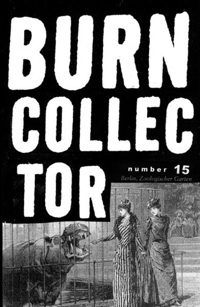
Al Burian: Burn Collector #15Al Burian: Burn Collector #15 (Microcosm Publishing, 3/1/11)

For a purported personal zine, Al Burian’s Burn Collector is strangely outward-looking. His philosophical musings on expat culture, life in Berlin, punk rock, and other topics are based on his own experiences, but they aren’t just stories. Burian raises plenty of questions without answering them, putting his reader in a position to consider these everyday ideas in a new light. His essays are a fine counterpoint to the legions of navel-gazing zinesters that populate the perzine genre in that they aren’t meant to chronicle his life, but instead connect it with larger social and existential problems.