M83

Pop Addict: M83’s Hurry Up, We’re Dreaming

Every Thursday, Pop Addict presents infectious tunes from contemporary musicians across indie rock, pop, folk, electronica, and more.

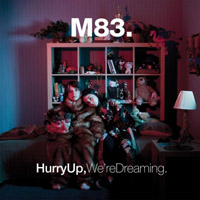
M83: Hurry Up, We're DreamingM83Hurry Up, We’re Dreaming (Mute, 10/18/11)


M83: “Midnight City”

[audio:https://alarm-magazine.com/wp-content/uploads/2011/10/02-Midnight-City.mp3|titles=M83: “Midnight City”]

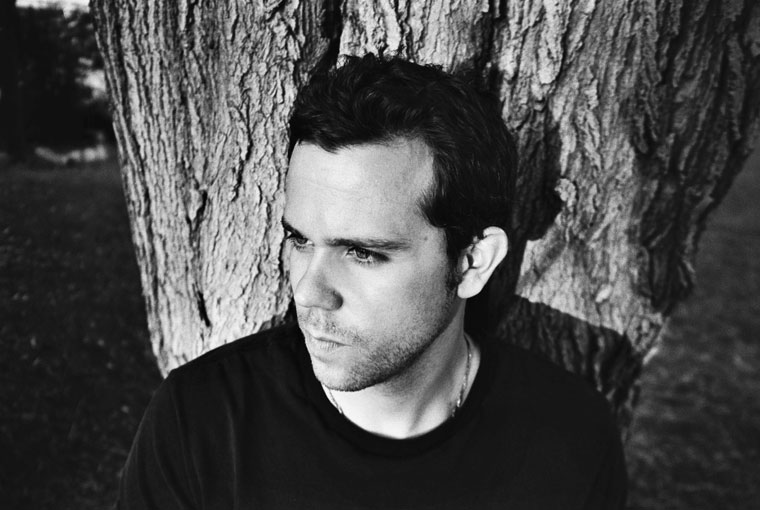
We live in an increasingly digital age. In this new era, certain elements associated with music have taken a hit: packaging, album artwork, tracks strategically placed on side A or B of a record, the creative complexities that go into double albums — basically, anything that made putting out a record as much of an artistic statement as a musical one. M83, however, is bent on keeping that aesthetic alive.

Of course, in order to do this, Anthony Gonzalez, the front-man for the French electro-pop outfit, had to create an album that actually mattered. He had to make an album that would transcend genre and time period, one that would eclipse the mass amounts of other records released this year. He had to put something out that was over the top, epic, anthemic — and so M83 did just that.

Morrow vs. Hajduch

Morrow vs. Hajduch: Justice’s Audio, Video, Disco

Scott Morrow is ALARM’s music editor. Patrick Hajduch is a very important lawyer. Each week they debate the merits of a different album.

Justice: Audio, Video, DiscoJustice: Audio, Video, Disco (Ed Banger, 10/25/11)

Hajduch: When Justice emerged in 2007 with , it signaled the logical end of Daft Punk‘s arena-house takeover. Chunky Ratatat riffs and absurdly compressed samples, all blown out as loud as possible — it was a tacky 4/4 onslaught that just made absolute sense. Justice was a “rock band” inasmuch as it was loud and had black leather jackets (and maybe lip-synched?) and made dance music that was very clearly informed by the trashier end of the rock-and-roll spectrum.

So now it’s 2011 and the sophomore release is out. For the talk about it being more baroque/prog/(insert term of choice denoting “wanky” here), it doesn’t sound like much else but another Justice album. Every song sounds at least a little bit like Night on Bald Mountain, and everything is loud. Also, “Ohio” pretty clearly samples the throb from NIN‘s “Closer,” which is a really good choice.

Morrow: I like the Fantasia / Modest Mussorgsky association, but I think that those baroque elements are more pronounced. “Horsepower” puts the classical influence front and center, basically from the start of the disc, “Ohio” uses harpsichord flourishes, and “Canon” sounds like, well, the type of composition for which it’s named.

Of course, you’re right that the whole thing still sounds like Justice with its French electro sound and disco bits. But I would echo that it sounds less like future-ized funk and party jams and more like Johann Sebastian Bach writing simplified dance-floor burners (for fame and women, of course).

Seymour Chwast: The Canterbury Tales

Zine Scene: The Canterbury Tales

Seymour Chwast: The Canterbury TalesSeymour ChwastThe Canterbury Tales (Bloomsbury, 8/30/11)

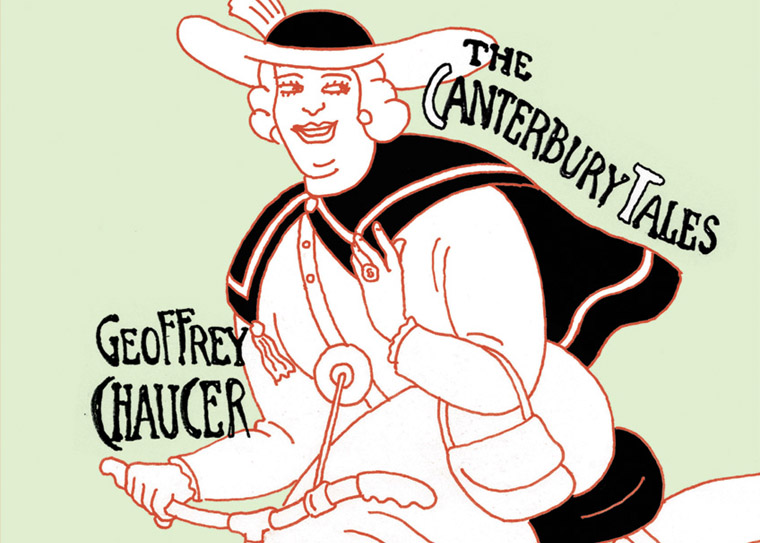
Even English nerds have trouble with The Canterbury Tales (and this coming from a self-proclaimed English nerd). Long, famously unfinished, written in archaic English, and littered with centuries-old humor, Chaucer’s classic is dense and difficult to understand. There is hope, however! Readers who struggled through Chaucer’s original will love Seymour Chwast’s witty and stylish take on the story. This new offering from the author of the Divine Comedy graphic novel revisits and revises the Middle English tome and makes it much more enjoyable.

The graphic-novel edition’s brevity gives it the edge over Chaucer, not to mention its translation into modern English. Pages of prose are reduced to captions and dry dialogue, while the action is streamlined and organized into neat panel formulations. “The Wife of Bath’s Prologue” is one of many short and to-the-point chapters in the story (“I met the first of my five husbands when I was twelve. They were mostly gentlemen. Didn’t God say to go forth and multiply?”).

Chwast condenses the narrative until he finds a sort of absurdist humor in minimalism — something that should be even funnier for fans of the original. However, first-time readers will be glad to know that even when the stories lose some of their impact (or sense) in translation, the essence of the story survives.

Phantogram

Concert Photos: Phantogram @ Metro (Chicago, IL)

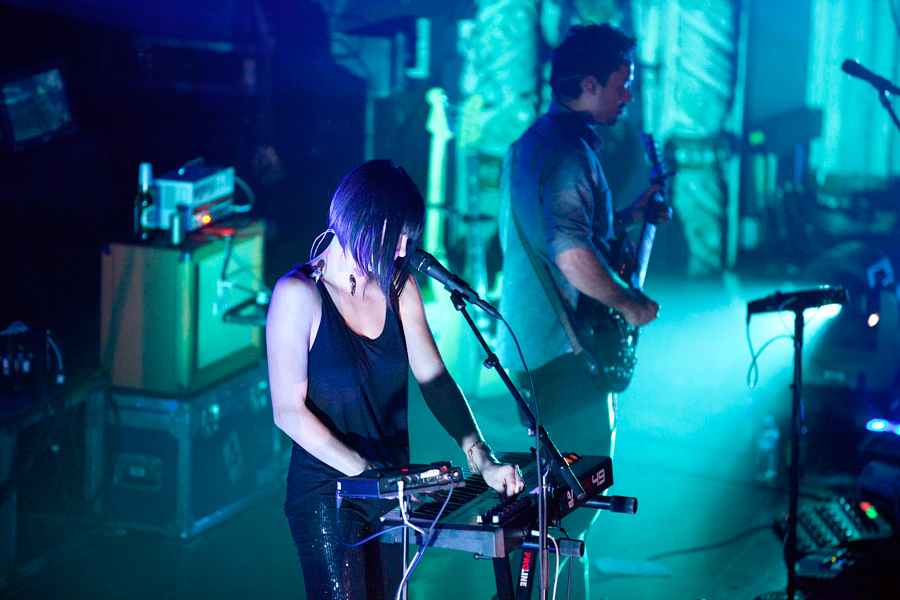
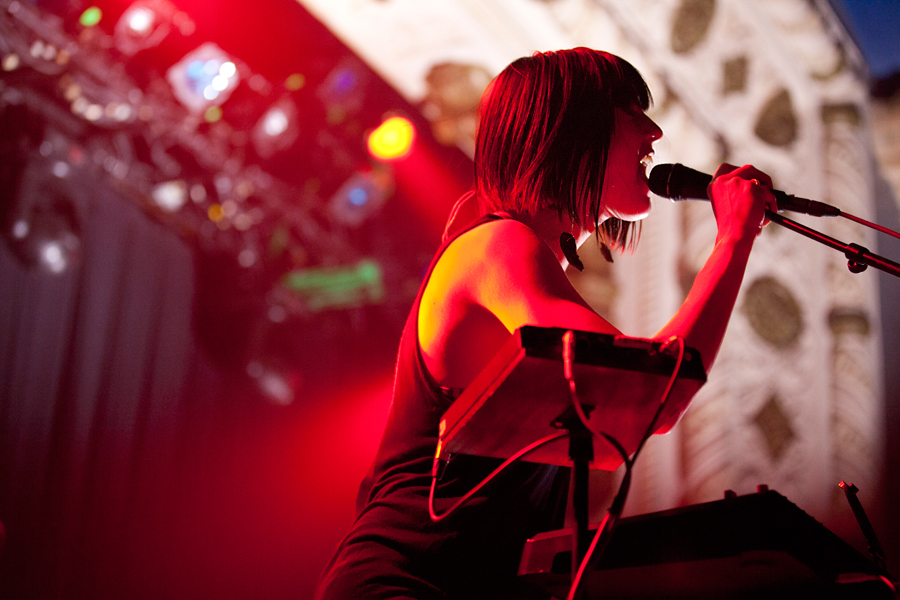
With a new six-song EP, Nightlife, due out November 1, New York-based indie-pop duo Phantogram is currently on a US tour with Reptar and Exit Music. Save for a pair of singles earlier this year, Nightlife is the first release for the band since its debut, Eyelid Movies, in 2010. It reprises the same successful synth-pop formula, with Josh Carter and Sarah Barthel trading vocals over electronic beats and layers of bubbling, shoegaze-y trip-hop. Photographer Elizabeth Gilmore captured these shots of the band during its recent stop at Metro in Chicago.

Phantogram

Kid Koala

Q&A: Kid Koala

Kid Koala: "Space Cadet"Kid Koala: Space Cadet (Ninja Tune, 10/25/11)

Kid Koala: “Main Title Theme”

[audio:https://alarm-magazine.com/wp-content/uploads/2011/10/01-Main-Title-Theme-Open-your-book.mp3|titles=Kid Koala: “Main Title Theme”]

Kid Koala, born Eric San, is a Chinese-Canadian DJ who garnered recognition for distinctive styles of scratch turntablism and comical samples after his Ninja Tune debut Carpel Tunnel Syndrome in 2000. Since that time, the turntablist has toured extensively with huge names such as Björk, Beastie Boys, and Radiohead, composed several original film scores, and collaborated on numerous musical projects, including his own Deltron 3030 and The Slew.

San also has quite a knack for illustration, which he employed for his 2003 album, Nufonia Must Fall, a 352-page romantic tragedy about a love-struck robot paired with a short, jazzy soundtrack. His new release, Space Cadet (out tomorrow), is his second graphic-novel/soundtrack pairing, and it sets aside the eccentric scratching and samples to revisit San’s classical piano training. Inspired by the birth of San’s daughter, Space Cadet is a 132-page graphic narrative and dulcet soundtrack that chronicles a young girl’s adventures through outer space with her robot guardian.

Here, ALARM speaks with San about his newest multimedia journey.

When and how did you develop your turntable techniques?

I try to develop it everyday! I do it by practicing and listening to as many different styles of music as I can. Turntables are chameleon-like. The challenge for me is to see if I can learn to play them tastefully in whatever style is required.

In this technological age, with so many DJs transitioning from analog to digital mixing, why have you stuck primarily with vinyl turntables?

I like the sound of vinyl crackle and record burn.

Can you explain your thought process when choosing sounds to mix into tracks?

I usually have a melody or a story in my mind when I record. I try to bend sound into the melody that I hear in my head. I have a record cutter in my studio, so I will record a single guitar note or keyboard tone and cut it to a custom record. Once it’s on the turntable, I can bend it into all the other notes of the scale.

What do you mean when you describe your search for inspiration as “audio-voyeurism”? How did your inspirations differ between past albums and Space Cadet?

I think whenever you listen to a recording, you are hearing a part of someone’s life. I like to imagine the life story around the whole recording and what compelled people to make such recordings. Space Cadet was completely inspired by the birth of my daughter. Most of it was recorded before while she was an infant. Each piece on the Space Cadet score is a kind of turntable lullaby for her.