Pharoahe Monch

Beats & Rhymes: Pharoahe Monch’s WAR (We Are Renegades)

Each Monday, Beats & Rhymes highlights a new and notable hip-hop, rap, DJ, or electronic record that embraces independent sensibilities.
Pharoahe Monch: We Are RenegadesPharoahe Monch: WAR (We Are Renegades) (Duck Down, 3/22/11)

Pharoahe Monch: “Black Hand Side”

[audio:https://alarm-magazine.com/wp-content/uploads/2011/03/Pharoahe_Monch_Black_Hand_Side.mp3|titles=Pharoahe Monch: “Black-Hand Side”]

Hip-hop veteran Pharoahe Monch is a lyrical force of nature, with an ability to rap complex rhymes with a muscular, rhythmic, and seemingly effortless flow. Even after 20 years, the quality of his three albums with Prince Poetry (as part of Organized Konfusion) hasn’t been diminished.

His first solo LP in 1999, Internal Affairs, was a more thug-inspired record that saw Monch making a significant move towards mainstream success, until legal battles over lead single “Simon Says” and its unlicensed Godzilla sample torpedoed its climb. Monch laid relatively low for the next eight years, releasing occasional singles and guest spots before presenting the soulful and inspired Desire in 2007.

Thankfully, he didn’t make the world wait as long for his third solo album, WAR (We Are Renegades).  On his latest, Monch doesn’t waste time reaffirming his place as one of the genre’s best, frequently employing polysyllabic rhymes and repeated sounds that move beyond the simple AABB end rhymes on which many rappers lean. He boasts about this on the standout “Evolve,” describing himself as “The anomaly / your mama nominated me phenomenal / I dominated without a six-pack abdominal.” The machine-gun assonance on display here is just one example of the lyrical complexity that Monch brings to the record.
Todd Reynolds

Q&A: Todd Reynolds

Todd Reynolds: OuterboroughTodd Reynolds: Outerborough (Innova, 3/29/11)

Todd Reynolds: “Transamerica”

[audio:https://alarm-magazine.com/wp-content/uploads/2011/03/Todd_Reynolds_Transamerica.mp3|titles=Todd Reynolds: “Transamerica”]

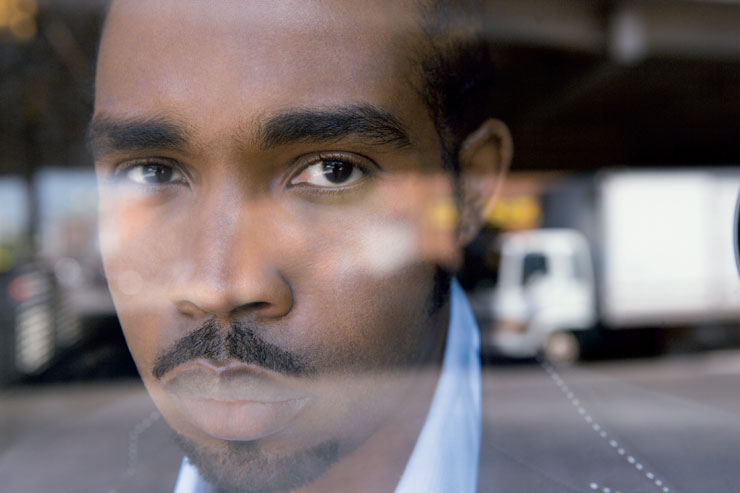
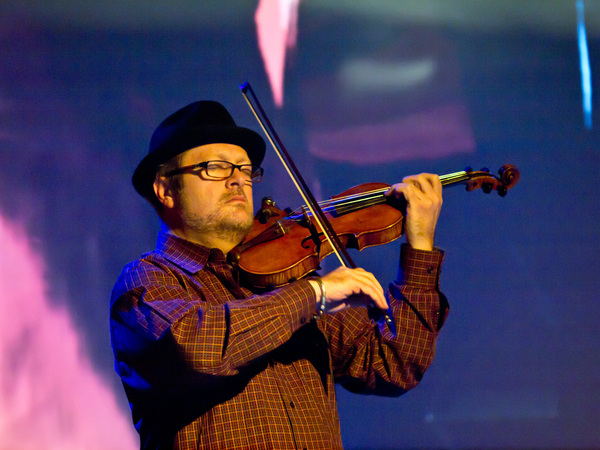
Violinist, composer, and producer Todd Reynolds has taken on an outsider, almost renegade role in music. Though he had a strict classical upbringing and a leading seat in an orchestra, Reynolds took his own path for a more personal means of expression, utilizing electronic loops and effects as a context for his dizzying improvisational instrumentation and emotive compositions.

His new double album, Outerborough, is an all-encompassing look at the myriad ways that the artist creates and collaborates, with one half of the album composed and performed entirely by Reynolds, and the other a disc of Reynolds performing pieces written by friends such as Nick Zammuto and Paul de Jong of The Books, Michael Gordon, David Lang, Phil Kline, and more.  Speaking with Reynolds from his home studio, the virtuoso experimentalist shares his passion for music and explains why he choose the path that he did.

What was your musical upbringing?

Well, I’ve been playing the violin since the age of four. Around high school, I ended up studying with the late, great violinist Jascha Heifetz, one of the most famous concert violinists who ever lived. I then went to music school back in Rochester, joined the Rochester Philharmonic, and was principle second violin. I then moved back to New York, went back to school, and began my career.

When did you start exploring electronics as part of your compositions?

Even from my earliest days of college, I was interested in the outside aspects and the avant-garde side of music. So I was pretty heavily invested in that music. But I started using electronics shortly after I left the orchestra. I went back to school to get a master’s degree, and it was in that time that I went in that direction.

Fredrik

Guest Spots: Fredrik’s exotic botanical tour

Fredrik: FloraFredrik: Flora (The Kora, 4/12/11)

Fredrik: “Rites of Spring”

[audio:https://alarm-magazine.com/wp-content/uploads/2011/04/rites-of-spring.mp3|titles=Fredrik: “Rites of Spring”]

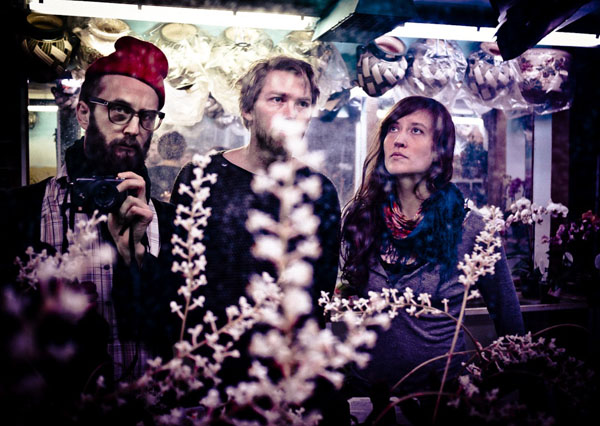
Fredrik is an experimental folk-pop band from Malmö, Sweden. On its newest album, the simply titled, elegantly crafted Flora, layers of organic instrumentation meet dark, thundering electronic elements. As its name alludes, it was recorded in the band’s own “ramshackle garden studio.” In this piece for ALARM, the band decided to go to an eccentric local flower store to explore the theme of its new album.

The Flowers of Flora
by Fredrik

As you may or may not know, we are Fredrik, a band from Sweden. We’ll be releasing our third album soon called Flora. People have started describing it as being about “things that grow.” Fair enough. But we always start out building on dream stuff and freewheeling association. So when a music journalist recently asked us, “Dewds, which flower is this record about?” we sort of didn’t agree.

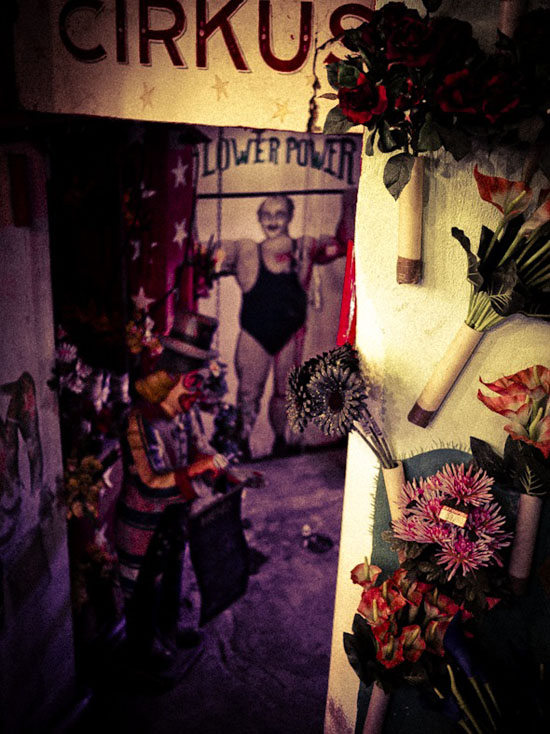
One of us said, “All of them.” The other person said, “The ones that grow in darkness.” Third person said, “It isn’t.” So, to settle the confusion, we figured that we’d find out for real. In our neighbourhood in Malmö, there’s a really old, strange flower store that literally has 10,000 varieties of exotic plants (allegedly the biggest collection in the whole of Europe). So we headed there, intent on finding the all-star representative of this album’s alt-conscious musical theme. Here’s the top 15.

The Flower Store

The store entrance

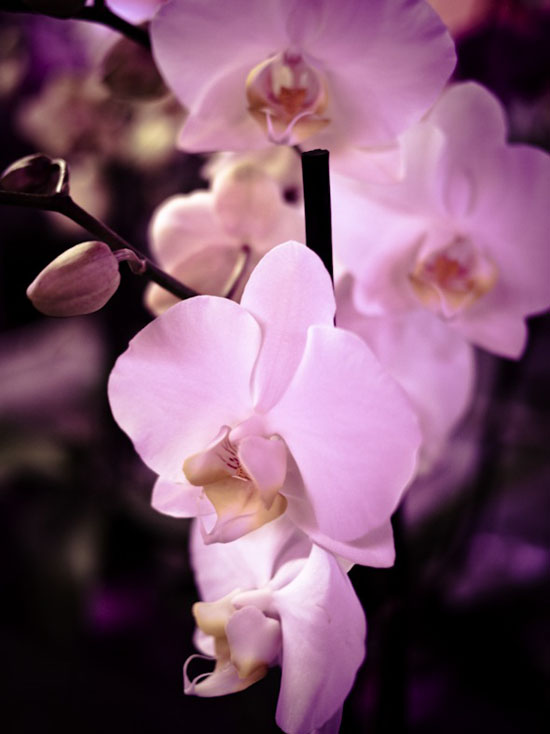
15. Some damn orchid

Some damn orchid

Okay. Thank you. Nice. But here’s one for the record: orchids are for wimps.

Young Widows

Q&A: Young Widows

Young Widows: In and Out of Youth and LightnessYoung Widows: In and Out of Youth and Lightness (Temporary Residence, 4/12/11)
Young Widows: “Future Heart”

[audio:https://alarm-magazine.com/wp-content/uploads/2011/03/young-widows-future-heart.mp3|titles=Young Widows: “Future Heart”]

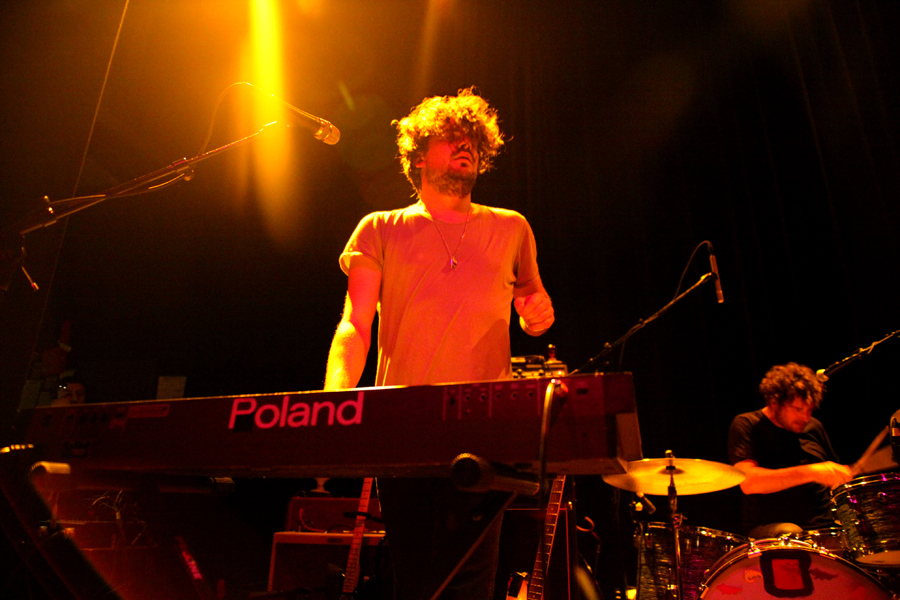
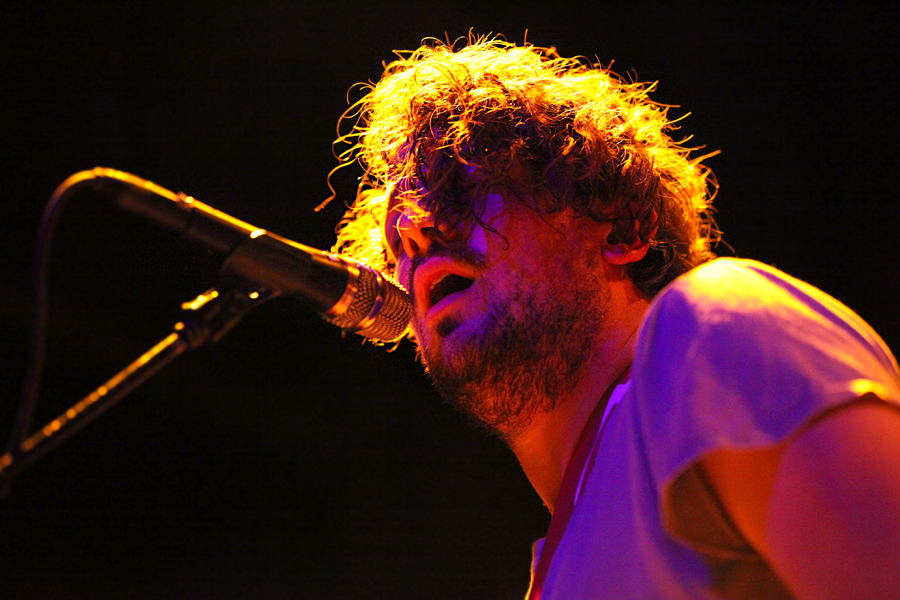
Though not a strict departure from previous material, the new album by post-hardcore outfit Young Widows displays a different phase of the band’s career. Calling it a “progression” might apply regressive traits to its first two albums, but In and Out of Youth and Lightness turns down the Cro-Magnon wallop and continues the band’s history of accomplished noise rock.

Its last album, Old Wounds, was a mostly live recording by Kurt Ballou (Converge, Coliseum, Pygmy Lush). In contrast, the new album was produced by the band and Kevin Ratterman (My Morning Jacket) at The Funeral Home in its hometown of Louisville, Kentucky. Guitarist and vocalist Evan Patterson joined us to answer a few questions about the band’s songwriting process and what bands people should check out.

How do you describe your music?

I don’t, but if you were a clerk at a gas station, I would tell you that we are a rock band. That’s as far as I can go.

On the new album, there’s a bit of a weird blues influence — less Jesus Lizard pummel and more of a Liars atmospheric vibe. What did you want to do new or different? What did you want to keep the same?

Music has to progress. There are no specific influences. The goal with this album was to find my voice, and that was wholeheartedly achieved. Lyrically, [they’re] the heaviest and most affective songs that I’ve created. Old blues has that same effect on me. It speaks to me. The bridge between modern rock music and blues is a short one, and it’s inevitable that those characteristics will be riding in the same vehicle to achieve certain goals.

PVT

Concert Photos: PVT & Warpaint @ Lincoln Hall (Chicago, IL)

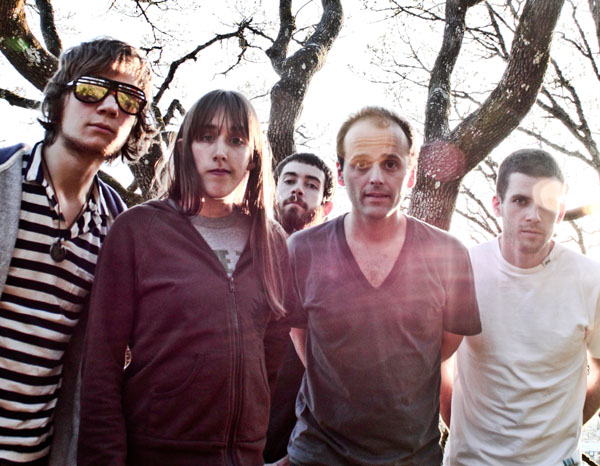
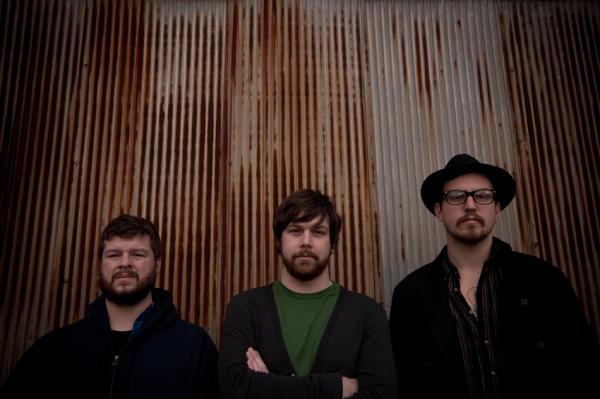
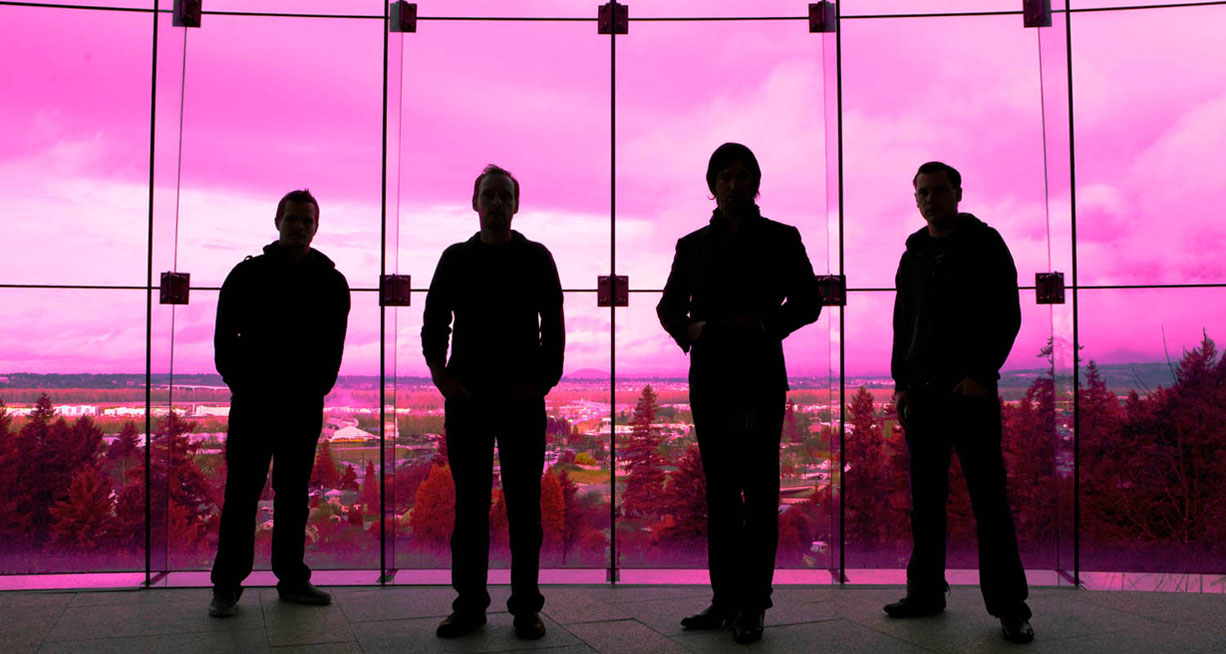
Australian experimental-rock band PVT (formerly Pivot) is comprised of brothers Laurence and Richard Pike and electronic artist Dave Miller. The trio’s latest album, Church With No Magic, was released last summer on Warp, and now the band is crisscrossing the US in an extensive tour with all-girl psych-rock quartet Warpaint. ALARM contributing photographer Elizabeth Gilmore attended the show and captured these shots of both bands under the glow of Chicago’s Lincoln Hall lights.

PVT

Amon Amarth

The Metal Examiner: Amon Amarth’s Surtur Rising

Every Friday, The Metal Examiner delves metal’s endless depths to present the genre’s most important and exciting albums.

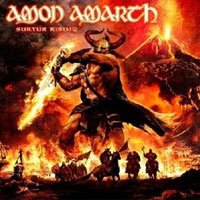
Amon Amarth: Surtur RisingAmon Amarth: Surtur Rising (Metal Blade, 3/28/11)

Amon Amarth: “War of the Gods”

[audio:https://alarm-magazine.com/wp-content/uploads/2011/04/Amon-Amarth-War-Of-The-Gods.mp3|titles=Amon Amarth: “War Of The Gods”]

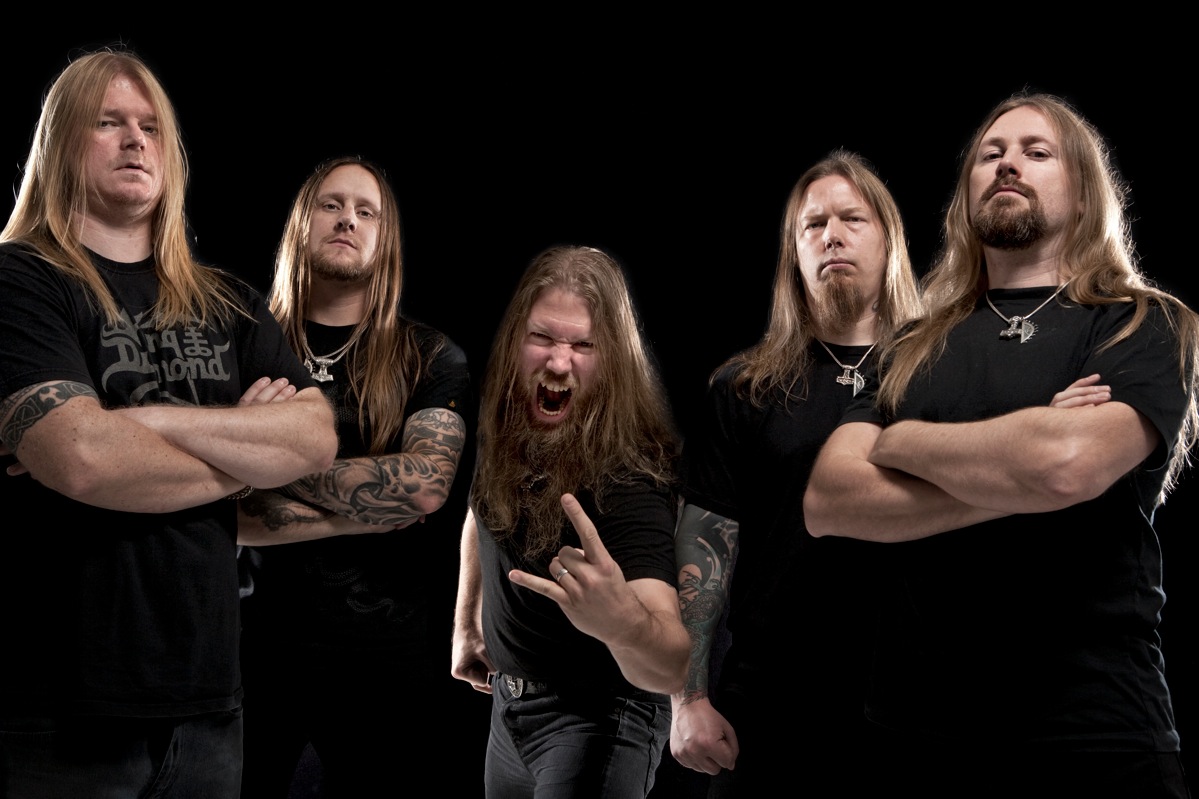
Some hard rock fuels itself on anxiety and doubt, some on an absolute clarity of purpose. Swedish five-piece Amon Amarth stays in the latter camp and pillages it too, playing melodic death-metal songs of fearlessness and bloodthirsty honor. The band’s rune-like fonts and references to Norse myths and Viking battles are only a sign of what’s at the core. Amon Amarth’s power comes not from all the references to Yggdrasil and Asgaard and the like, but from evoking times (real or mythical) in which civilization revolved around the momentous import of war.

Its seamless meld of death-metal agony and Iron Maiden-style songwriting sounds like the man you’d want at your side in combat. He doesn’t bother with a subtle range of emotions, because he’s occupied, from his soul to his skull collection, with a few very solid ones: loyalty, glory-lust, pitiless determination, and pride in his ability to slay.

Our blond-mammoth war buddies don’t much change their outlook on the new Surtur Rising, nor do they tire of it. As with previous triumphs — see Vs. The World from 2003 and Twilight Of The Thunder God from 2008 — the band’s eighth album is carnage writ absolute. Early into opening track “War of the Gods,” it becomes busy with 16th-note drums and tremolo-picked guitar notes, yet it never feels too busy for its own good. For as stately and epic as it is, there’s no fat, no drag of the ponderous. Once again, Amon Amarth is a model of the thrilling interlock that any band should have, whether savaging the underground or longing for shiny hard-rock hooks.