

Ripo

Ripo: Reclaiming the Streets with Art

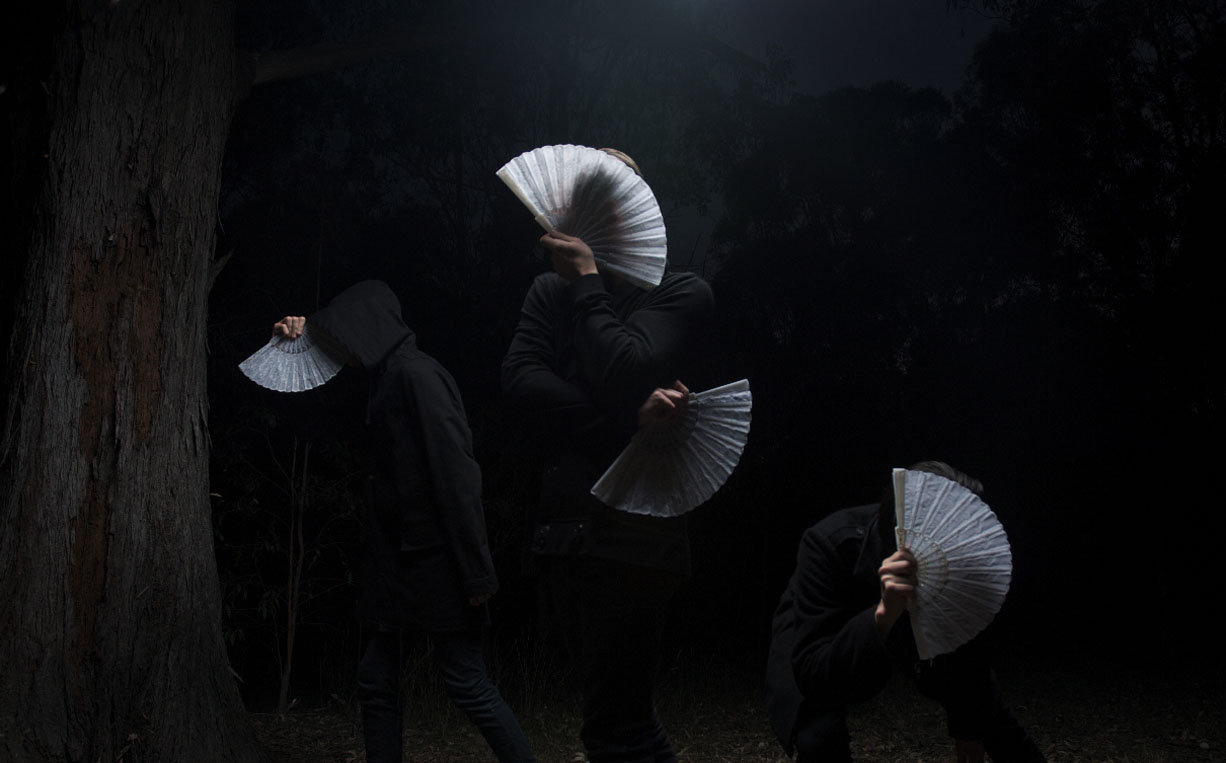
Expanding on traditional graffiti tropes, Barcelona-based multimedia artist Ripo draws heavily on elements of calligraphy and antique signage to reclaim public space and confront the public with its surroundings.

Moses Supposes

Moses Supposes: Why we steal music

Moses Avalon is one of the nation’s leading music-business consultants and artists’-rights advocates and is the author of a top-selling music business reference, Confessions of a Record Producer. More of his articles can be found at www.mosesavalon.com.

You don’t have to scratch your head too much to recall that Jim Carrey or [Arnold] Schwarzenegger got about $25 million to perform in their movies, or to remember the $280 million that it cost to make Titanic. I’d like you to ask yourself a question: why in the hell do you know these facts? They are not important to your day-to-day survival, yet they are part of common pop-culture knowledge.

Now ask yourself this: how much did Eminem’s last four albums cost? What about how much it cost to market and promote U2’s integrations into the iPod? What? No answer? The reason you have no idea is because whenever you learn how much an actor is getting paid, it’s not a fact that was uncovered by hard-nosed investigative journalism. It’s in a press release. The film industry wants everyone to know that it’s costing them a truckload of cash to entertain you, the public.

Over the last 60 years, while the movie industry has been investing millions a year in educating us about their costs, the record companies have not invested dime-one on this area. They have not taught us music’s cash value.

You probably don’t even realize it, but one important reason you don’t feel easily comfortable sneaking into a blockbuster movie is because subconsciously you figure, “It’s only nine bucks, what the heck, they spent $100 million to make it.”


La Sera

Pop Addict: La Sera’s La Sera

Every Thursday, Pop Addict presents infectious tunes from contemporary musicians across indie rock, pop, folk, electronica, and more.

La Sera: La SeraLa Sera: La Sera (Hardly Art, 2/15/10)

La Sera: “Devils Hearts Grow Gold”

[audio:https://alarm-magazine.com/wp-content/uploads/2011/02/LS_DevilsHeartsGrowGold.mp3|titles=La Sera: “Devils Hearts Grow Gold”]

Fans of the noisy, riotous punk delivered by Brooklyn-based band Vivian Girls will find that La Sera — the solo project of bassist Katy “Kickball Katy” Goodman — explores decidedly softer terrain. More ’50s-era pop than riot grrrl, Goodman’s eponymous debut as La Sera exudes ethereal lushness.

Known primarily for her high-pitched backing vocals on Vivian Girls’ records, Goodman takes this opportunity to showcase a sweet singing voice through layered, heavenly vocals set to simple, clean guitar strumming. The result is a charming, dream-pop response to the hot buzz of Vivian Girls’ records. And though the songs began as simple guitar-and-tambourine demos, with the help of Brady Hall (director of Vivian Girls’ videos “Moped Girls” and “When I’m Gone”) Goodman was able to flesh the material out into tempered harmonies and celestial choral arrangements.

Dub Sonata

World in Stereo: Dub Sonata’s Nights in Cuba

Each week, World in Stereo examines classic and modern world music while striving for a greater appreciation of other cultures.

Dub Sonata: Nights in Cuba (Illest Rated, 12/14/10)

Dub Sonata: “Cubana”

[audio:https://alarm-magazine.com/wp-content/uploads/2011/02/03-Cubana.mp3|titles=Dub Sonata: Cubana]

On Nights in Cuba, the music of Florida’s southerly neighbor receives a proper second-hand re-imagining from New York-based producer Dub Sonata.  Released late last year, the record is an ambitious 19-track instrumental voyage through the island’s tremendous musical tradition — a heritage that some attest is the richest in the world.

And if there’s one thing that listeners realize after first spin, it’s that the record gives the argument justice.  Though at the heart of Cuban music are styles we’ve come to associate with the Latin sound, Dub Sonata lays down funky foundations — everything from hip-hop break beats to drum and bass — that make for a seamless integration of musical cultures.

The United States’ trade embargo against Cuba has made it quite difficult for Americans to travel there.  Flights direct from the United States to Cuba are nonexistent — and though Americans can officially travel there, it’s actually illegal to purchase anything.  During a small window of time, Dub Sonata traveled to Cuba via the Cayman Islands without any expectations of bringing anything back.

The impromptu trip proved to be the beginning of Nights in Cuba, as the producer met locals who pointed him to the shop where he would spend two days digging through thousands of old, mostly unplayable records.  Salvaging over 100 LPs and 45s combined, he shipped the records back to New York.

Morrow vs. Hajduch

Morrow vs. Hajduch: Cex’s Evargreaz EP

Scott Morrow is ALARM’s music editor. Patrick Hajduch is a very important lawyer. Each week they debate the merits of a different album.

Cex: EvargreazCex: Evargreaz casette EP (Automation, 12/7/10)

Cex: “Ily”
[audio:https://alarm-magazine.com/wp-content/uploads/2011/02/Cex_Ily.mp3|titles=Cex: “Ily”]

Morrow: Rjyan Claybrook Kidwell has already spent more than a dozen years recording as Cex, his prolific electronic/IDM project.  Begun in his teenage years, the music has been intellectual yet inconsistent, jumping from guitar-topped glitch beats to nasally, half-sung vocals and raps.

Regardless of the vocals, which some view as a distraction, Kidwell has always made great music.  Whether it’s the purely electronic beginnings of 2000 album Role Model or the acoustically infused 2003 album Being Ridden, Cex has channeled the best of pioneering labels like Warp and Planet Mu.

Evargreaz is a four-track EP that was released in December.  (We’d note that it’s in advance of another full-length album, but he’s already since released another EP [Megamuse] that’s a preview of said full-length on Tigerbeat6 [Tiny Creature].)  It backs away from some of the dance elements of Bataille Royale, his 2009 album, instead offering more ambient IDM with overlapping time signatures and a solid blend of timbres.