P.O.S

P.O.S: Hip-Hop Innovation, Punk-Rock Disposition

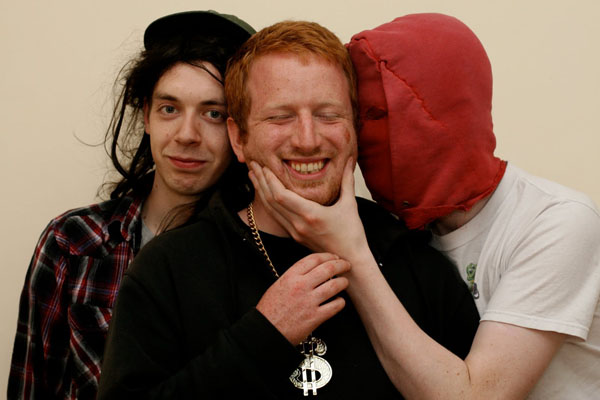
Minneapolis rapper P.O.S takes political and social issues head-on from an “everyman” point of view. His critical eye and grounded personality come naturally — a product of his modest, Midwestern upbringing.

Tim Hecker

Guest Spots: Tim Hecker on the loudest instruments in history

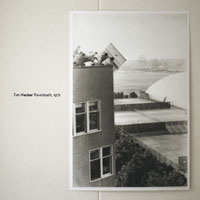
Tim Hecker: Ravedeath, 1972Tim Hecker: Ravedeath, 1972 (Kranky, 2/14/11)

Tim Hecker: “Hatred of Music I”

[audio:https://alarm-magazine.com/wp-content/uploads/2011/01/Hatred_of_Music_I.mp3|titles=Tim Hecker: “Hatred of Music I”]

Experimental electronic musician Tim Hecker recorded his forthcoming album, Ravedeath, 1972, over the course of one day, using a pipe organ in a church in Reykjavik, Iceland. As with the majority of Hecker’s work, the record was shaped by computer-based post-production tweaking and editing (with engineering help from Icelandic jack-of-all-trades Ben Frost). His ambient soundscapes comprise ever-changing layers of noise and melody, building toward monolithic sonic density and hemmed in by meticulous attention to detail.

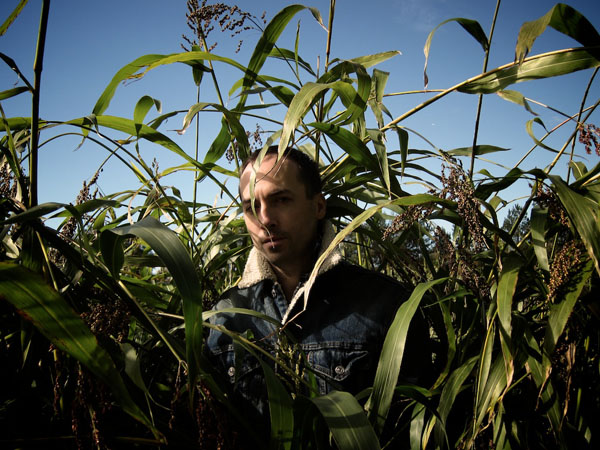
In addition to making music, Hecker also studied the cultural history of urban noise in North America at McGill University in Montreal (where he now teaches a course called “Sound Culture”), making him the perfect candidate to expound on important moments in thunderous aural innovation.

Sam Amidon

Concert Photos: Sam Amidon @ Schubas (Chicago, IL)

For our final installment in coverage of the Tomorrow Never Knows festival, we present photos from traditional folk revivalist Sam Amidon‘s recent headlining show at Schubas.

With support from Once‘s Marketa Irglova and Minneapolis-based pop artist Jeremy Messersmith, the Vermont-born songwriter played tracks from his fourth solo album, I See the Sign (Bedroom Community, 4/13/10), which was recorded and produced by Valgeir Sigurðsson (Björk, CocoRosie, Ben Frost) and features contributions from Nico Muhly and Beth Orton. Check out Sam Amidon in action with photos taken by ALARM contributors Sanchez + Kitahara.

Sam Amidon

Julianna Barwick

Q&A: Julianna Barwick

Julianna Barwick: The Magic PlaceJulianna Barwick: The Magic Place (Asthmatic Kitty, 2/22/11)

Julianna Barwick: “The Magic Place”

[audio:https://alarm-magazine.com/wp-content/uploads/2011/01/julianna_barwick_-_the_magic_place_-_the_magic_place.mp3|titles=Julianna Barwick: “The Magic Place”]

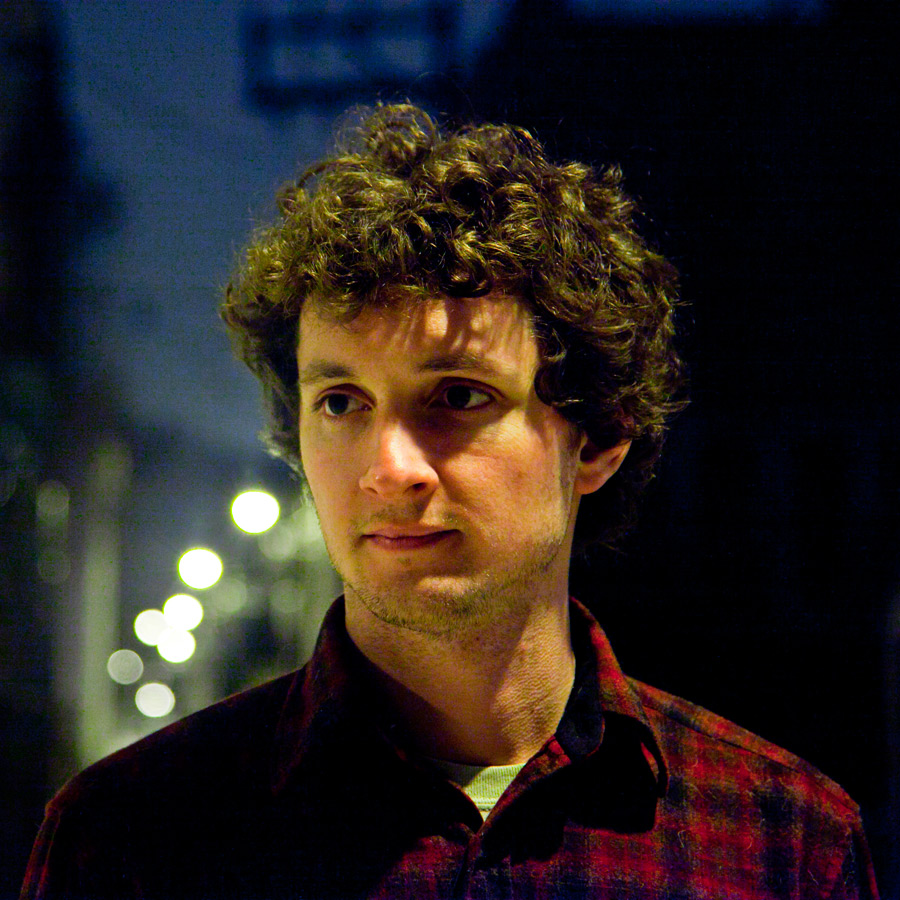
Since her self-released album Sanguine in 2006, Julianna Barwick has been experimenting with the human voice to create loop-based compositions that turn the concept of a cappella into something completely new and uncharted. Contributor Jeff Terich discusses these atypical methods with Barwick, in addition to how her music is informed by collaboration and personal memories, as she readies the release of her new album, The Magic Place.

The Magic Place has some additional instrumentation, compared to your previous release, Florine. What led you to decide to add some of these extra elements?

I was excited about incorporating some more instrumentation into this record, and when I had the opportunity to use a friend’s space, filled with lots of fun instruments to use, it made it easier to experiment. I especially could not resist the grand piano, which shows up tons on the new record.

Do you find it more challenging to write songs from limited sources? Or is there more liberation in writing vocal-only compositions?

For me, the music that is all vocal is very easy and intuitive for me — it’s when I’m adding instrumentation that it becomes challenging, trying to make the sounds from the instruments fit with the vocals. Making the vocal loops is all done on the spot, so there’s no real pressure that I feel when doing that at all.

When you write songs, how does the process typically begin? Do you ever start with a different instrument and then translate to voice?

Ninety-five percent of the time I’m starting with a vocal loop I’ve made, and building on top. But there are exceptions; for instance, “Unt1,” on Sanguine, started with a guitar line. On the new record there are a couple that started with an instrument; for instance, “Vow” starts with piano and “Bob in Your Gait” starts with guitar. There’s also some stripped-down / non-loop vocalizing on this record, which is new.

Freddie Gibbs

Concert Photos: Freddie Gibbs, Shad, Rita J @ Metro (Chicago, IL)

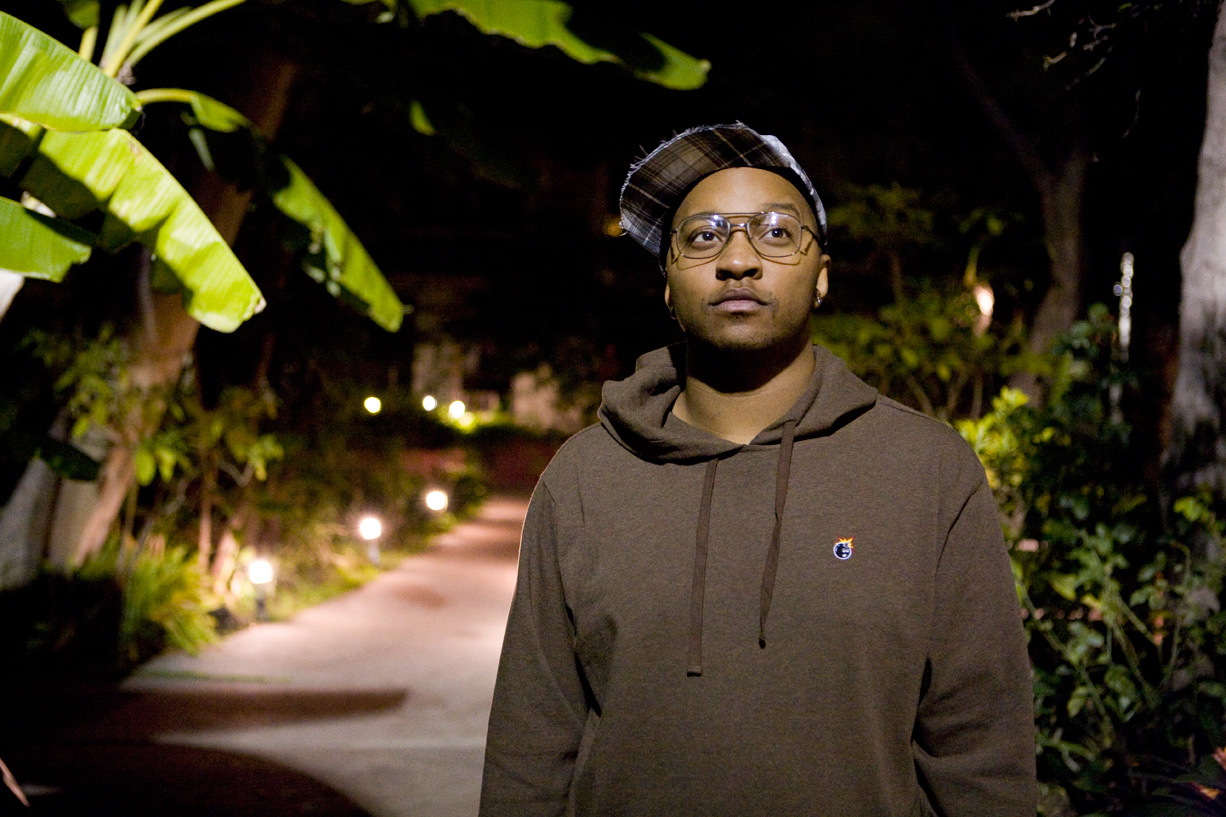
Gary, Indiana’s gangster-rap phenom Freddie Gibbs, Canadian indie rapper Shad, and Chicago-based ALARM favorite Rita J joined forces for a recent show at Metro in Chicago. The trio of hip-hop performances was part of the annual Tomorrow Never Knows festival hosted by Schubas, Lincoln Hall, and, as of this year, Metro. (See ALARM’s TNK coverage of Twin Shadow and The Helio Sequence.) And below, take a gander at the lovely shots that photographer Logan M. Futej captured images of all three lyrical luminaries.

Rita J

Theologian

The Metal Examiner: Theologian’s The Further I Get From Your Star, The Less Light I Feel On My Face

Theologian: The Further I Get From Your Star, The Less Light I Feel On My FaceTheologian: The Further I Get From Your Star, The Less Light I Feel On My Face (Crucial Blast, 11/9/10)

Theologian: “Zero”

[audio:https://alarm-magazine.com/wp-content/uploads/2011/01/Theologian_Zero.mp3|titles=Theologian: “Zero”]

Though the title paints a grim-enough picture, the actual contents of The Further I Get From Your Star, The Less Light I Feel On My Face, the debut from Lee Bartow’s Theologian project, use conventional metal misery as merely a springboard. The ends form the expected stew of claustrophobic suffering, but the means show Bartow to be a most cunning doom practitioner.