Phantogram

Pop Addict: Phantogram’s Nightlife EP

Every other Thursday, Pop Addict presents infectious tunes from contemporary musicians across indie rock, pop, folk, electronica, and more.
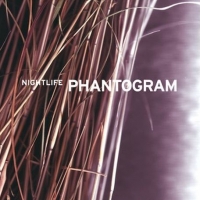
Phantogram: NightlifePhantogram: Nightlife EP (Barsuk, 11/1/11)

Phantogram: “Don’t Move”

[audio:https://alarm-magazine.com/wp-content/uploads/2011/10/Phantogram_Dont_Move.mp3|titles=Phantogram: “Don’t Move”]

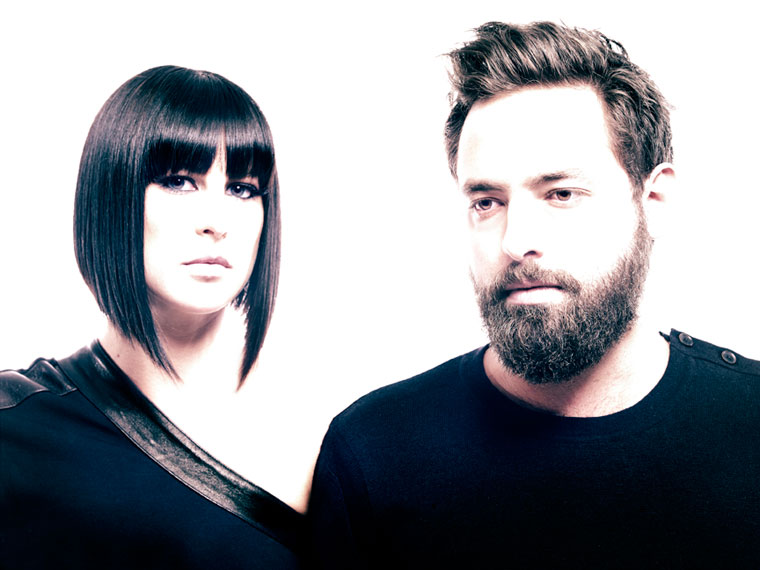
In 2010, the electronic-pop duo Phantogram burst on the scene with its impressive debut offering, Eyelid Movies. The duo, comprised of Josh Carter and Sarah Barthel, brought a fresh perspective to the indie scene, showcasing an album that was both elusive and grounded at the same time — simultaneously experimental and catchy. It was so well received, in fact, that Carter and Barthel were able to quit their day jobs and tour relentlessly in support of the album. Alternating between vocal duties, Barthel and Carter concocted an assortment of beat-heavy drum loops, ornamental guitar work, bipolar synthesizers and samples, and two-headed harmonies. Phantogram was one of the best new acts of year. And so the question remained, as it does with every notable debut act: could they follow it up?

With the six-song Nightlife EP, Phantogram builds on what made Eyelid Movies such an achievement in saturated digital pop. Yet again harboring a swath of soundscapes and sonic concoctions, Phantogram has constructed a record that fleshes out its strengths. Between Carter’s guitar work, Barthel’s keyboard work, and both of their vocal and sampling duties, the duo has positioned itself as one of indie’s most beloved new entities.

Jason Martin: Papercutter #17

Zine Scene: Papercutter #17

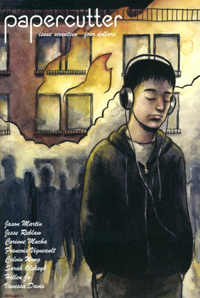
Jason Martin: Papercutter #17Jason Martin: Papercutter #17 (Tugboat, 2011)

There are plenty of prose and poetry journals in the world — we profiled one just a few weeks ago — but what about a comics journal? Award-winning anthology series Papercutter is just such a publication; this ongoing series is “dedicated to showcasing the best young, underexposed, and emerging comic-book artists.” Published quarterly by Tugboat Press in slim black-and-white volumes, the Portland-based zine has just released its 17th issue of original comics stories.

Jason Martin provides the seven autobiographical stories for this issue, each illustrated by a different artist. Using a different artist for each story seems a bit unorthodox, but the effect is rewarding; a cohesive thread of thought runs through the book, but the art shifts in style and medium with each artist. Each story takes on a slightly different tone depending on the type of art used in it. Stories set earlier in Martin’s childhood have looser, more cartoon-ish art, while the college-era tales use tight pen-and-ink strokes.

Martin opens with a childhood story of his own beginnings in comic-book writing, in the affecting “The Weeper.” He connects his early days of writing Batman stories with a personal “self-control” problem at school. Martin’s shifts between his real life and the life of his character, “The Weeper,” are well handled, as is his realization that he roots for his “villainous” analogue more than for Batman. He writes about missing out on childhood mainstay Nickelodeon, and about seeing a pretty girl singing in her car at a streetlight. The latter story, “Streetlight,” is only six panels long, but the dynamic art really pops, and a relatable sense of after-school camaraderie says everything about this memory for Martin.

Morrow vs. Hajduch

Morrow vs. Hajduch: Polinski’s Labyrinths

Scott Morrow is ALARM’s music editor. Patrick Hajduch is a very important lawyer. Each week they debate the merits of a different album.

Polinski: LabyrinthsPolinski: Labyrinths (Monotreme, 11/8/11)

Polinski: “Tangents”

[audio:https://alarm-magazine.com/wp-content/uploads/2011/11/Polinski_Tangents.mp3|titles=Polinski: “Tangents”]

Morrow: Following its first three albums, England’s 65daysofstatic took a step away from its experimental beginnings — when it collided instrumental post-rock with glitchy breakbeats — to craft an album that was more a fusion of rock and dance. (Think of Holy Fuck, only moodier and with more of the band’s core elements.) Now 65DOS computer dude Paul Wolinski has headed straight to the dance floor for his solo debut. It’s purportedly inspired by the darker synth sounds of 1970s and ’80s sci-fi flicks, but even though there is the occasional John Carpenter moment, Labyrinths is much more clubby than scary.

Hajduch: I like how the promo MP3s came all in ALL CAPS and look like the music of a CRAZY PERSON. The tunes are a bit busy and energetic for the Carpenter comparison – they’re more like a Rustie that’s been toned down. Opener “1985-QUEST” sounds exactly like the title. You could watch VHS end-credits to it, or maybe do some aerobics. If anything, the clubby bombast here sounds a lot like Gatekeeper, which does the “horror disco” thing about as well as anyone could hope to.

Darkness Falls

Q&A: Darkness Falls

Darkness Falls: Alive in UsDarkness Falls: Alive in Us (HFN Music, 10/25/11)

Darkness Falls: “Noise on the Line”

[audio:https://alarm-magazine.com/wp-content/uploads/2011/10/Darkness_Falls_Noise_on_the_Line.mp3|titles=Darkness Falls: “Noise on the Line”]

Earlier this year, Danish dream-pop duo Darkness Falls released its first self-titled EP, a promising four-track introduction of haunting melodies and guitar tremolos. It succinctly showcased the duo’s style while unmistakably bearing the fingerprints of electronic producer Anders Trentemøller, who produced the EP.

Now the same creative forces have captivated us again with Alive in Us, Darkness Falls’ full-length debut album. Keyboardist/vocalist Josephine Philip and guitarist/bassist Ina Lindgreen playfully yet skillfully combine psychedelics, ’60s guitar twang, surf-rock reverb, pulsing synth pop, and hypnotic harmonies to produce a dynamic sound that’s both eerie and infectious — and uniquely their own.

The album twists and turns from beginning to end, teasing us with deliciously sweet, melancholic vocals like those featured in the acoustic dreamscape of “Noise on the Line,” before traversing into the creepy-cool B-movie-inspired “Hey!” Alive in Us demands multiple listens; when revisited, each track begins to unravel, each time revealing something new.

ALARM spoke with the duo about how it developed its sound and what lies ahead for Darkness Falls.

How did you begin making music together?

We have known each other for 10 years now. We used to play together in an all-girl Ska band called Favelachic. After Favelachic disbanded in 2005, Ina started at The National Film School of Denmark, and Josephine put out an album with singer Ane Trolle under the name of JaConfetti.

As we were sitting one day together, sipping white wine and talking about music — our likes and dislikes — we suddenly found that we were both curious about the same thing within music. We decided on the spot that we would start working together again. This was back in 2009.

How are each of you involved in the songwriting process?

Usually, Josephine writes the lyrics and creates the compositions, and Ina brings guitar themes and ideas. We finish the songwriting and final tune together. We have different temperaments, and we challenge and complement each other.

As a whole, Alive in Us maintains a haunting and psychedelic quality throughout, but “Hey!” stands out with a B-movie sort of vibe.  Was film an inspiration at all when writing this album? Are there any specific genres or filmmakers that have influenced you?

Film has definitely been an inspiration. We like the aesthetics of old black-and-white movies, and we have been watching a lot of old noir and Hitchcock movies. We both really enjoy movies from favorites filmmakers like David Lynch, James Jarmusch, Wim Wenders, Quentin Tarantino, and Gus Van Sant. Their movies all had an important impact while making the album.

Slugabed

The Groove Seeker: Slugabed’s Sun Too Bright Turn it Off

On a biweekly basis, The Groove Seeker goes in search of killer grooves across rock, funk, hip hop, soul, electronic music, jazz, fusion, and more.

Slugabed: Sun Too Bright Turn it Off EP (Ninja Tune, 11/8/11)

Slugabed: “Sun Too Bright Turn it Off”

[audio:https://alarm-magazine.com/wp-content/uploads/2011/11/01-Sun-Too-Bright-Turn-It-Off.mp3|titles=Slugabed: Sun Too Bright Turn It Off]

It’s appropriate to say that London is a breeding ground of zeitgeist-changing musical talent when it comes to the instrumental beat scene. In the city, you’ll find dubstep, grime, and drum-‘n’-bass nights every day of the week. And like many other UK cities, including Brighton and Bristol, London is on the forefront of current styles and approaches to beat-making. It’s also the residence of DJ and producer Slugabed, whose new EP, Sun Too Bright Turn it Off, sounds like the East London and Los Angeles beat scenes coming into one.

The new release marks back-to-back EPs for Slugabed, a.k.a. Greg Feldwick, as he makes a strong and steady buildup to his debut album for Ninja Tune. Parallel to the Moonbeam Rider EP, Sun Too Bright Turn it Off builds a spacey, multi-dimensional soundscape filled with chopped-and-screwed break beats, wobbly bass drops, and wild 8-bit synths. But the two releases are unquestionably different in terms of spacing and pacing. Sun Too Bright is a substantially more down-tempo affair, which in fact better establishes Feldwick’s ability as a composer.

Morrow vs. Hajduch

Morrow vs. Hajduch: Oneohtrix Point Never’s Replica

Scott Morrow is ALARM’s music editor. Patrick Hajduch is a very important lawyer. Each week they debate the merits of a different album.

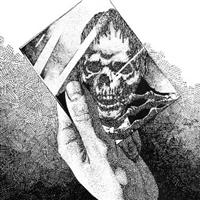
Oneohtrix Point Never: ReplicaOneohtrix Point Never: Replica (Software / Mexican Summer, 11/8/11)

Oneohtrix Point Never: “Replica”

[audio:https://alarm-magazine.com/wp-content/uploads/2011/11/Oneohtrix_Point_Never_Replica.mp3|titles=Oneohtrix Point Never: “Replica”]

Hajduch: One-man experimental electronic project Oneohtrix Point Never is discussed in the same breath with all the other John Carpenter / kosmische / synthesizer music that has garnered attention the past few years (most notably, the oft-mentioned-here Emeralds). However, during that time, the Oneohtrix sound has wandered further and further from the reservation, incorporating blistering noise and looped samples. Replica continues this trend, layering the mournful polysynth washes with odd, clipped samples from television commercials.

Morrow: We talked about Daniel Lopatin‘s collaborative Ford & Lopatin (with Joel Ford of Tigercity) back in June, but that was a much more ’80s-influenced and synth-heavy album. Replica is very ambient, and though it may seem shapeless at first, there are all sorts of sampled melodies percolating beneath the surface. To those unaccustomed to this style, the album can come off as inaccessible or difficult to appreciate, but if you spend some time and immerse yourself in the waves of sound, it should grow on you. The subtlety of the music is best served with repeated listens.