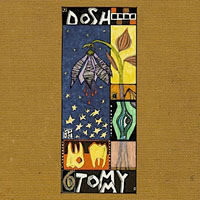
Dosh

Guest Spot: Dosh on the alchemy of instrumental music

Dosh: TommyDosh: Tommy (Anticon, 4/13/10)

Dosh: “Subtractions”

[audio:https://alarm-magazine.com/wp-content/uploads/2011/05/dosh-subtractions.mp3|titles=Dosh: “Subtractions”]

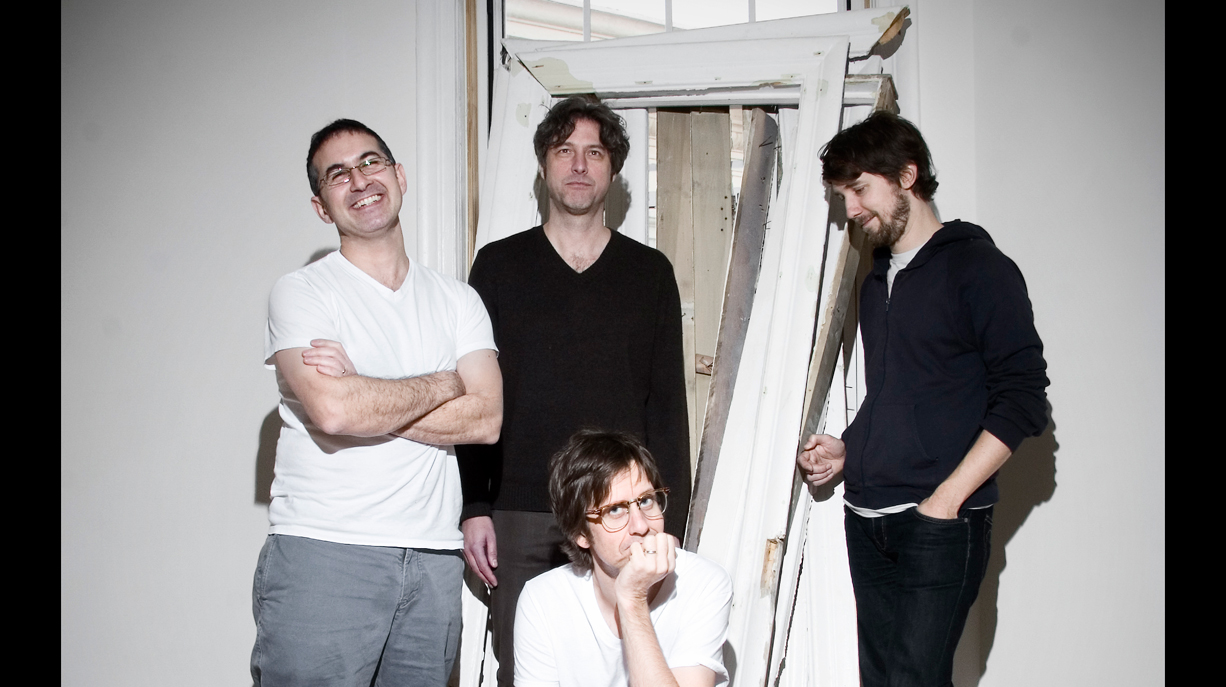
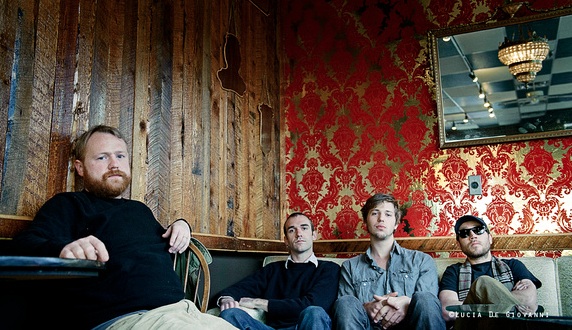
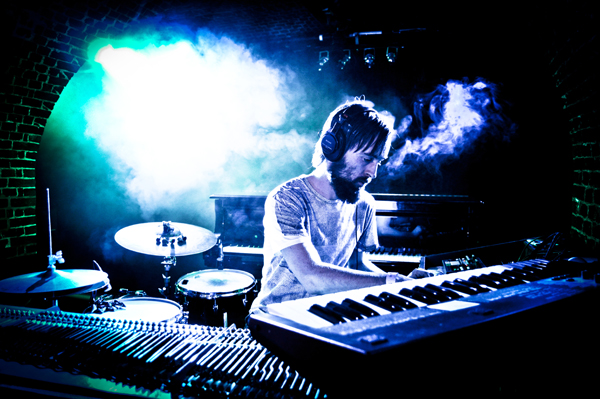
Percussionist and multi-instrumentalist Martin Dosh, better known as simply Dosh, is known both for his electronic-based solo venture as well as his work with Andrew Bird, with whom he’s toured and recorded. The instrumental track is Dosh’s specialty; “Simple Exercises,” which first appeared on Dosh’s 2004 release, Pure Trash, reappeared on Bird’s Armchair Apocrypha in 2007 as “Simple X” with an addition of lyrics. In the piece below, Dosh explains what drew him to instrumental music and how a few classic, lyric-less tracks continue to inspire his own music.

The Alchemy of Instrumental Music
by Dosh

I think my interest in music and sound really began when i was around nine or 10 years old; that is to say, that is when I really began LISTENING to music, to the ways instruments and voices worked together, trying to separate the sounds in my mind, trying to understand which sounds were being made by which instruments, and even what the people that played the music may have looked like. I can’t recall what the first song that really captured my imagination was, but it was likely by Devo or The Cars, maybe Billy Squier. I’ve always listened to the music first and digested the vocals and lyrics later. When I first discovered Jimi Hendrix and Led Zeppelin, I found the vocals to be distracting. I couldn’t understand why they were there; they seemed like an afterthought.

Once I started playing drums, when i was 15, that was all I really heard when I would listen to a song: the drums. And I played a little bit with some friends, but I didn’t truly discover the joy of volume until I went to college two years later.  I spent more time listening to music in my first two years than I spent doing anything else — usually as loud as possible.  I was lucky enough to have a few friends who had massive record collections, and I listened to everything.

Man Man

Q&A: Man Man

Man Man: Life FantasticMan Man: Life Fantastic (Anti-, 5/10/11)

Man Man: “Knuckle Down”

[audio:https://alarm-magazine.com/wp-content/uploads/2011/05/Man-Man-Knuckle-Down.mp3|titles=Man Man: “Knuckle Down”]

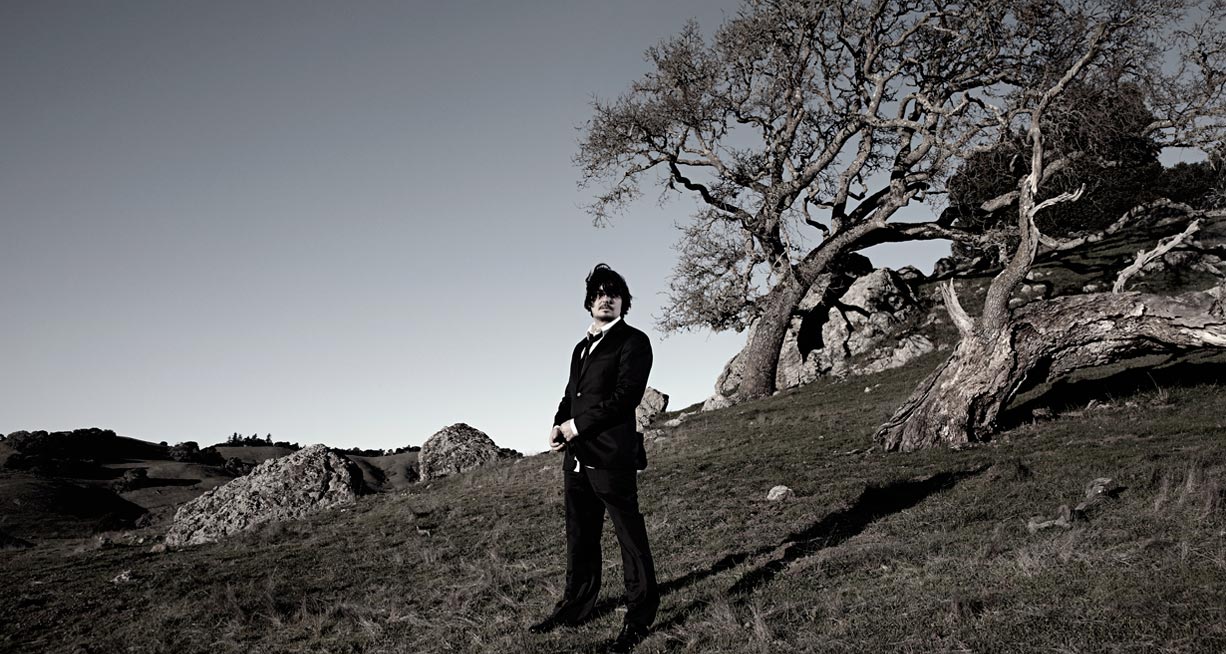
Oddball rock band Man Man has crafted its best album yet in Life Fantastic, a record that showcases the band’s finest songs with its strongest production to date. For the group, it was a significant and symbolic new direction, recording with producer Mike Mogis (Bright Eyes, Monsters of Rock) in Omaha, Nebraska. We got a chance to talk to frontman Ryan Kettner from the road and ask him about the sneaky shape that Life Fantastic took and the experience of working in a “real-deal, bona-fide studio.”

Let’s start with an easy one. What would you say to describe Man Man?

That’s the easy one? (Laughs) Exorcism.

That’s it?

That’s it. Exorcism.

What are you most excited for people to hear on Life Fantastic?

Just to hear the record. I’m real proud of this record. I think it’s our most deceptive record we’ve ever made. I think it’s our best record we’ve made, but I think it’s our most deceptive because the initial impression is, “Whoa, it sounds polished and different.” It’s sneaky because the production’s so good that you can lose sight that there’s a dark, dark center to this tasty treat.

What do you mean by that?

Our new album, it’s a grower. People who like our older stuff, but maybe are turned off by the production, really got to dig in, ’cause like I said, it’s a lot sneakier than any record we’ve done. It gives the impression that it’s tame, but it’s about as tame as sending your dog to obedience school because it bit off somebody’s face. It still might be in that dog to bite off someone else’s face. I wouldn’t keep it in a room with my infant daughter. Which, for the record, I don’t have.

How did working with producer Mike Mogis help shape this album?

Well, the band’s always been a balance of extremes: control and chaos, beautiful and ugly. I feel like Mogis really captured that. There are some songs on the record that are outright beautiful, but then when you realize the content of the song, it’s different. It kind of throws you off. And that’s a good thing.

RJD2

Concert Photos: RJD2 @ The Mid (Chicago, IL)

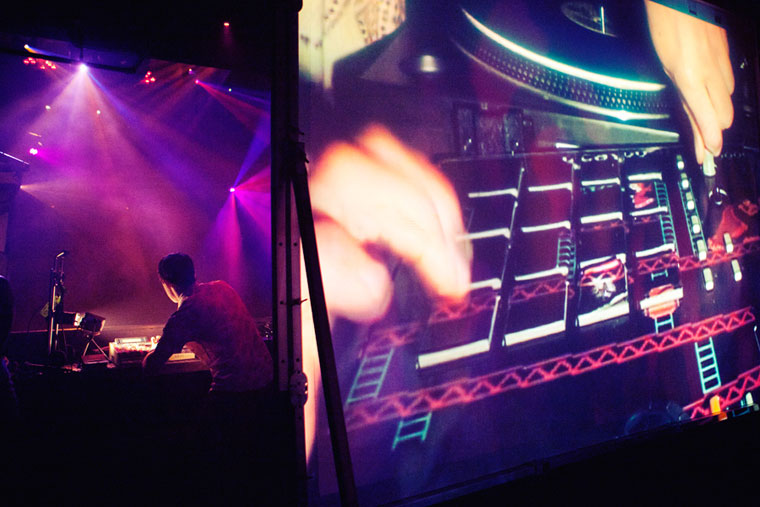
Crates of vinyl, four turntables, multiple DJs, a packed house — it was like something out the distant ’90s. The recent “Mayhem at The Mid” event, featuring headliner RJD2, had no shortage of scratch talent; DJ Intel, Big Once, BRC, Avi Sic, and RM Joint all took a turn at the tables. An impressive light show set off the party atmosphere, and a big projection screen onstage allowed the audience an up-close look at the DJs’ technical abilities. Photographer Jon Shaft went backstage to capture these images.

RJD2

Obits

Obits: Nonchalant Rock ‘n’ Roll

Chicago-based Obits has an impressive pedigree (Hot Snakes, Drive Like Jehu), but these days its members are just playing to have fun, hoping that people dig their “crappy rock band.”

Amon Tobin

Amon Tobin: An Electronic Pioneer’s “Field Work”

With his new album, DJ and electronic artist Amon Tobin has made the complete transition to using and manipulating sound sources that are styled after field recording. The material, often unrecognizable and shaped into rhythmic pulses, also comes with a new shape-shifting 3-D installation for his upcoming tour.

Mount Moriah

Pop Addict: Mount Moriah’s Mount Moriah

Every Thursday, Pop Addict presents infectious tunes from contemporary musicians across indie rock, pop, folk, electronica, and more.

Mount Moriah: Mount MoriahMount Moriah: Mount Moriah (Holidays for Quince, 4/12/11)

Mount Moriah: “Lament”

[audio:https://alarm-magazine.com/wp-content/uploads/2011/05/mountmoriah_lament.mp3|titles=Mount Moriah: “Lament”]

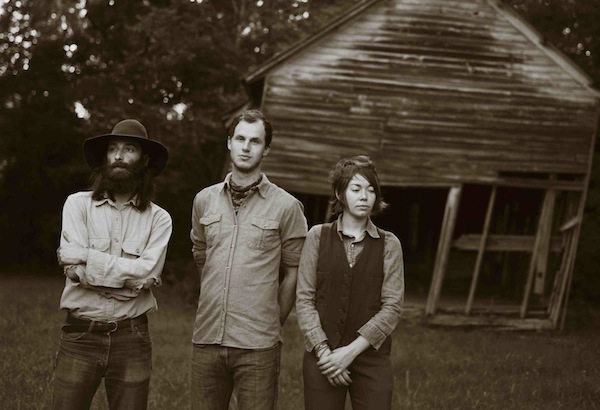
Back in 2005, Heather McEntire and Jenks Miller met while working at a record store in Chapel Hill, North Carolina. The two would delve into their own musical endeavors — McEntire partaking in the post-punk outfit Bellafea and Miller in the avant/psych-metal project Horseback. After the pair collaborated as Un Deux Trois on the Lovers EP in 2007, they decided to make their collaboration a full-time gig, and they formed Mount Moriah, releasing a debut EP, The Letting Go, last year.

It was soon obvious that Mount Moriah was a stark departure for McEntire and Miller, as they traded in their obscure, not-easily-defined credentials for stripped-down alt-country/folk music. And the duo’s knack for crafting simple (but not simplistic) classic tunes comes through loud and clear on Mount Moriah’s self-titled follow-up.

Morrow vs. Hajduch

Morrow vs. Hajduch: Venetian Snares’ Cubist Reggae

Scott Morrow is ALARM’s music editor. Patrick Hajduch is a very important lawyer. Each week they debate the merits of a different album.

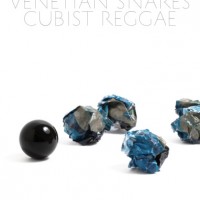
Venetian Snares: Cubist ReggaeVenetian Snares: Cubist Reggae (Planet Mu, 5/23/11)

Venetian Snares: “The Identification Circles Levitate”

[audio:https://alarm-magazine.com/wp-content/uploads/2011/05/Venetian_Snares_The_Identification_Circles_Levitate.mp3|titles=Venetian Snares: “The Identification Circles Levitate”]

Hajduch: Electronic surrealist Venetian Snares (a.k.a. Aaron Funk) returns with his zillionth release for Planet Mu.  Cubist Reggae has a title that gets right to the point: this is a four-track EP that deconstructs reggae samples down to a nervous, amorphous tangle of sound.  Largely free of the jungle brutalism common to Snares’ sound, Cubist Reggae favors a (relatively) slow burn, with lots of space to breathe (when that space is not being filled with deep-voiced threats of violence).

Morrow: You never know what to expect from a Snares release; it could be something that he’s never done or something that he’s done a bunch.  Thankfully, this falls in the former category, and it’s fun to hear what reggae and dub can become when in his hands.

Those deep-voiced rumblings make the first track much creepier than its otherwise benign (yet weird) structure would dictate.  But that’s about the end of the creepiness, and the next three songs — though a bit eerie at times — are a challenging IDM take on a tired genre.

Zinester's Guide to NYC

Zine Scene: Zinester’s Guide to NYC

Zinester's Guide to NYCAyun Halliday: Zinester’s Guide to NYC: The Last Wholly Analog Guide to NYC (Microcosm, 11/1/10)

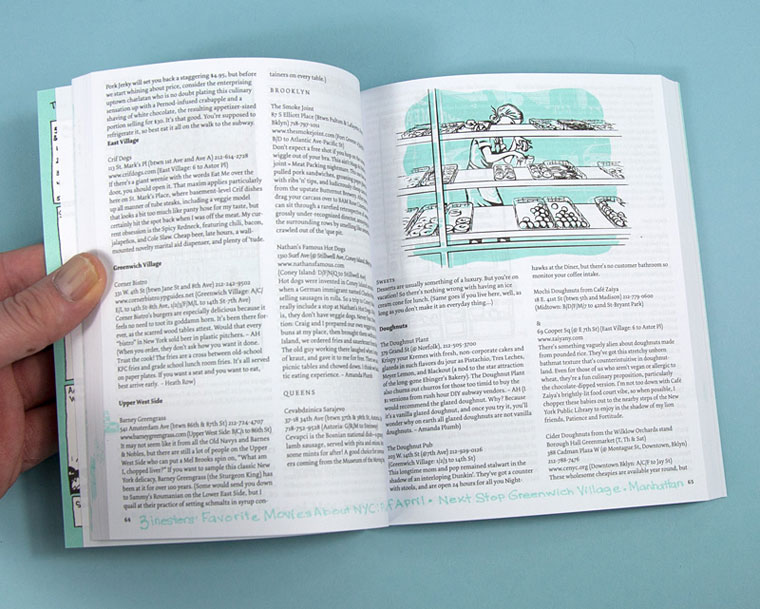
The Zinester’s Guide to NYC claims to be “the last wholly analog guide to NYC,” but more importantly, it’s a wonderful corrective to the Fodor’s and Frommer’s of the world.  Chock-full of secret spots, advice, and things to see and do and eat, Zinester’s Guide is truly like having a best friend (or several dozen of them with competing viewpoints) show you around their native boroughs.  Edited by Ayun Halliday (of East Village Inky fame) and created with comics, suggestions, and submissions from more than 50 other zine writers, Zinester’s Guide is an amazing amalgam of personal stories, rants and raves, and more.

Deeply familiar with where to go (and, more importantly, where not to), these natives know the city like no one else, as evidenced by a description of Art Bar in Greenwich Village: “This place is stellar.  It’s not a scene bar.  The wait staff is helpful and attentive.  The back room, complete with fireplace, feels like someone’s basement.  The Last Supper painting, featuring Jim Morrison as Jesus, is intriguing. – Heath Row.”  This book truly seems like it would help the novitiate find places and things to do that they never would otherwise.