Morrow vs. Hajduch

Morrow vs. Hajduch: Austra’s Feel It Break

Scott Morrow is ALARM’s music editor. Patrick Hajduch is a very important lawyer. Each week they debate the merits of a different album.

Austra: Feel It BreakAustra: Feel It Break (Domino, 5/17/11)
Austra: “Beat and the Pulse”

[audio:https://alarm-magazine.com/wp-content/uploads/2011/05/Austra_Beat_and_the_Pulse.mp3|titles=Austra: “Beat and the Pulse”]

Morrow: A DIY advocate from the Toronto underground, singer/multi-instrumentalist Katie Stelmanis is the force behind Austra, a new electro-pop trio that incorporates an operatic flare.  Stelmanis grew up learning the viola and piano while also singing in the Canadian Children’s Opera Chorus, and that vibrato vocal ability is what carries this Austra debut.

The musical complexity isn’t as pronounced here as it was on Stelmanis’ solo debut, Join Us, which preceded Feel It Break.  But both albums channel a moody yet melodic dance/electronic sound — a style that’s sure to draw comparisons to The Knife.

Alela Diane

Guest Playlist: Alela Diane’s songs to pack a suitcase to

Alela Diane: Wild DivineAlela Diane: Alela Diane & Wild Divine (Rough Trade, 4/5/11)

Alela Diane: “To Begin”

[audio:https://alarm-magazine.com/wp-content/uploads/2011/05/tobegin.mp3|titles=Alela Diane: “To Begin”]

On “Pieces of String,” a track from Alela Diane‘s 2004 record, The Pirate’s Gospel, she sings, “If I had one, I’d play this on piano.” Consider it wishful thinking. Whereas her first few albums, including the self-released Gospel and Forest Parade, are characterized by spare, plucked guitar and airy harmonies about simpler times, Alela Diane‘s newest, Alela Diane & Wild Divine, stretches its legs with a greater sonic palette and higher production value. Despite the warmth and homeliness of her folk tunes, Diane’s a troubadour, and she’s got the playlist to prove it.

Songs to Pack a Suitcase to, with Anticipation for the Highway
by Alela Diane

1.  Fairport Convention: “Farewell, Farewell”

A song of goodbye.

Concert Photos: John Vanderslice / Damien Jurado @ Lincoln Hall (Chicago, IL)

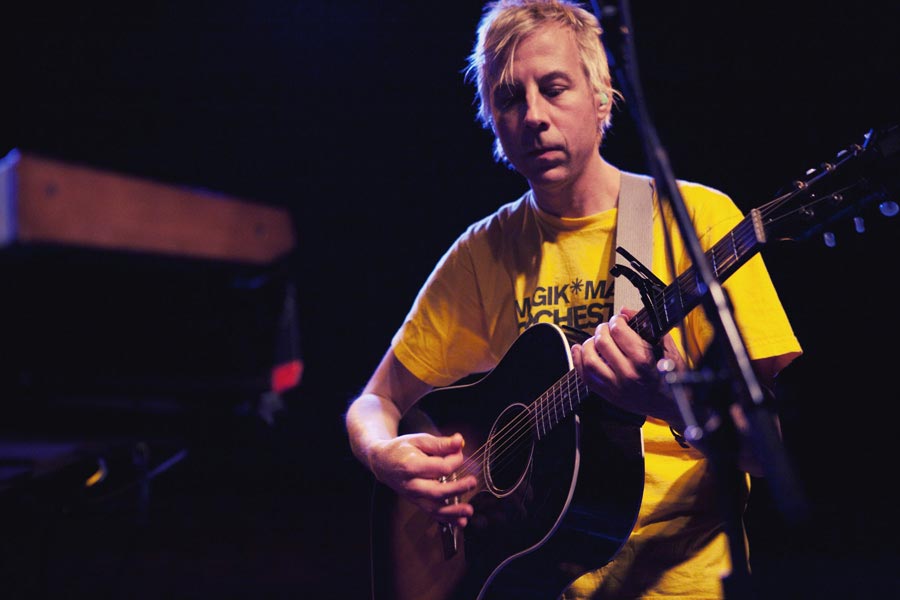
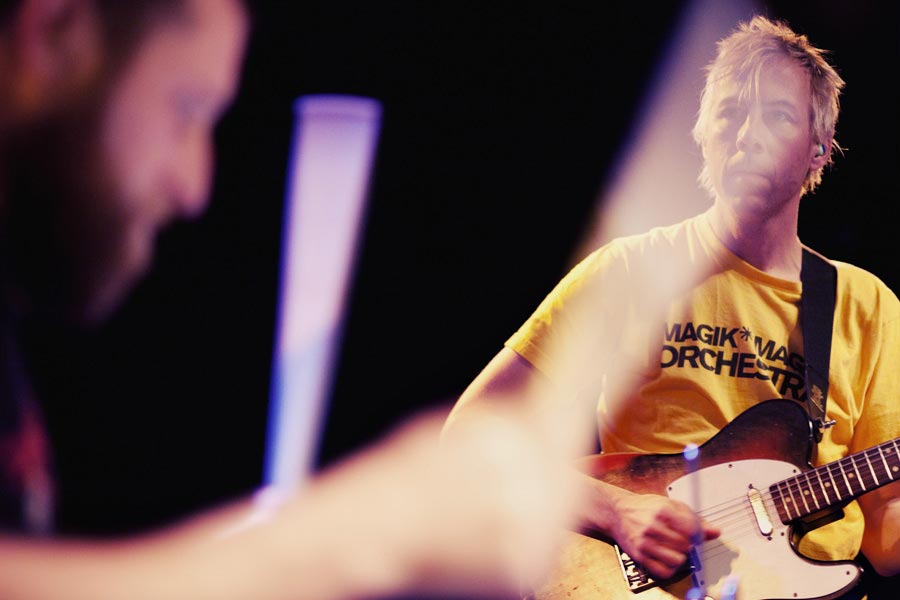
The newest entry into John Vanderslice‘s deep and undeniably remarkable catalog is White Wilderness, and it’s a record like no other he’s made before. It comprises nine new songs captured live over three days in a unique collaboration with the Magik*Magik Orchestra, a collective of classically trained musicians in the Bay Area led by artistic director Minna Choi.  Images below are from Vanderslice’s recent show with Damien Jurado at Lincoln Hall in Chicago. Photography by Jon Shaft.

John Vanderslice

True Soul: Deep Sounds From the Left of Stax Vol. 1

The Groove Seeker: True Soul: Deep Sounds From the Left of Stax, Volume 1

On a biweekly basis, The Groove Seeker goes in search of killer grooves across rock, funk, hip hop, soul, electronic music, jazz, fusion, and more.

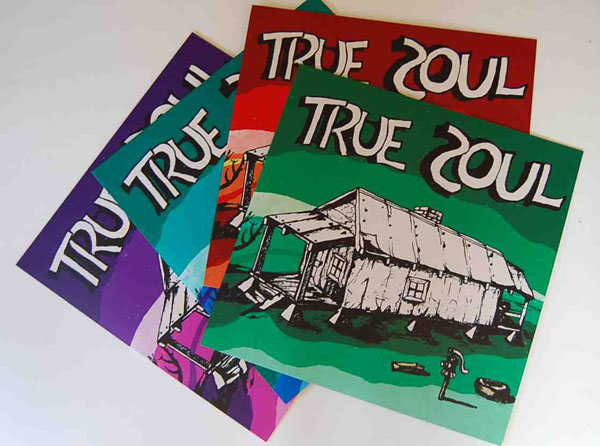
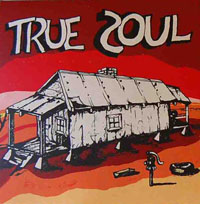
True Soul: Deep Sounds From the Left of Stax Vol. 1V/A: True Soul: Deep Sounds From the Left of Stax, Volume 1 (Now-Again, 5/17/11)
The Leaders: “(It’s a) Rat Race”

[audio:https://alarm-magazine.com/wp-content/uploads/2011/05/13-Its-a-Rat-Race.mp3|titles=The Leaders: “(It’s a) Rat Race”]

In the American soul and roots tradition, there are few stories more recognizable than the legend of Stax Records.  From the Staple Singers to Otis Redding and Sam and Dave to Wilson Pickett, and all the artists who pioneered and championed that “Stax” sound, the small Memphis, Tennessee record-shop-turned-record-label introduced the world to the irresistible funkiness of Southern soul music.

But from that golden era of soul and funk, there were and are always hardworking owners, musicians, and even whole scenes that go unnoticed.  This is the story of Mr. Lee Anthony and True Soul Records, the label that he started in Little Rock, Arkansas in 1968.  Waiting to be rediscovered on a new anthology released by Now-Again titled True Soul: Deep Sounds From the Left of Stax, the two-volume CD/DVD set is an enlightening journey offering a 28-track survey of the label’s rarest grooves.

Blue Sky Black Death

Beats & Rhymes: Blue Sky Black Death’s Noir

Each Monday, Beats & Rhymes highlights a new and notable hip-hop, rap, DJ, or electronic record that embraces independent sensibilities.

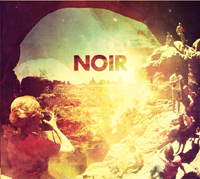
Blue Sky Black Death: NoirBlue Sky Black Death: Noir (Fake Four Inc., 4/26/11)

Blue Sky Black Death: “And Stars, Ringed”

[audio:https://alarm-magazine.com/wp-content/uploads/2011/05/03-And-Stars-Ringed.mp3|titles=Blue Sky Black Death: “And Stars Ringed”]

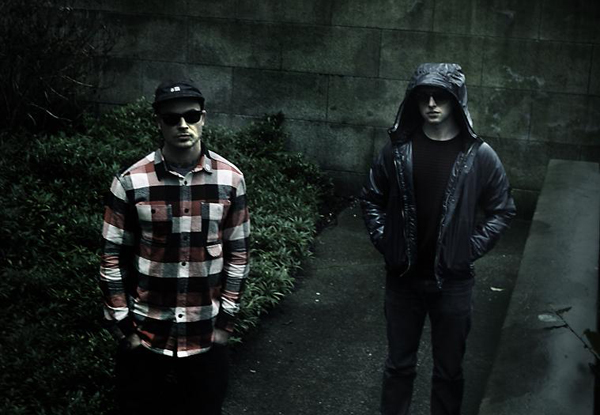
When one thinks of West Coast hip-hop production, the mind likely won’t rush to the kind of music made by San Francisco’s Blue Sky Black Death. And yet the duo of Young God (Ian Taggart) and Kingston (Kingston McGuire) has become a sought commodity for its production skills, having worked with members of Hieroglyphics, Non Phixion, Jedi Mind Tricks, and Wu-Tang Clan affiliates Hell Razah and Holocaust.

Though its most controversial release is likely The Evil Jeanius, which reportedly featured vocals from rapper Jean Grae without her knowledge or monetary compensation, the duo’s instrumental records have received tremendous critical accolades. BSBD returned in late April with Noir, an album of hazy instrumental beats that skirt the boundary between hip hop and electronica.

Nearly 80 percent of the record is composed of non-sampled instrumentation that’s largely influenced by shoegaze — an unusual muse for a DJ, to say the least. The tracks certainly show it. Many instrumental hip-hop records, even ones lauded by critics and beloved by fans, feature songs that repeat themselves over and over. This pattern provides a useful verse-chorus-verse structure when a rapper is involved, but when beats are allowed to break free, they can be so much more. BSBD understands this and presents tracks that evolve, build, and change as they go, with intensity rising and falling throughout, keeping the listener on his or her toes.

The Bad Plus

Guest Spots: The Bad Plus’ pinewood derby

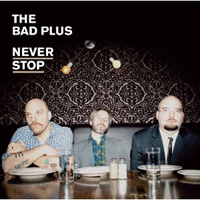
The Bad Plus: Never StopThe Bad Plus: Never Stop (E1, 9/14/10)

The Bad Plus: “My Friend Metatron”

[audio:https://alarm-magazine.com/wp-content/uploads/2010/09/The_Bad_Plus_My_Friend_Metatron.mp3|titles=The Bad Plus: “My Friend Metatron”]

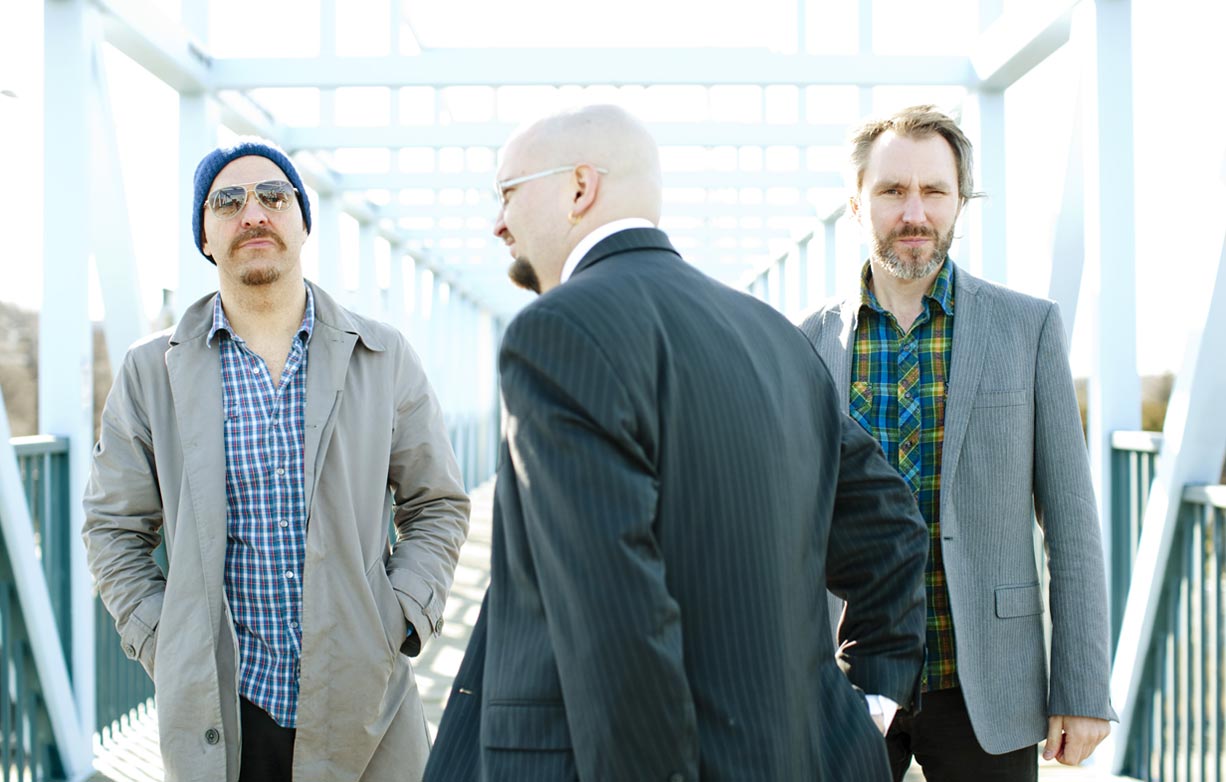
Jazz trio The Bad Plus has made a name for itself by reinterpreting popular rock songs and jazz standards in addition to hammering out energetic originals. Unlike its earlier albums, the band’s most recent full-length, Never Stop, consists entirely of Bad Plus compositions. Its unorthodox, avant-garde approach to creative endeavors can be traced back as far as grade school, as this story from drummer Dave King demonstrates.

The Pine Wood Derby
by Dave King of The Bad Plus

In the autumn of 1981, I participated in a Cub Scout event horizon called the Pinewood Derby. Little cars made of pine that had to be assembled from a kit by you alone, not you and your dad.

You were given a block of pine about the size of a walkie-talkie and wheels. You had to carve it in a shape that would allow the car to go fast down a track. You also had to paint it and detail it with racing stripes or personal flair concepts.

I believe there was a manual that was handed out to guide you in the possibly unfamiliar discipline of aerospace engineering. I didn’t read it because I don’t think it actually existed, and my dad refused to help me because he FOLLOWED THE RULES. I pleaded to my parents that I was sure kids were receiving help on the design and carving front because, like any awkward kid, you are aware that your peers that sort of “have it together” are receiving mysterious guidance and LOVE from many sources not as readily available to you. The Cub Scouts is actually an organization wholly devoted to shining a bright light on these deficiencies and dispensing the insecurity thusly.

The Kills

Concert Photos: The Kills @ The Vic (Chicago, IL)

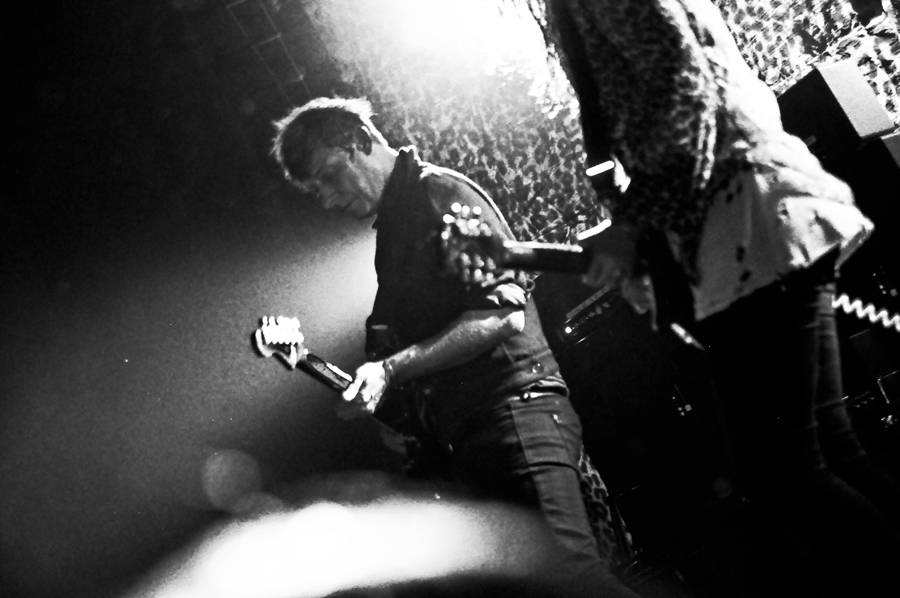
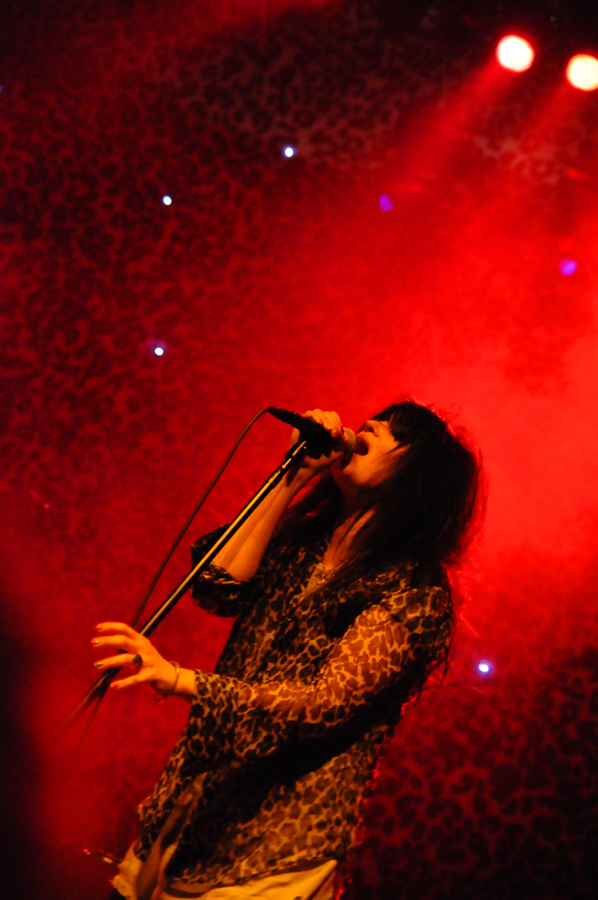
The most recent album from The Kills, a bluesy rock duo composed of vocalist Allison Mossheart and guitarist Jamie Hince, is subject of a glowing Pop Addict review and received a coveted This Week’s Best Albums selection. That album, Blood Pressures, spans from straight-up rock ‘n’ roll riffing to more down-tempo balladry with ease. And now, the duo is on the road, playing its lauded tunes to audiences all across the country. Contributing photographer Lauren Herrmann captured these shots at a recent show at The Vic in Chicago.

The Kills

Q&A: Other Lives

Other Lives: Tamer Animals (TBD, 5/10/11)

Other Lives: “For 12”

[audio:https://alarm-magazine.com/wp-content/uploads/2011/05/Other_Lives_For_12.mp3|titles=Other Lives: “For 12”]

Within the relaxed confines of Stillwater, Oklahoma, indie/chamber quintet Other Lives worked tirelessly for 14 months to craft and perfect its sophomore album. The finished product, Tamer Animals, is a delicate blend that balances orchestrated compositions with indie-folk arrangements. Interpretive vocals carry each track to the next, and minor-key melodies provide a peaceful backdrop throughout. Below, frontman Jesse Tabish elaborates on crafting Tamer Animals, its underlying theme of human relationships with nature, and his classical influences.

You used a more personal/private approach in producing Tamer Animals. How did this process alter the making of the album and, more importantly, the outcome?

The time constraint is the biggest thing that comes to my mind. Laying down a guitar track or vocal or whatever it may be in the studio, you have a limited amount of time to get it right. At home, we really tailored everything to the exact sound that we wanted, and if we didn’t know a sound, we had the luxury to search for it. So we spent a lot of time searching out not only new tones and sounds, but we also needed the time to find new approaches to songwriting. So it was a combination of those two that I felt we needed to take it in this direction.  The fact that we worked on it until we were happy with it…I can relax. And I had my hands in all aspects of it, so I very much enjoyed it.

Can you expound on the specifics of recording the album?

The initial idea for a lot of these songs came really quickly to me, sometimes in a day or a matter of hours, and I would do my own demo of it. Then the actual, proper recording came about, which took loads of time. It was a real process for every song; it was literally piece by piece, track by track. It was a lot of building, rather than a band going into a room and hashing out a tune. So it was building from the ground up.

Unlike the rest of the tracks, “Dark Horse” is devoid of guitar and bass, and it barely features piano. Why open the record this way?

I felt like [“Dark Horse”] was the first song where we were able to really get away from those core instruments, and in some way, it’s my ideal song off the record because it is free from the path. It was one of the earlier songs, and it was the first song that we did. After that, we realized that we could do the record on our own.