Foals

Concert Photos: Foals @ Metro (Chicago, IL)

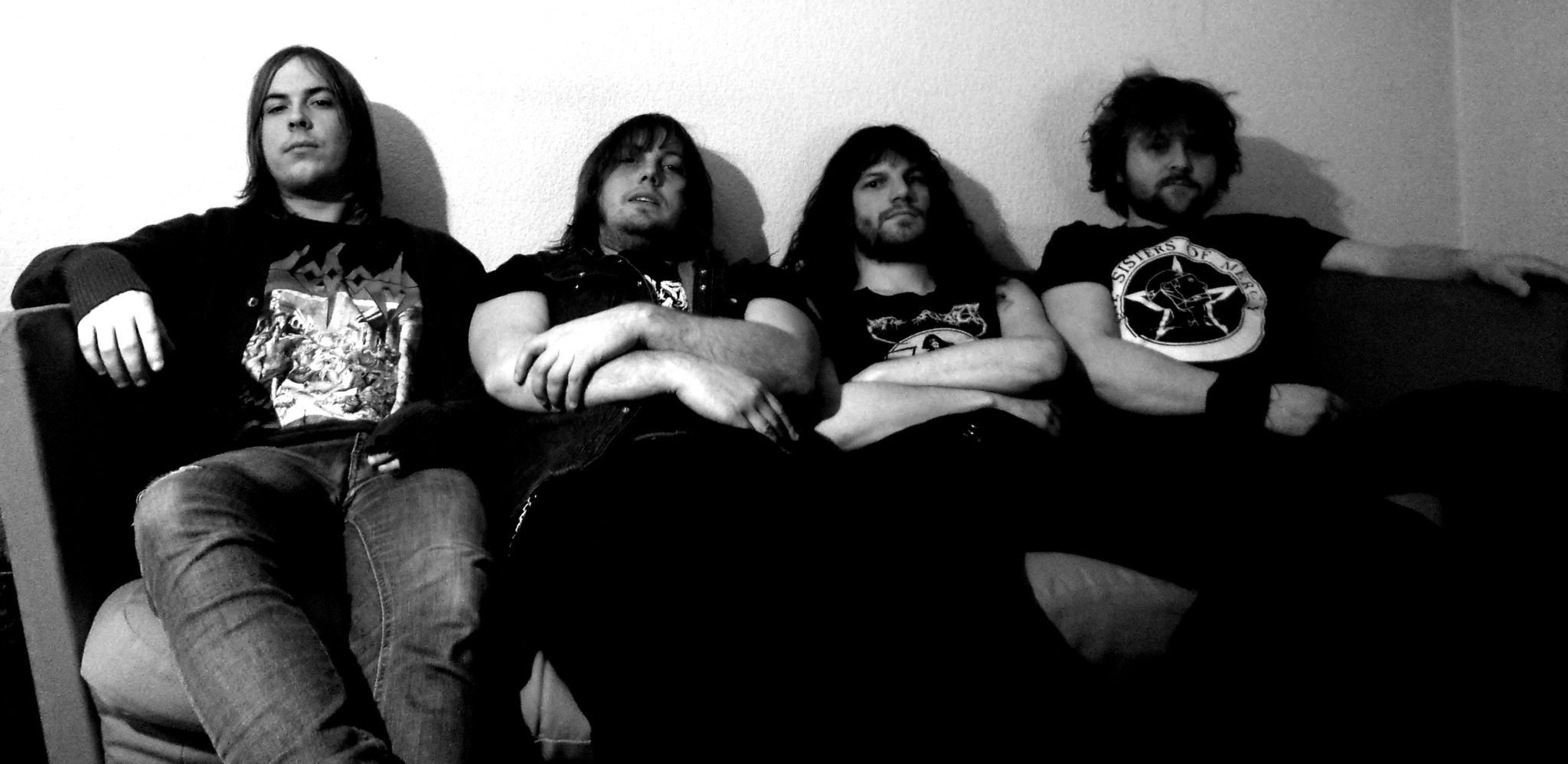
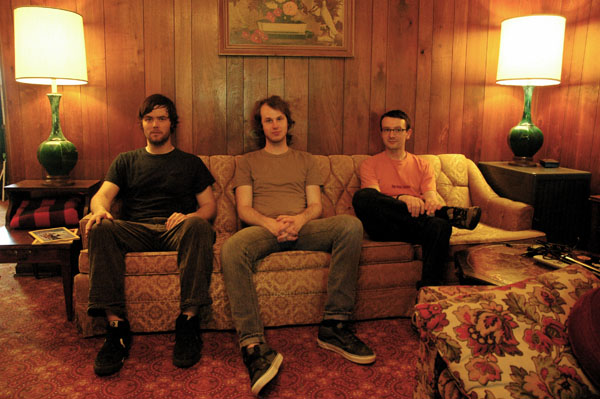
Oxford, England-based indie-rock quintet Foals, which described the sound on its most recent album, Total Life Forever, as “tropical prog,” just wrapped up a worldwide tour that spanned the better part of three months. The band made a stop at Metro in Chicago during the tour’s last leg. Contributing photographer Drew Reynolds was there to capture these moody shots, whose dichotomous qualities of grain and softness reflect the band’s ability to straddle gritty synth pop and more melodic, down-tempo folk.

Foals

Miasmal

The Metal Examiner: Miasmal’s Miasmal

Every Friday, The Metal Examiner delves metal’s endless depths to present the genre’s most important and exciting albums.

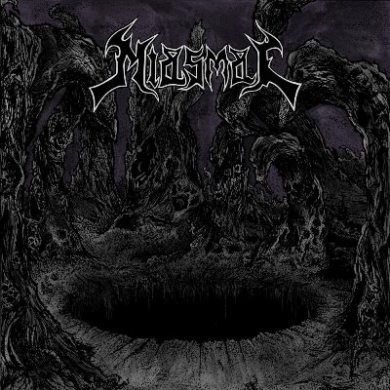
Miasmal - MiasmalMiasmal: Miasmal (Dark Descent, 4/15/2011)

Miasmal: “Toxic Breed”

[audio:https://alarm-magazine.com/wp-content/uploads/2011/05/06-Toxic-Breed.mp3|titles=Miasmal – Toxic Breed]

Based in the metal-rich city of Gothenburg, Miasmal offers a punk-ish perspective on the classic Swedish death-metal sound. In the late ’80s and early ’90s, Swedish bands like Dismember, Unleashed, and Entombed borrowed heavily from Scandinavian hardcore bands such as Anti-Cimex and Bastards, as well as mainland European thrash bands like Sodom and Celtic Frost. As such, the distinctions between metal and punk in Scandinavia are blurrier than they are in some other regions. Miasmal’s music falls on the hardcore-ish end of the death-metal spectrum, which comes as no surprise given that guitarist and vocalist Pontus also plays in Martyrdöd, a crusty hardcore band.

Moses Supposes

Moses Supposes: Music’s Secret to Competing with “Free” — Raise the Price

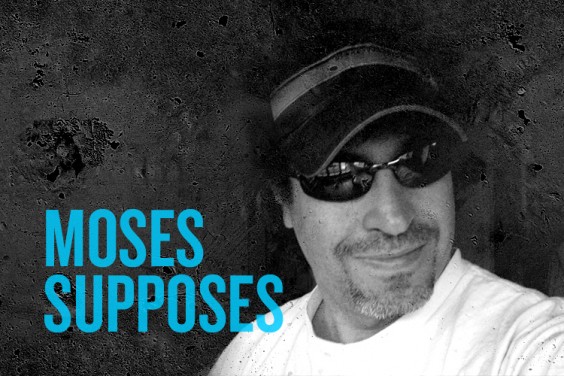
Moses Avalon is one of the nation’s leading music-business consultants and artists’-rights advocates and is the author of a top-selling music business reference, Confessions of a Record Producer. More of his articles can be found at www.mosesavalon.com.

Pundits are declaring that, due to so much free music on the web, Amazon’s 69-cent-a-tune program is the ultimate sign of retail music’s demise. But some basic laws of marketing are being ignored within these conclusions. The solution to competing with free might be counter-intuitive: raise its wholesale price. Insanity? Let’s see.

Sometimes it probably seems like I take a contrary position to my fellow music business experts just to stand out. But that’s not true. The truth is that I just read more data than many of them and, therefore, I’m more righter. (Great English, huh?) Such will be the case here as well. For a while, many are saying that now is the time to cut back prices to “compete with free.” I say the opposite. What’s my secret?

History. Looking at history is always more revealing than pontificating about the future. But it does require a bit more research.  History tells us what is likely to happen tomorrow, because even though technology may progress at the speed of a microchip, it still hits the road-bumps of bureaucracy and human nature — a constant often ignored by the “if you build it, they will come,” techno-centric philosophers.

Okkervil River

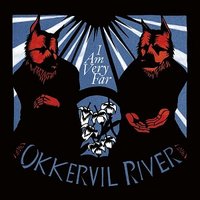
Pop Addict: Okkervil River’s I Am Very Far

Every Thursday, Pop Addict presents infectious tunes from contemporary musicians across indie rock, pop, folk, electronica, and more.

Okkervil River: I Am Very FarOkkervil River: I Am Very Far (Jagjaguwar, 5/10/11)

Okkervil River: “Wake and Be Fine”

[audio:https://alarm-magazine.com/wp-content/uploads/2011/05/Okkervil-River-Wake-and-Be-Fine.mp3|titles=Okkervil River: “Wake and Be Fine”]

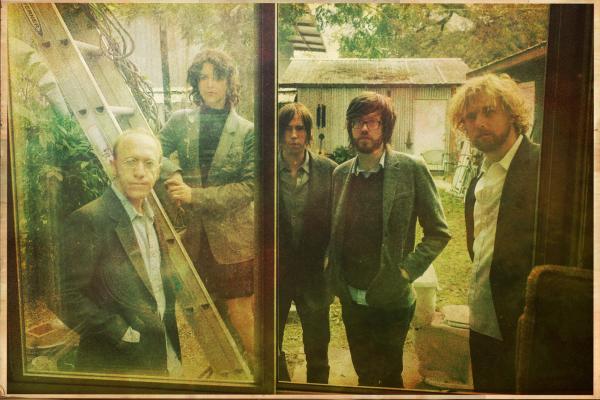
Austin indie-folk band Okkervil River has always been pretty bookish. With lyrics that read, more often than not, like poems or short stories, Will Sheff and company have penned some of the most evocative and menacing lines in contemporary music.

From the haunting storyline of “Westfall” on the band’s 2002 debut, Don’t Fall In Love With Everyone You See, to the wistful longings of “For Real” and “Black” on 2005 standout Black Sheep Boy, to the sing-along chorus of “Lost Coastlines” from The Stand Ins, Okkervil River has crafted poetic, imaginative, visceral, and oftentimes harrowing tales. But the band’s appeal doesn’t begin and end with the lyrics. Instead, Okkervil River provides a vast arsenal of instrumentation and musical sensibilities, covering a barrage of genres within the indie scene. And with I Am Very Far, the band’s latest effort, those trends continue with much success.

Sorry Bamba

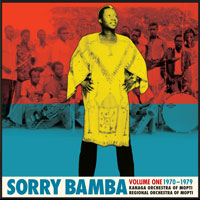
World in Stereo: Sorry Bamba’s Volume One 1970-1979

World in Stereo examines classic and modern world music while striving for a greater appreciation of other cultures.

Sorry Bamba: Volume One 1970-1979 (Thrill Jockey, 6/19/11)

Sorry Bamba: “Porry”

[audio:https://alarm-magazine.com/wp-content/uploads/2011/05/07-Porry.mp3|titles=Sorry Bamba: “Porry”]

Thrill Jockey continues its foray into the world-music scene with a collection of tunes from one of West Africa’s forgotten figures, Sorry Bamba. A father figure to the many musicians who came after him but somewhat unknown outside of Africa, Bamba’s music is another testament to the never-ending investigation of Mali’s rich musical history.

Born in Mopti, a city resting between Timbuktu and Ségou, Bamba plays a confluence of styles that stem from the region’s folk traditions. He’s best known for his powerful sing-talk vocals that can withstand the grittiest Afro-funk, electric instrumentation.

But this compilation, covering a mere decade of the artist’s half-century-long career, is more than ’70s Afro-funk. Bamba’s career in the ’70s was at a crossroads, a time characterized by Mali’s independence from France a decade earlier. While the country promoted modernization and celebration of Malian culture, Radio Mali sought for a push of musical heritage. Bamba was one of the artists at the forefront as the band leader for the Regional Orchestra of Mopti. In addition to funky fuzz, the collection shows hints of Malian blues, American soul, and Latin rhythms among Bamba’s take on regional sounds, most particularly the folkloric songs of the nearby Dogon people.

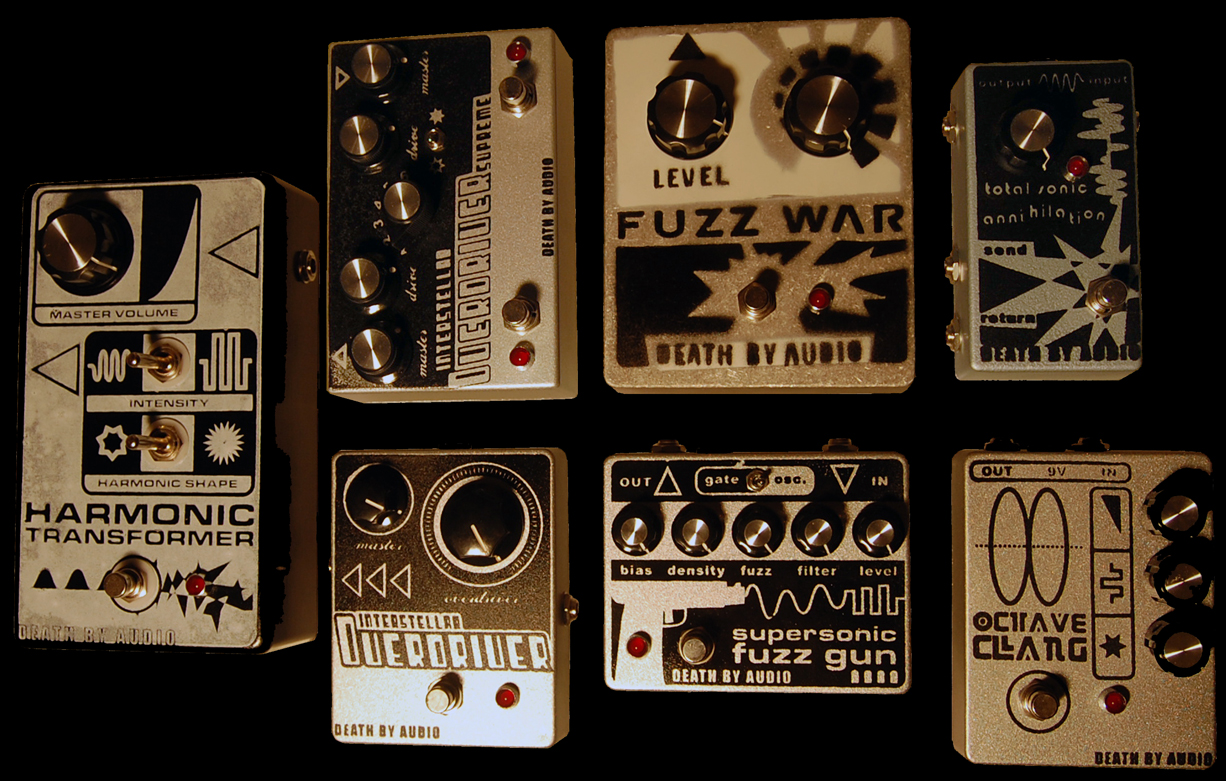
Boutique Guitar Effects

Boutique Guitar Effects: The Quest for a New Sound

Once upon a time, a musician only had so many options when it came to effect pedals. Now, with the aid of the Internet, hundreds of custom boutiques are variegating the market with unique, wildly experimental pedals.

Morrow vs. Hajduch

Morrow vs. Hajduch: Africa Hitech’s 93 Million Miles

Scott Morrow is ALARM’s music editor. Patrick Hajduch is a very important lawyer. Each week they debate the merits of a different album.

Africa Hitech: 93 Million MilesAfrica Hitech: 93 Million Miles (Warp, 5/10/11)

Africa Hitech: “Glangslap”

[audio:https://alarm-magazine.com/wp-content/uploads/2011/05/Africa_Hitech_Glangslap.mp3|titles=Africa Hitech: “Glangslap”]

Hajduch: Africa Hitech is an electronic duo comprised of jack-of-all-trades Mark Pritchard (Harmonic 33, Global CommunicationHarmonic 313) and Steve Spacek. Following an EP last year, this debut LP on Warp is a lurching exploration of juke beats, swirling synthscapes, acid squelch, hip-hop menace, and the breakneck tempo of South African dance music.  Though initially it seems like an overwhelming listen, there’s a lot to pick apart, and plenty of hooks to latch onto even when the rhythms are hard to grasp.

Morrow: The rhythms strike me as intricate in a subtle way.  There are different layers doing different things, but like most of Pritchard’s other work, there’s plenty of minimalism, usually involving a basic dance beat.  These danceable polyrhythms are the real shared trait between 93 Million Miles and African music.  Outside of a few drum samples on tracks such as “Spirit,” the album otherwise is heavy on the Detroit techno sound of Pritchard’s Harmonic 313.

Horseback

Record Review: Horseback’s The Gorgon Tongue: Impale Golden Horn + Forbidden Planet

Horseback: The Gorgon Tongue: Impale Golden Horn + Forbidden PlanetHorseback: The Gorgon Tongue: Impale Golden Horn + Forbidden Planet (Relapse, 5/10/11)

Horseback: “The Golden Horn”

[audio:https://alarm-magazine.com/wp-content/uploads/2011/04/The-Golden-Horn.mp3|titles=Horseback: “The Golden Horn”]

Jenks Miller is the sole constant in avant-metal outfit Horseback. Miller’s output — occasionally under his own name, often as Horseback, and recently with the Americana group Mount Moriah — has been a steady trickle over the past three years, with each release offering a new glimpse of the artist’s capabilities. To consider Miller’s art only in terms of his 2010 breakout, The Invisible Mountain, is like considering an iceberg only in terms of its tip.

Such an assumption is also likely to leave you confused upon hearing The Gorgon Tongue, which compiles Impale Golden Horn (Miller’s 2007 debut as Horseback) and last year’s ultra-limited Forbidden Planet cassette. Each is radically different from the other and also from the lumbering kraut-metal/Americana hybrid upon which Horseback built its reputation.

But that reputation came after more than two years of output, slowly revealing the character of the project and the Chapel Hill musician behind it all. Horseback began as a method for Miller to focus his concentration, to help manage his obsessive-compulsive disorder.

Impale Golden Horn — which Miller spent three years recording and reworking before its 2008 release — introduces Horseback as a patient, meticulous sculptor of sound. “Laughing Celestial Architect,” at 17 seconds past the 15-minute mark, is Impale’s second-longest track (behind the 17-minute opener, “Finale”). It’s a slow, smoldering rise, not unlike waking up as sunlight slowly fills the room. This mixture of ascendant dynamics, meditative repetition, and calming timbres is indicative of the collection. It’s a bluff belying all of Miller’s work to follow. It makes the improvisatory follow-up seem almost ironically relaxed.


Nine Gallons

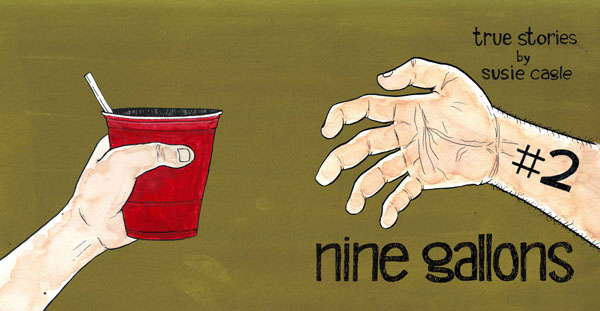
Zine Scene: Susie Cagle’s Nine Gallons

Nine Gallons Susie Cagle: Nine Gallons #1 & 2 (Microcosm)

We all want to make a difference in the world. Susie Cagle, the graphic journalist of Nine Gallons, rightly addresses the complexity and contradictory nature of this desire — and the joys of fulfilling it. Even when we help others, our motives will be questioned. We’ll wonder if we’re doing enough and then if we’re doing too much. Through her work with volunteer-based organization Food Not Bombs, Cagle’s encounters with other workers and the homeless of San Francisco (who are really just “camping”) show the difficulties of changing the world and articulating to yourself what that means.

Nine Gallons

In both issues of Nine Gallons (the first is available on Cagle’s website, the second from Microcosm Publishing), the author faces opposition from her friends, who don’t see the value of her work, and from the homeless, who are suspicious of her motives.

Food Not Bombs, the group that Cagle works for, scavenges ingredients from dumpsters and then makes them into soup to give to homeless people. The opening page of the second issue underscores how Food Not Bombs is seen in the community (one man assumes they’re anarchists, another insists that they shouldn’t serve vegan only, and a woman is interested until she hears that the food is scavenged from the trash). Already, we see that an organization that is ostensibly selfless and helpful to the community is subject to scrutiny from that same community — all because its motives and selflessness seem suspect.

Giant Sand

Giant Sand: A Mutable Southwestern-Rock Institution

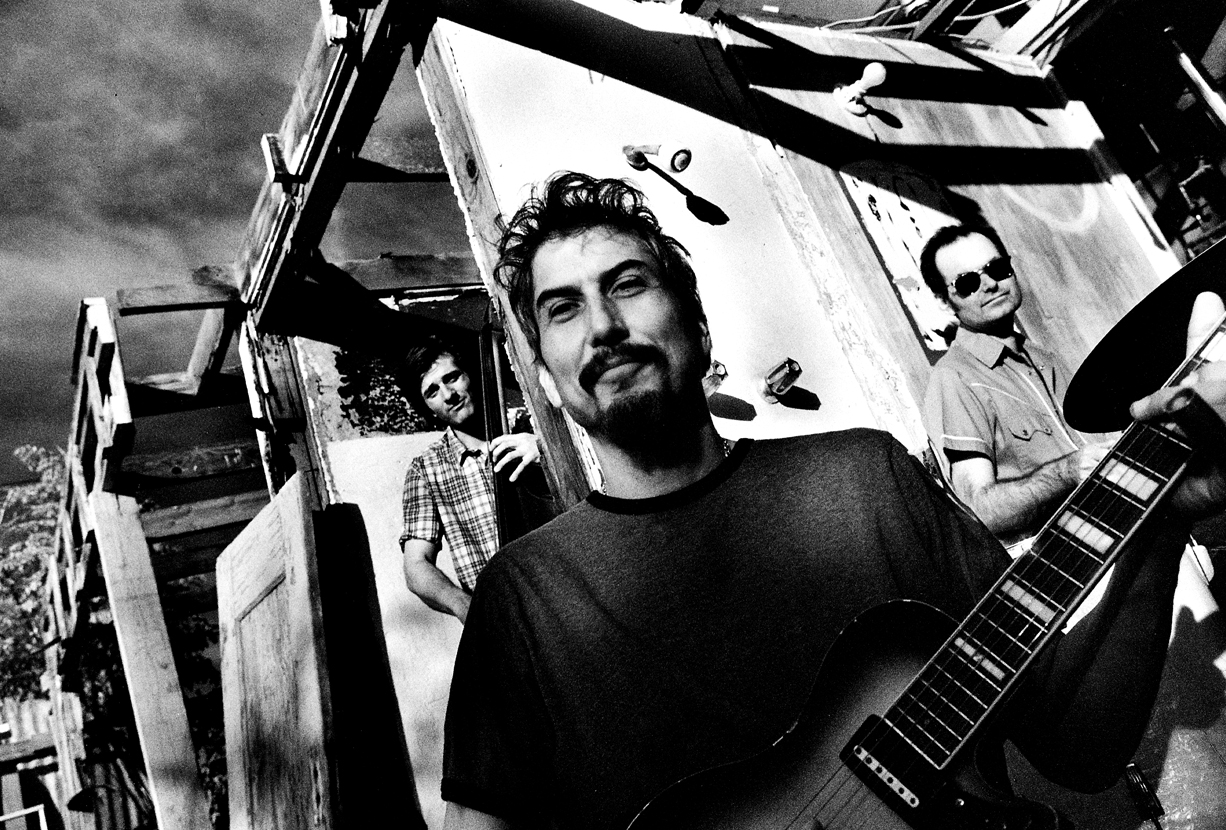
Tuscon-based singer/songwriter Howe Gelb has made a name for himself by collaborating with an ever-changing cast of players. As Giant Sand, Gelb has released more than 20 records, with contributions from the likes of Neko Case, PJ Harvey, Vic Chesnutt, and Steve Wynn.