Lynd Ward

Zine Scene: Lynd Ward

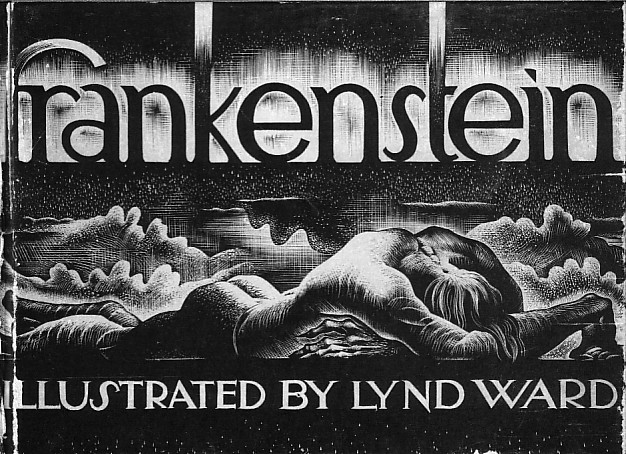
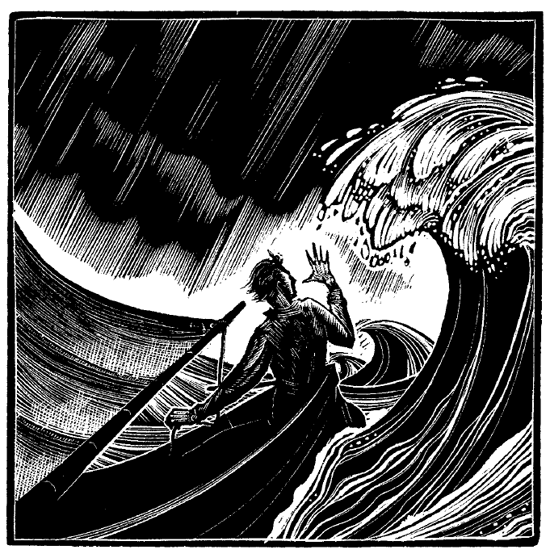
Before Daniel Clowes and Adrian Tomine, before Frank Miller and Alan Moore, and even before Stan Lee and Jack Kirby, there was Lynd Ward — America’s first, real graphic novelist. The terms “visionary” or “pioneer” could be applied to Ward, but the truth is that he was making graphic novels way before it was cool, and probably before it was even thought possible to create such a thing. Between 1929 and 1937, he dared to tell dramatic adult stories with just a series of woodcut images and his own vision.

Born in 1905 in Chicago, Ward lived through some of the most tumultuous moments of the 20th Century, most of which found a way into his dynamic, wordless picture books, now widely regarded as the origins of the modern graphic novel. His stories included sociopolitical commentary on the inter-war atmosphere of dread — the sinking American economy, the meteoric rise of European fascism, and the effect of swift industrialization on the self-hood of the worker — as well as more thoughtful matters, such as the whether or not the soul could survive in the modern age, or the price of artistic ambition and greed.
Lynd Ward

Low

Record Review: Low’s Live At Eindhoven EP

Low: Live at Eindhoven EPLow: Live at Eindhoven EP (self-released, 12/8/10)

Low: “Silver Rider”

[audio:https://alarm-magazine.com/wp-content/uploads/2010/12/02-Silver-Rider.mp3|titles=Low: “Silver Rider”]

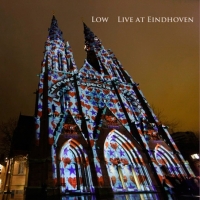
On January 22, 2009, veteran post-rock band Low played a set at the St. Catherina Church in Eindhoven, The Netherlands. That performance was recorded and has been subsequently released as the free Live At Eindhoven EP. It boasts a more grandiose setup than the average Low show; its four tracks feature a five-person chorus, an extra keyboard player, and two musicians backing the band on percussion and vibraphone. The album succeeds in capturing the tangible and intangible qualities alike that make Low such a lovely, wrenching live band.

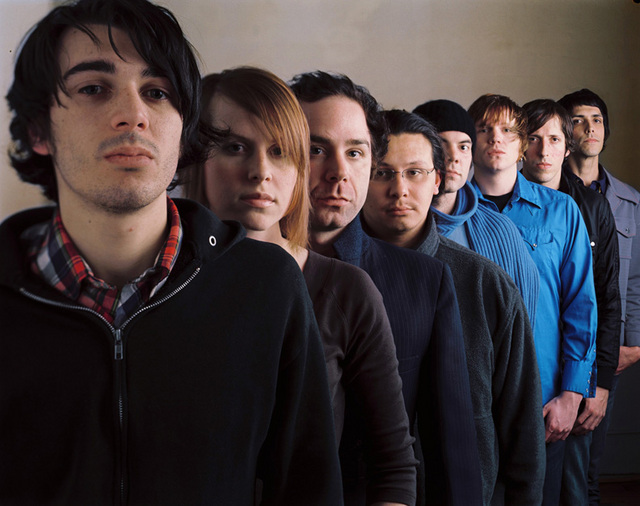
The Ocean

The Metal Examiner: The Ocean’s Anthropocentric

Every Friday, The Metal Examiner delves metal’s endless depths to present the genre’s most important and exciting albums.

The Ocean: Anthropocentric

The Ocean: Anthropocentric (Metal Blade, 11/9/10)

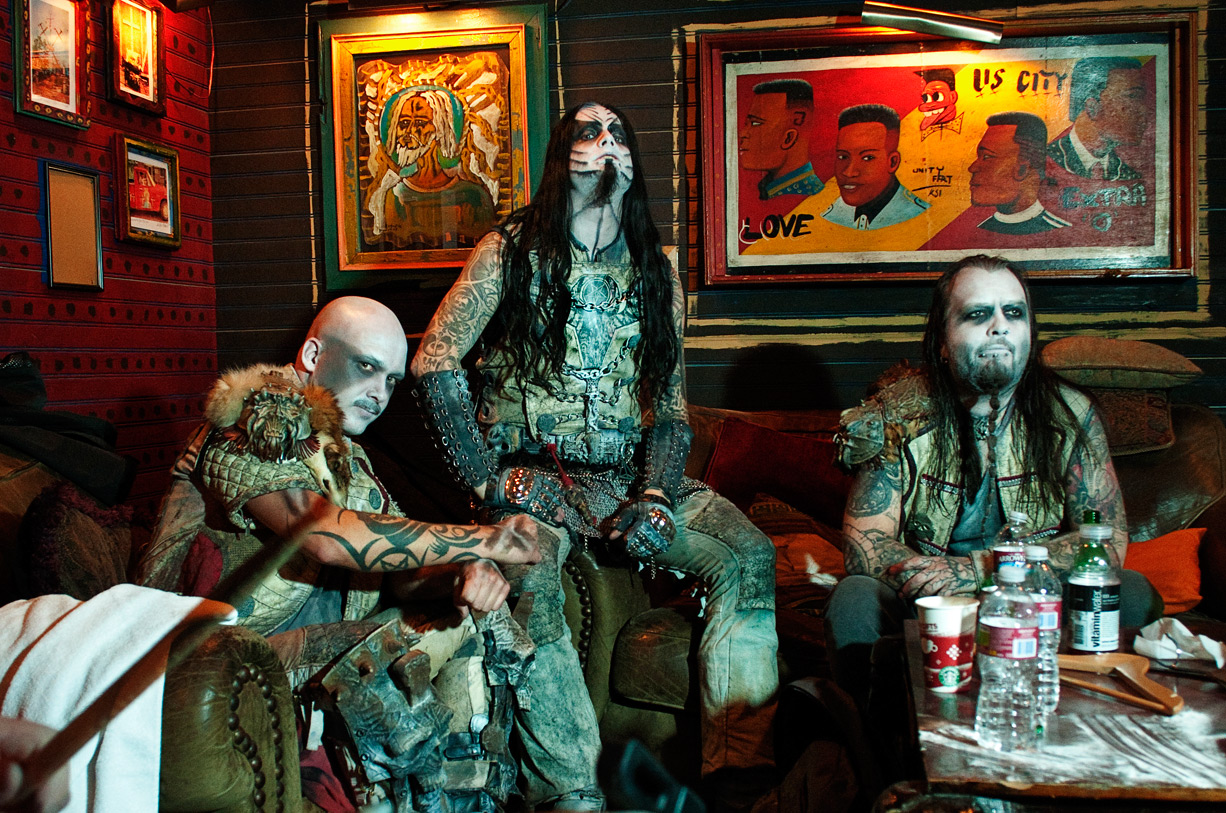
Since its inception, German post-metal collective The Ocean has relied on over-the-top lyrical ambition as much as straight-ahead musical progression. Earlier this year, the group began its long-form, anti-fundamentalism diatribe with Heliocentric. With that album’s counterpart, Anthropocentric, The Ocean brings its musings full circle, and brings a unique (if sometimes difficult) vision of metal back with it.

The album’s opening title track fires full-bore with pounding toms and a throat-shredding roar, but by the end of its nine minutes, the primal rage has yielded to a swaying, almost anthemic coda. The obvious comparison is to peers Isis or 3, but at its heart, the band more closely follows Iron Maiden — not just because the group doesn’t hesitate to peel back the layers mid-song, but also because it doesn’t hesitate to remind listeners that its members read books (Charles Darwin, Richard Dawkins, and Fyodor Dostoyevsky, to name only the three overtly referenced authors).

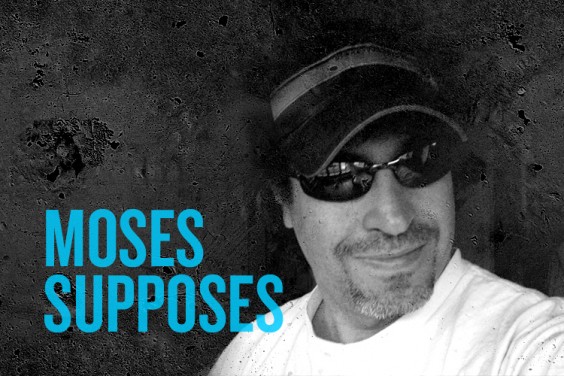
Moses Supposes

Moses Supposes: PCMag flips RIAA the bird

Moses Avalon is one of the nation’s leading music-business consultants and artists’-rights advocates and is the author of a top-selling music business reference, Confessions of a Record Producer. More of his articles can be found at www.mosesavalon.com.

If you ever had any doubt that the ISP industry is at war with music and other content providers, this should put the controversy to rest. When a popular consumer computer magazine acutely and brazenly facilitates its readers to steal music via P2P, even after all the court battles, how can there be any room for doubt that this is anything short of a deliberate attack?

Even with ruling after ruling that clearly states that file sharing is a crime, even after every single legal argument has been made and defeated as to how file sharing commercial music might, in some extreme interpretation, be legal, some people just don’t get it, or just don’t care.

Margot & the Nuclear So and So's

Pop Addict: Margot & the Nuclear So and So’s’ Buzzard

Every Thursday, Pop Addict presents infectious tunes from contemporary musicians across indie rock, pop, folk, electronica, and more.

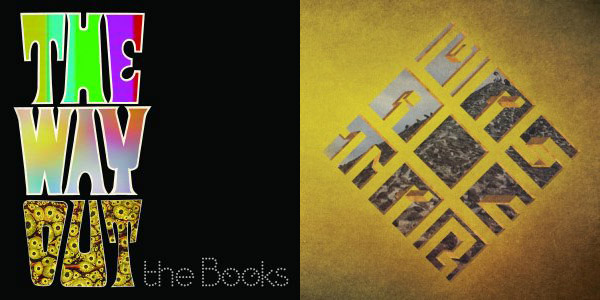
Margot & the Nuclear So and So's: BuzzardMargot & the Nuclear So and So’s: Buzzard (Mariel Recordings, 9/21/10)
Margot & the Nuclear So and So’s: “Birds”

[audio:https://alarm-magazine.com/wp-content/uploads/2010/12/1285885158Margot_and_the_Nuclear_So_and_Sos_Birds.mp3|titles=Margot & the Nuclear So and So’s: “Birds”]

Following the Animal!/Not Animal tussle with the bosses at Epic in 2008, Indianapolis’ Margot and the Nuclear So and So’s has released Buzzard, its third full-length album, on its own Mariel Recordings label.

A record very much about rebirth and reinvention, Buzzard signals the band’s shift to a louder, more energetic sound. Its signature chamber-pop melodies are now reinforced with fuzzed-out guitars and a more pronounced, uptempo rhythm section, helped in large part by the addition of drummer and producer Brian Deck (Red Red Meat).

Displaced after a fire damaged the home that singer-songwriter Richard Edwards shared with his seven bandmates in Indianapolis, Edwards moved to Chicago to record Buzzard in an abandoned movie theater in Ukrainian Village. It was there that he enlisted the help of Chicagoans Deck and Tim Rutili of Red Red Meat, Ronnie Kwasman, and Cameron McGill. The songs, loosely inspired by the 8mm nudie-cutie films that Edwards recovered from the theater’s basement, were recorded from 10 PM to 5 AM without the use of artificial light. The result is a strangely dark and eclectic album, filled to the brim with haunting harmonies and grungy guitar work not found on the band’s earlier records.

World in Stereo: Ballaké Sissoko & Vincent Ségal’s Chamber Music

Each week, World in Stereo examines classic and modern world music while striving for a greater appreciation of other cultures.

Ballaké Sissoko & Vincent Ségal: Chamber Music (Six Degrees Records, 1/11/11)

Ballaké Sissoko & Vincent Ségal: “Histoire de Molly”

[audio:https://alarm-magazine.com/wp-content/uploads/2010/12/05-ballake_sissoko_vincent_segal-histoire_de_molly.mp3|titles=Ballaké Sissoko and Vincent Ségal: “Histoire De Molly”]

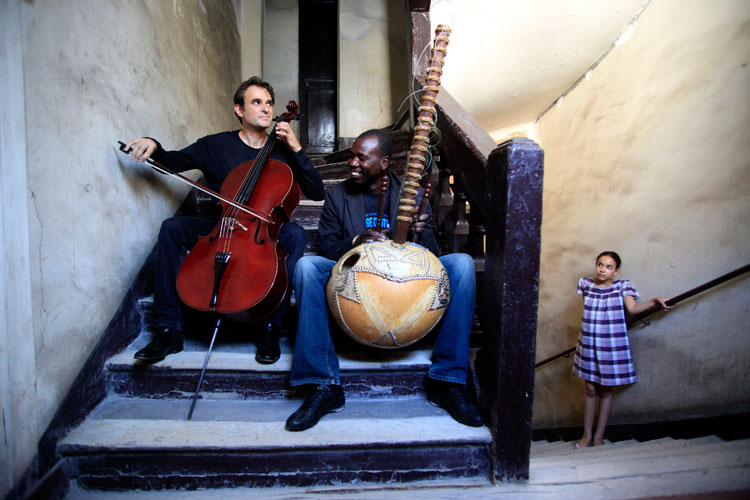
Six Degrees Records begins 2011 with a wonderful collaboration between West African kora player Ballaké Sissoko and French cellist Vincent Ségal, simply titled Chamber Music. Geared toward reimagining a genre closely associated with the days of études and opuses, the record successfully fuses African classical with Western classical music.

One of the best traditional kora musicians (the kora being West Africa’s 21-string, long-neck harp lute), Sissoko has released more collaborative projects than solo works, keen on showing the instrument’s adaptability to the modern world. In his collaboration with Ségal, known best as the cellist for the French trip-hop group Bumcello, Sissoko has found a new avenue in which to showcase this West African griot tradition.