Morrow vs. Hajduch

Morrow vs. Hajduch: Foetus’ Hide

Scott Morrow is ALARM’s music editor. Patrick Hajduch is a very important lawyer. Each week they debate the merits of a different album.

Foetus: Hide

Foetus: Hide (Ectopic Ents, 10/1/10)

Morrow: Foetus is the best-known moniker of eclectic composer JG Thirlwell, whose multifarious recordings stretch across art rock, no wave, electronica, exotica, chamber music, big-band jazz, classical orchestrations, and much more.  He has fought the classification as being a forebear of industrial music, particularly for his early material, and his later projects — Steroid Maximus, Manorexia, and the material for The Venture Bros. TV show — have expanded his exotic instrumentals.

Underneath it all, his material as Foetus has tied the aesthetics together, with eccentric and melodramatic vocals helping to create his “poppiest” songs.  Hide is his first studio album as Foetus since 2005.

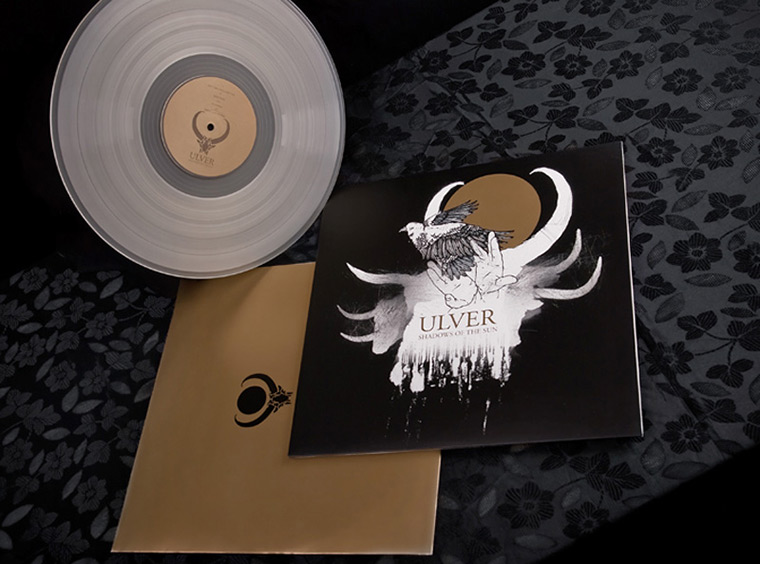
David V. D'Andrea: Ulver album art (photo by Roger Johnsen)

Posters & Packaging: David V. D’Andrea’s Psychedelic Haunts

The connection between visual and auditory art seems natural to graphic artist David V. D’Andrea, who notes KISS album artist Ken Kelley, Metallica’s merchandise designer Pushead, and Dischord Records founder and designer Jeff Nelson as fundamental influences. “The artists I looked up to when I was young were all music based,” he says. “Early on I saw the music and visuals as one in the same.”

Since the early 1990s,  D’Andrea has gradually become a staple in the West Coast music scene. Growing up, D’Andrea produced zines and fliers – generally in the DIY fashion of Xeroxing – for a variety of underground bands in the Oakland, California area. By the mid-’90s, the artist’s work began to receive well-deserved attention: D’Andrea soon had a commission for an album cover.

David V. D'Andrea: Swans poster
Themselves

Themselves: Reinterpreting the Classic Rap Record

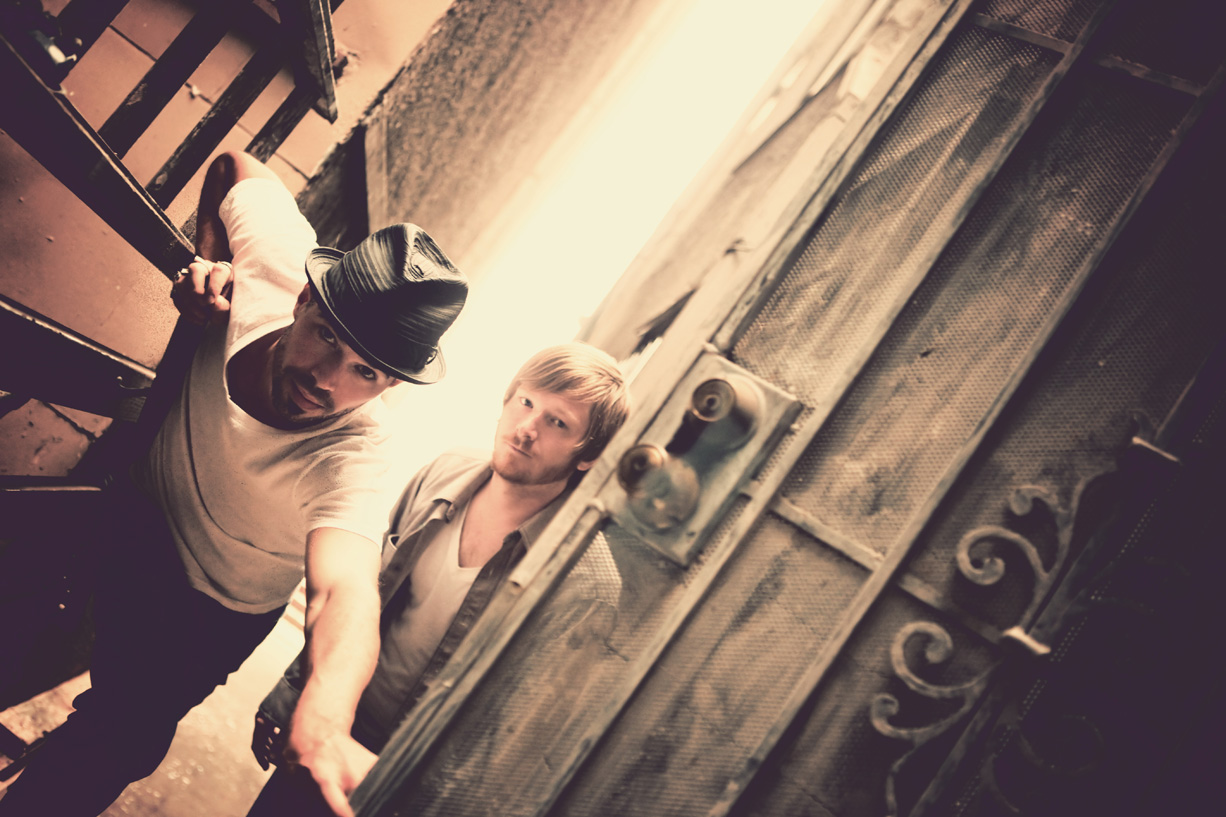
Co-founders of the indie-cred-filled Anticon record label, Adam “Doseone” Drucker and Jeff “Jel” Logan have reunited their risk-taking hip hop duo, Themselves, and returned with an idiosyncratic take on rap archetypes.

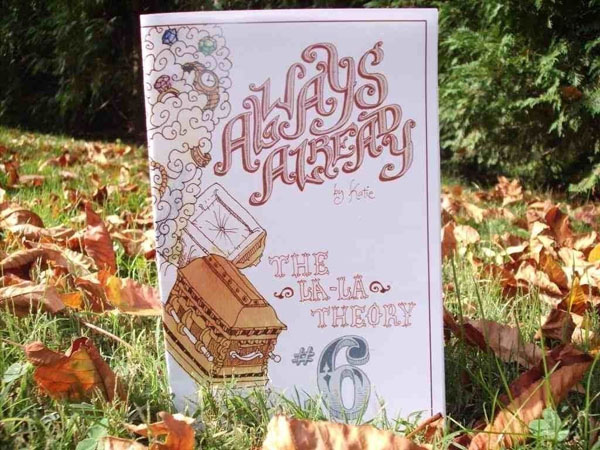
Katie Haegele: The La-La Theory 6

Zine Scene: Rummaging through Nostalgia (guest column and playlist by Katie Haegele)

Zine creator Katie Haegele is author of the found-poetry publication Word Math and The La-La Theory and has been a contributing writer for Bitch, Adbusters, Venus, and a number of major newspapers.  She discussed her witty wordplay for a previous installment of Zine Scene, and now the language-centric writer is back to pen this guest column.

Rummaging through Nostalgia
by Katie Haegele

I’ve been thinking a lot about nostalgia lately. Actually, I’ve thought about it in one way or another for years, since I was old enough to want to buy my own clothing but didn’t have any money and started hunting the Salvation Army for the grandma jewelry and waitress uniforms I turned into outfits.

I love old things, especially kitschy, outmoded, and obsolete ones, and I spend a fair amount of time digging for them at rummage sales and thrift stores, even in the trash. These things call to me, and I have spent a lot of time trying to understand and articulate exactly why that is, but it’s hard to grasp the feeling. There’s something about the sadness of castoff things that touches me, for sure, but it’s not only that. It’s also the feeling that each object has a story, a history that’s not my own. That history is both loaded and freeing at once. For next to no money, you can buy the thing and take it home. That coffee canister or wicker handbag or owl figurine will be yours, but it will never feel like it’s only yours.

More than an owner, you’re like a caretaker. In exchange, you get to borrow the thing’s history and have a piece of its ready-made comfort — a comfort like the feeling you had in the cozy living room in your grandparents’ house, or the kitchen of a friend from grade school who’s grown fuzzy in your mind over time. You can, in fact, feel nostalgic for something you don’t even remember.

Calibro 35

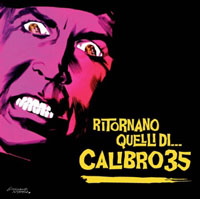
The Groove Seeker: Calibro 35’s Ritornano Quelli Di…

On a weekly basis, The Groove Seeker goes in search of killer grooves across rock, funk, hip hop, soul, electronic music, jazz, fusion, and more.

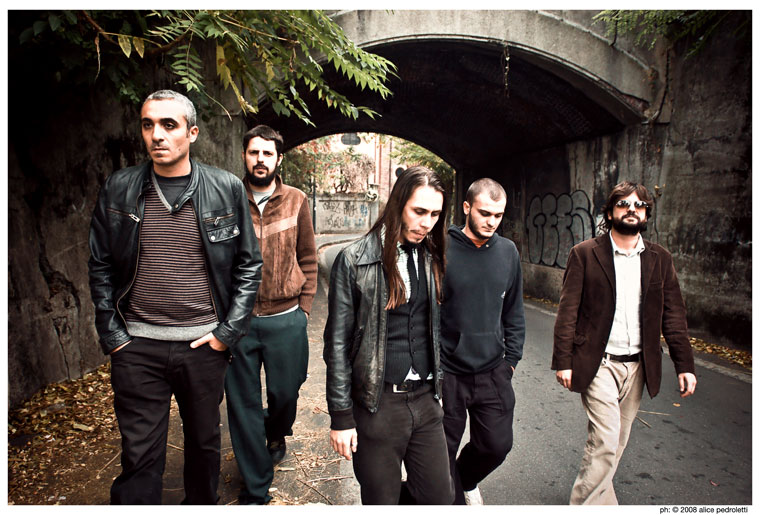
Calibro 35: Ritornano Quelli Di...Calibro 35Calibro 35: Ritornano Quelli Di… (Ghost/Nublu, 7/13/2010)

Calibro 35: “Death Comes at Midnight”

[audio:https://alarm-magazine.com/wp-content/uploads/2010/11/02-La-Morte-Accarezza-A-Mezzanotte.mp3|titles=Calibro 35: “Death Comes at Midnight”]

During the 1970s, the Italian film industry produced approximately 250 films that fell under the Italian cop sub-genre poliziotteschi.  The films were ultra-violent takeoffs of American cop and mafia movies such as The Godfather, The French Connection, and Dirty Harry. Always brutal and sometimes filled with nonsensical violence, poliziotteschi films had it all: car and motorcycle chases, political corruption, mafia wars, heists, shootouts, tough rogue cops, and not to mention properly trimmed mustaches.

To match the over-the-top action, films began replacing traditional orchestrated scores with driving sounds that drew influence from rock, funk, and jazz.  A close listen beyond the double-machine-gun-toting criminals and the occasional poor dubbing job reveals the swankiest music ever set to film.

ALARM Halloween Party

Event Photos: ALARM Halloween party at Villains

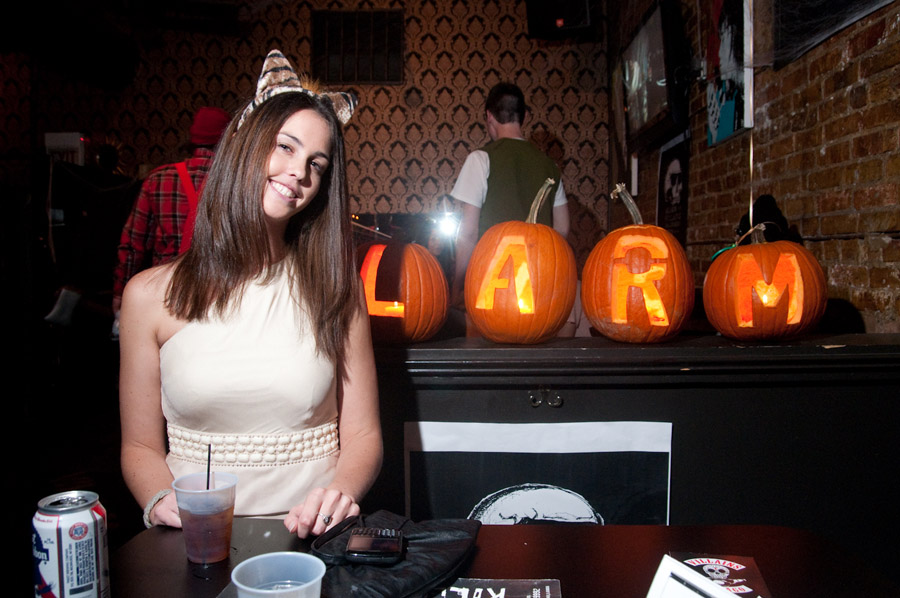
South Loop haunt Villains Bar and Grill played host to ALARM’s Halloween party this year. Costumed ALARM staff, contributors, readers, and friends descended upon the bar for drinks, an ALARM-curated playlist, and spooky holiday decorations, including five pumpkins painstakingly carved by our “foxy” marketing manager Elise. Mobile photo booth Glitter Guts set up shop to capture more formal — though still spooky — portraits (see here), while ALARM contributing photographer David Sampson snapped spontaneous photos.

Dusty Groove America

Behind the Counter: Dusty Groove America (Chicago, IL)

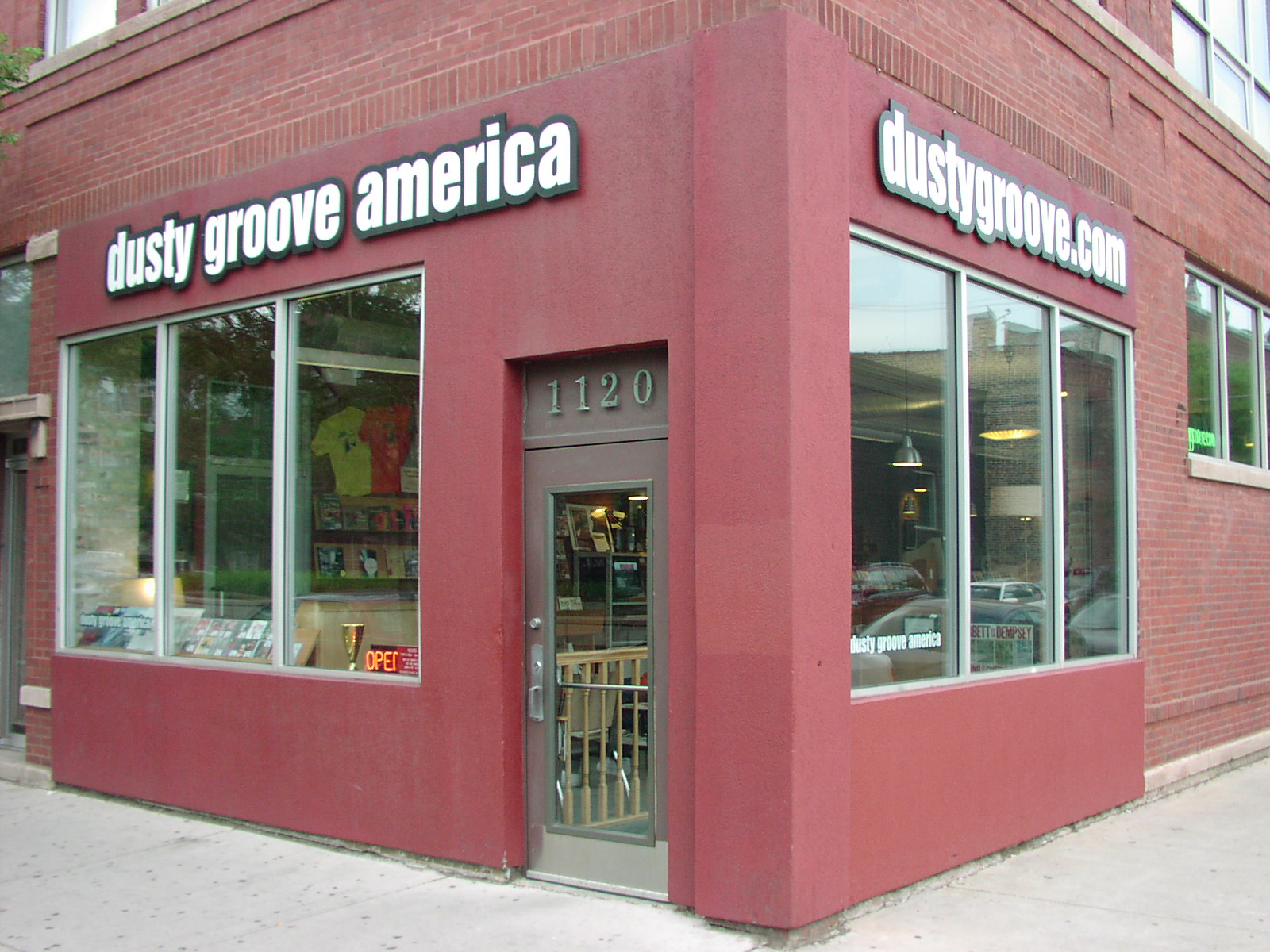
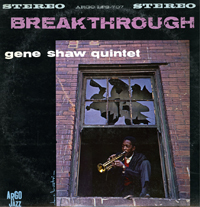
Located at 1120 N. Ashland Ave. in Chicago, Dusty Groove America is one of the nation’s top independent record stores. What started with “a few college DJs at WHPK, 88.5 FM on the south side of Chicago” is now a vinyl mecca with an up-to-the-minute online store, specializing in hard-to-find reissues. In a recent Q&A for ALARM, owner Rick Wojcik answered a few questions and selected a few of Dusty Groove’s top CD reissues (pictured below).
 

Gene Shaw Quintet: Breakthrough

Which albums has your store sold the most over the past month?

It’s not like we have any real “hits,” since we don’t sell much contemporary music, like indie rock, which would make it easier to talk about in terms of big records that have defined a season. Every day we add hundreds of different new titles to the racks, usually just one copy at a time, so we’re less likely to have this sort of focus than other stores.

MoogFest 2010

MoogFest 2010: A look at the electronic festival’s move to Asheville

Despite its history and charm, Asheville, North Carolina isn’t widely known as a destination for music and culture.  Many associate the town with the Blue Ridge Parkway, hippie drumming, and maybe Black Mountain College, a progressive institution that closed in 1957 but once was a center for artists like Merce Cunningham and John Cage.  But look deeper and you’ll also find a contemporary music scene, classy bars, and a population of locals that are culturally aware and proud of their town.

And they’re nice — like deep-South nice.  Maybe that’s why Robert Moog decided to spend the last 25 years of his life there.

Jónsi