
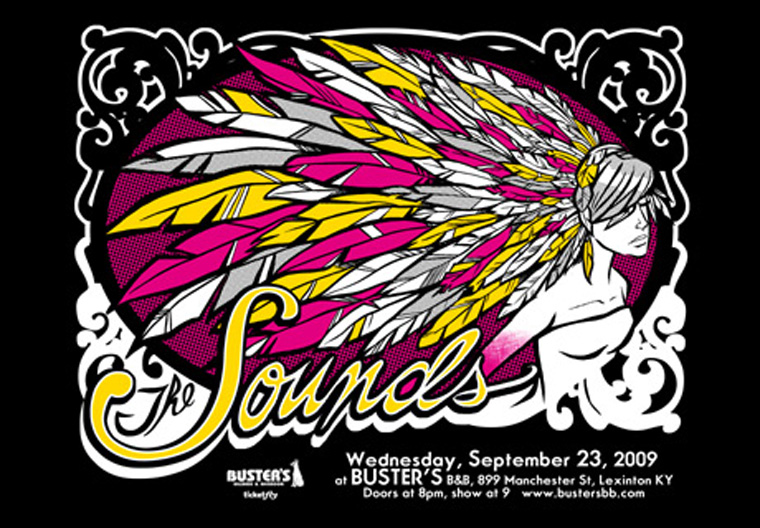
First working out of a tiny home studio in Lexington, Kentucky, Brian and Sara Turner created Cricket Press, a hand-printing, silk-screening, poster-making operation, in 2003. Since then, the duo has generated work for hundreds of bands, ranging from “indie rock to free jazz, bluegrass to punk, as well as promotional work for events both local and national,” the Turners say.
Music
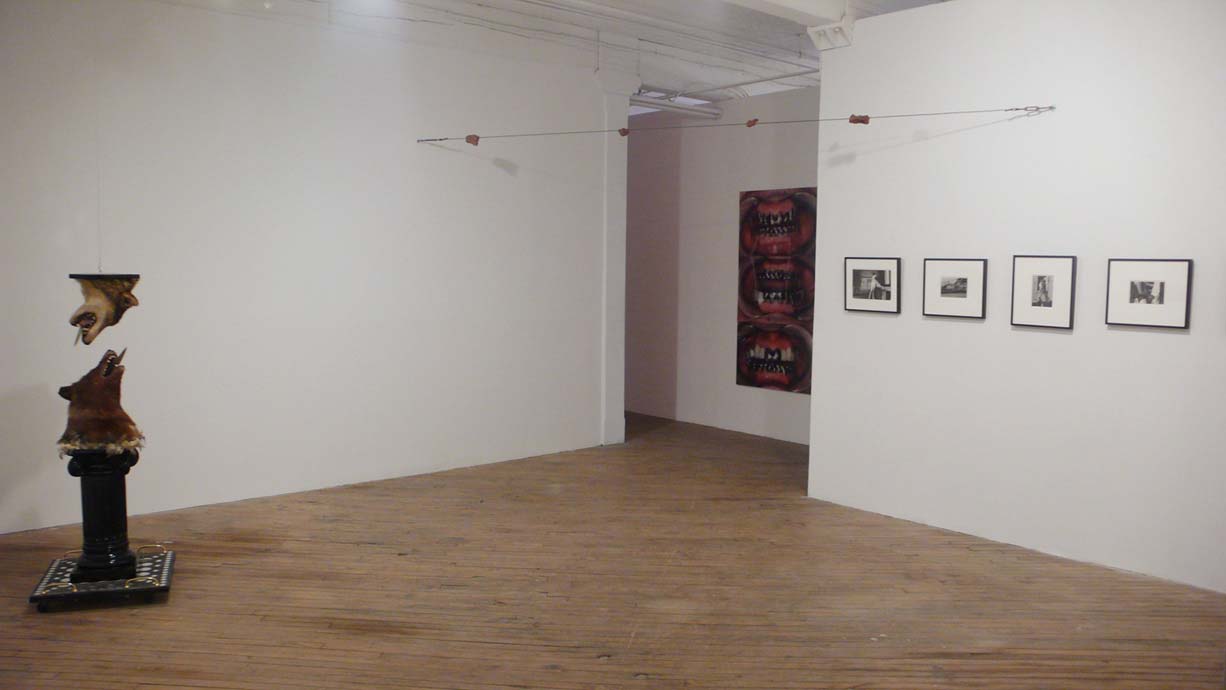
Gallery Spotlight: Vox Populi
When it comes to cities known for experimental art scenes, Philadelphia might not be the first to come to mind. Yet over the past few years, the city’s tight-knit art community and DIY ethos have been attracting more and more artists to consider relocating.
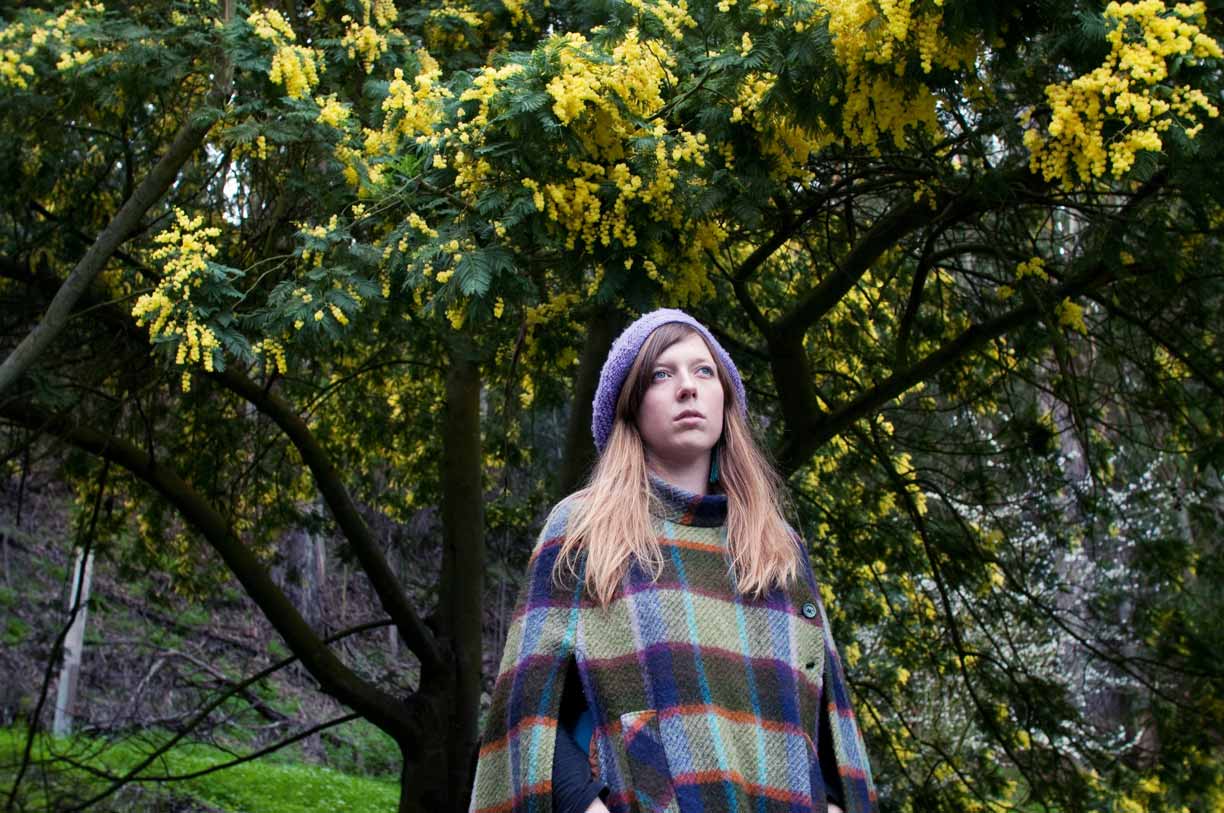
Kacey Johansing’s multi-instrumental potency
The lush and captivating melodies of Kacey Johansing will soon be wafting into the world from her solo debut, Many Seasons. Photographer Cecilia Austin spent a day with Johansing, snapping a few shots and discussing the source of her allure.
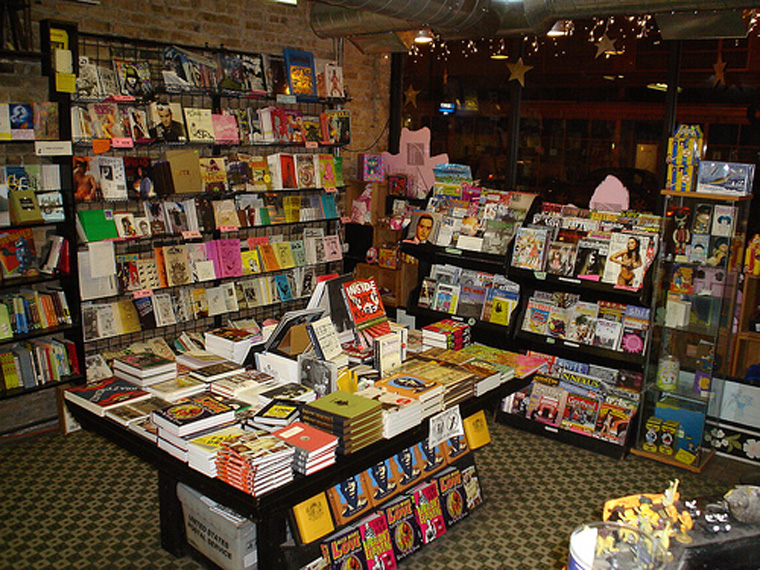
Zine Scene: Quimby’s of Chicago
Ask anyone in Chicago where the best place is to get independent books and zines, and they will surely have just one answer: Quimby’s. Located in Wicker Park, this bookstore carries almost everything independent, artistic, off-kilter, silly, or profound that you can imagine, and it boasts an intelligent and capable staff to help you navigate it all.
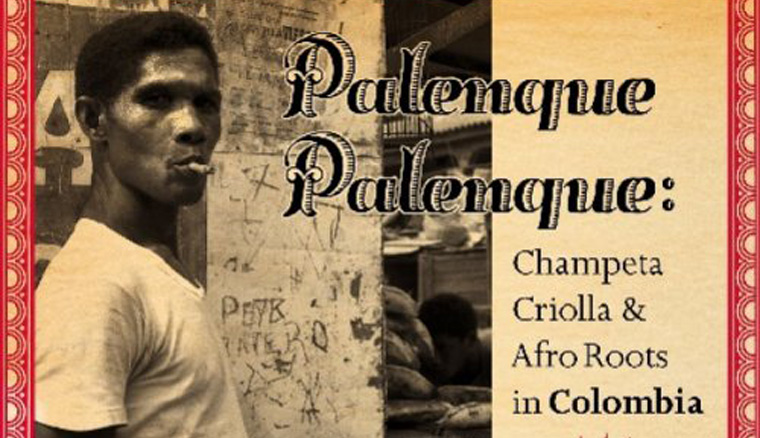
World In Stereo: Palenque Palenque: Champeta, Criolla & Afro Roots in Colombia, 1975-91
It is always fascinating to see what happens when two cultures mingle. Unfortunately, the reasons for the cultural exchange often are tragic: rampant colonialism, slavery, and immigration to escape persecution or poverty are the main offenders.
Although the causes of the fusion may not be desirable, the outcome is usually a bounty of music, art, customs, and cuisine that enriches both cultures. Such is the case in Colombia.
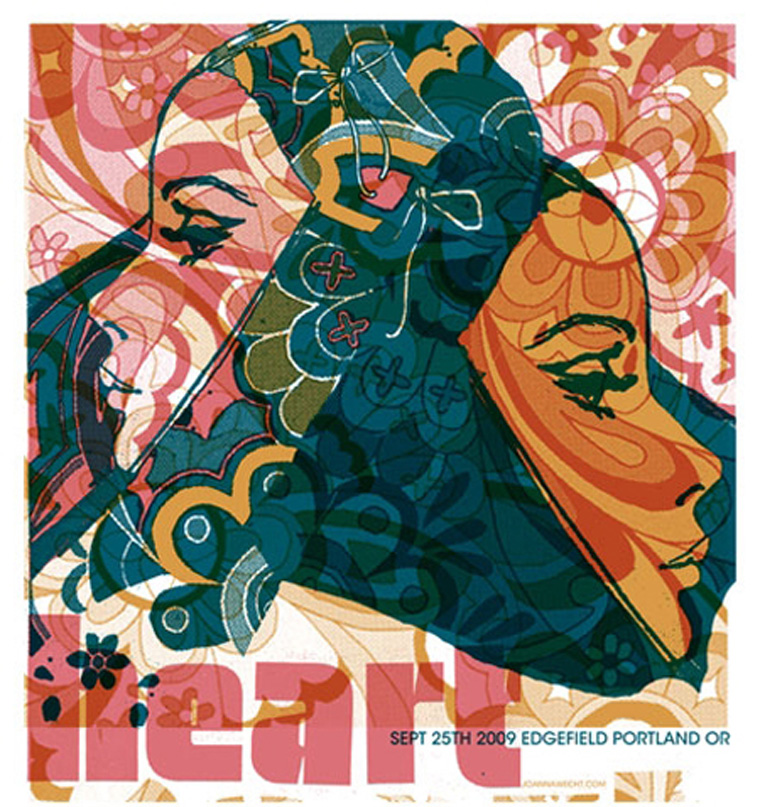
Poster Art: Joanna Wecht’s Womanly World
By using vintage images of women and by hand printing her own work because printing “tastes like ribs and chicken,” Joanna Wecht creates raw, multi-dimensional posters.
But she maintains that the imagery is not used to be an activist or prove a point; Wecht just enjoys being a “girl, a young lady, a woman,” and utilizes images that portray her disposition.
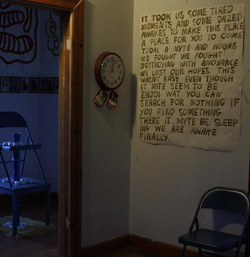
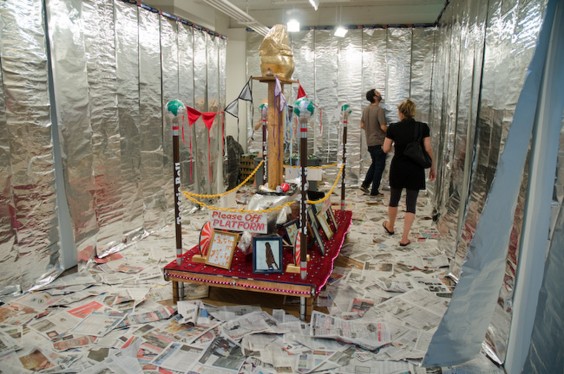
Gallery Spotlight: Second Bedroom
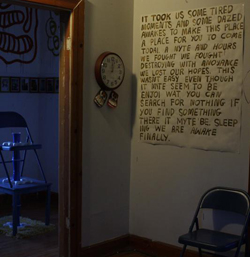 Second Bedroom is exactly what you think it is: a tiny spare bedroom in the back of a fourth-floor apartment building at 3216 S. Morgan St. in Chicago’s Bridgeport neighborhood. But it’s the installation-art “gallery” inside the spare room that makes the trek up four flights of stairs (and, if you’re like me, a detour through a neighbor’s apartment) totally worth it.
T-minus 10 days to submit for Chicago Public Library design contest
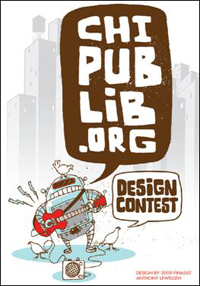 Early last month, the Chicago Public Library opened its competition to use its short URL, www.chipublib.org, in an original Library-inspired design. The contest is in conjunction with the CPL’s “Not What You Think” campaign, which intends to change misconceptions about what it offers.
The winner, selected among 30 finalists, will have his or her design unveiled on June 3 at the Harold Washington Library Center. The chosen piece then will be featured around Chicago as part of the campaign.
Zine Scene: Sticky Institute
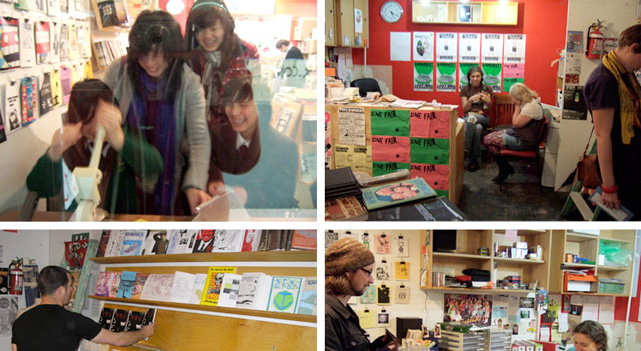
Melbourne, Australia’s Sticky Institute knows zines.
“I try to read literally every zine that comes through our doors,” manager Luke Sinclair says. The distro, which opened its doors in April of 2001 after Melbourne artist Simone Ewenson visited a similar shop in Amsterdam, carries a variety of zines, “artist books,” and other independent publications. Through support from the Victorian government and the Australian Council for the Arts, Sticky is able to nurture independent artists at every stage of the process.
World In Stereo: Orchestre Poly-Rythmo de Cotonou: Echos Hypnotiques, Vol. 2
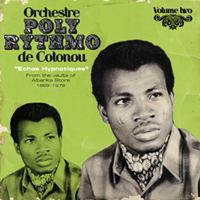
I’ve never been to Benin. I’ve never walked the streets of Cotonou or ridden on one of their motorcycle taxis.
But I have listened to Orchestre Poly-Rythmo. I have danced my ass off to “Noude Ma Gnin Tche De Me.” I have screamed along to lyrics that I don’t understand.
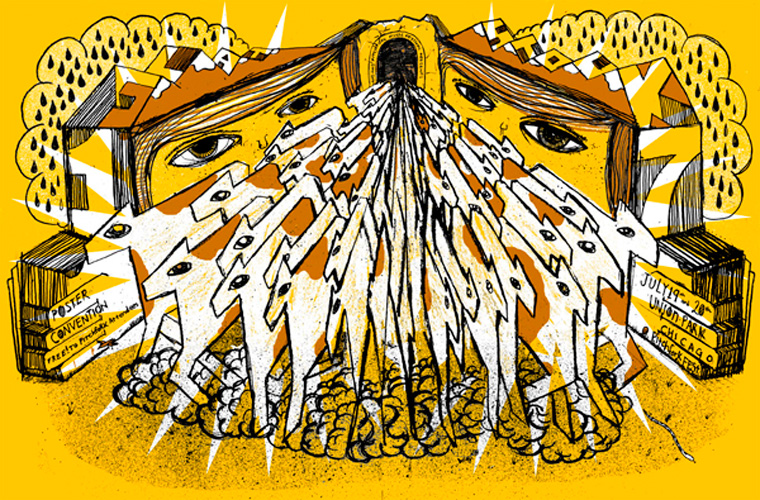
Poster Art: The Bubble Process
The Bubble Process was conceived 10 years ago in the back of a classroom and finally birthed in 2006 after graduation, relocation, and four years of “weirdness.”
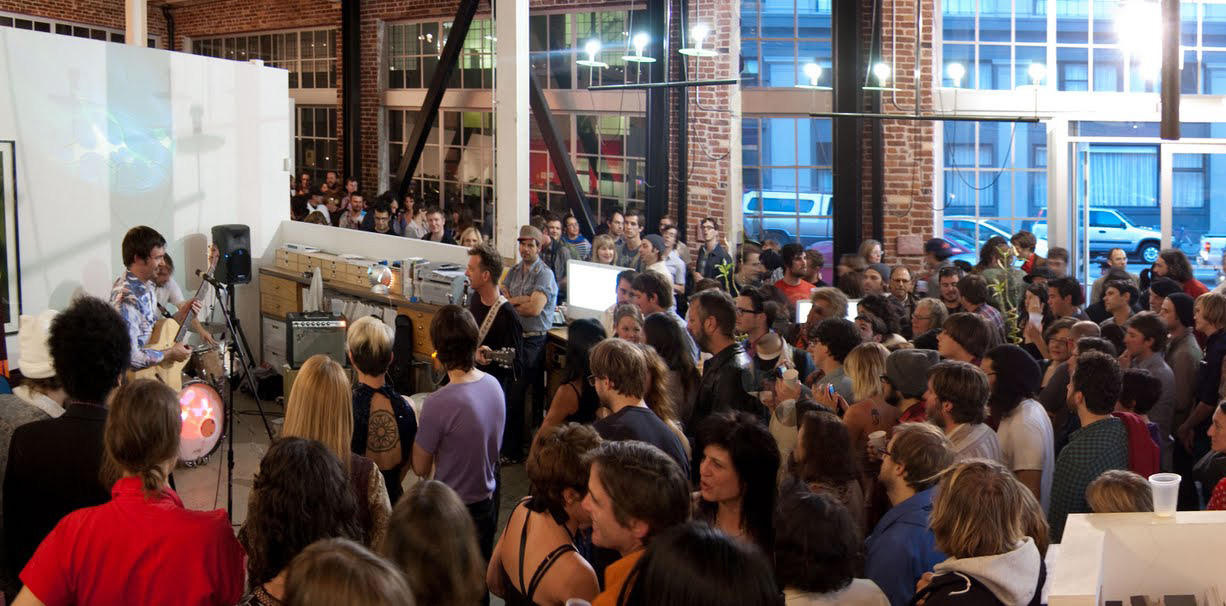
Gallery Spotlight: Gallery 16
When Griff Williams started Gallery 16 in 1993 in San Francisco, a city known for having the most non-profit art organizations per capita, he knew that he had to create a space that would stand out.
“I really wanted to connect myself with the arts community in San Francisco, which has always been really vibrant,” Williams says. “We came upon the idea of kind of creating a new sort of model for art support — one that really didn’t require me to become a non-profit art space, which I thought was a model that was kind of on the way out.”