Cut Copy

Pop Addict: Cut Copy’s Zonoscope

Every Thursday, Pop Addict presents infectious tunes from contemporary musicians across indie rock, pop, folk, electronica, and more.
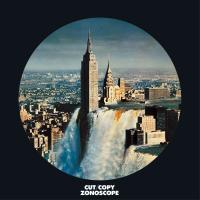
Cut Copy: ZonoscopeCut Copy: Zonoscope (Modular, 2/8/11)

Cut Copy: “Take Me Over”

[audio:https://alarm-magazine.com/wp-content/uploads/2011/02/4nqlsvsn9c.mp3|titles=Cut Copy: “Take Me Over”]

Indie has evolved drastically over the years. The genre is defined differently by anyone, and for good reason. In the past decade alone, it has borrowed from nearly every genre of music, with a plethora of bands infusing their music with rock, blues, jazz, folk, techno, metal, shoegaze, dubstep — the list goes on and on. Keeping in step with this pattern, indie has recently developed a kinship to dance pop, and it has fully embraced the metamorphosis that it underwent in the past few years.

The transition was perhaps at its peak in 2008, when widely unknown Cut Copy burst on the scene with the exceptional In Ghost Colours. The Australia-based band was armed with an expansive sound, showcasing soaring dance-pop anthems and a good portion of sunnyside-up indie pop. The album fused elements of dance, rock, pop, techno, and more together, offering an action-packed LP that was bent on making you move and sway whether you wanted to or not.
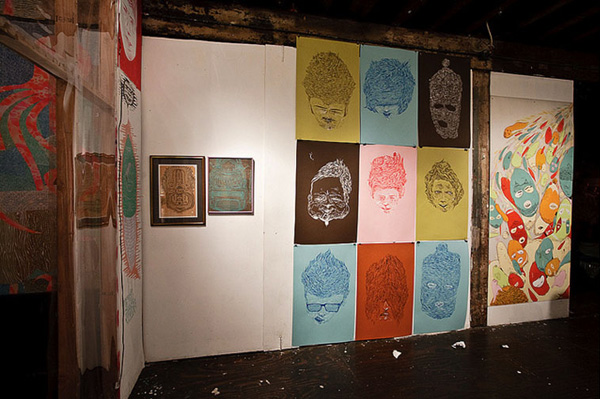
Secret Project Robot

Gallery Spotlight: Secret Project Robot

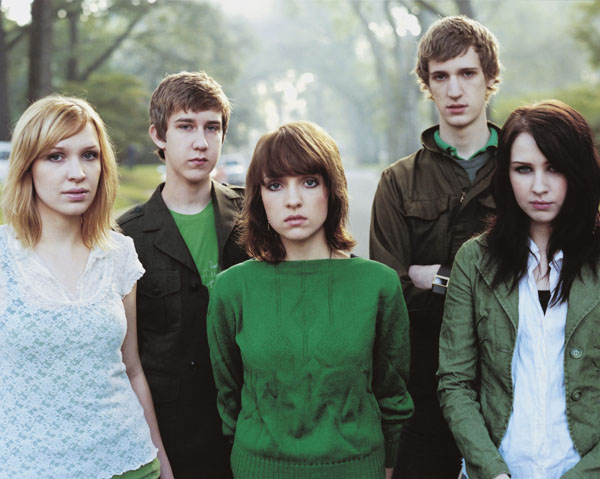
In 2004, Rachel Nelson and Erik Zajaceskowski, along with a few friends, formed Secret Project Robot in Williamsburg, New York with the intent of fostering conversation among Brooklyn’s creatives by bringing innovative art and performances to anyone who is interested.

“Is there art if nobody sees it?” Nelson asks. “Yes, of course there is, but not on this whole social level.  We figured we could get people to talk about it and have this whole dialogue.”

Secret Project Robot is focused on creating a solid sense of community through events and exhibits with a postmodern approach that allows for audience participation. “The viewer is completing the work of art,” Nelson says. The multipurpose venue features installation pieces and shows by a number of Brooklyn-based bands.

Shetler and Ivory Serra

World in Stereo: Aurelio’s Laru Beya

Each week, World in Stereo examines classic and modern world music while striving for a greater appreciation of other cultures.

Aurelio: Laru Beya (Next Ambiance / Sub Pop, 1/18/11)

Aurelio: “Laru Beya”

[audio:https://alarm-magazine.com/wp-content/uploads/2011/02/02-Laru-Beya.mp3|titles=Auarelio: “Laru Beya”]

Bringing the Garifuna sound to a global audience, Aurelio Martinez’s sophomore record, Laru Beya, is the second release from the Afro-centric label Next Ambiance, the latest imprint of Sub Pop Records.  After his close friend, Andy Palacio, passed away a year after the release of his acclaimed 2007 record, Wátina, Aurelio has become the new face of Garifuna music and culture.

A culture of intense generational assimilation that began during the slave trade when escaped African slaves inter-married the Caribbean Indian people of St. Vincent Island, the hybrid group was then deported by British colonizers to the coasts of Central America by the late 18th Century.  As a descendant of those forces, Garfunia’s musical legacy is marked by African, Caribbean, Indian, and Latin influences.  It’s a wealthy foundation on which Aurelio builds — a rhythmically powerful record accompanied by an astonishing sense of identity and place.

Mount Eerie

Mount Eerie: Naturalistic Black-Metal Folk

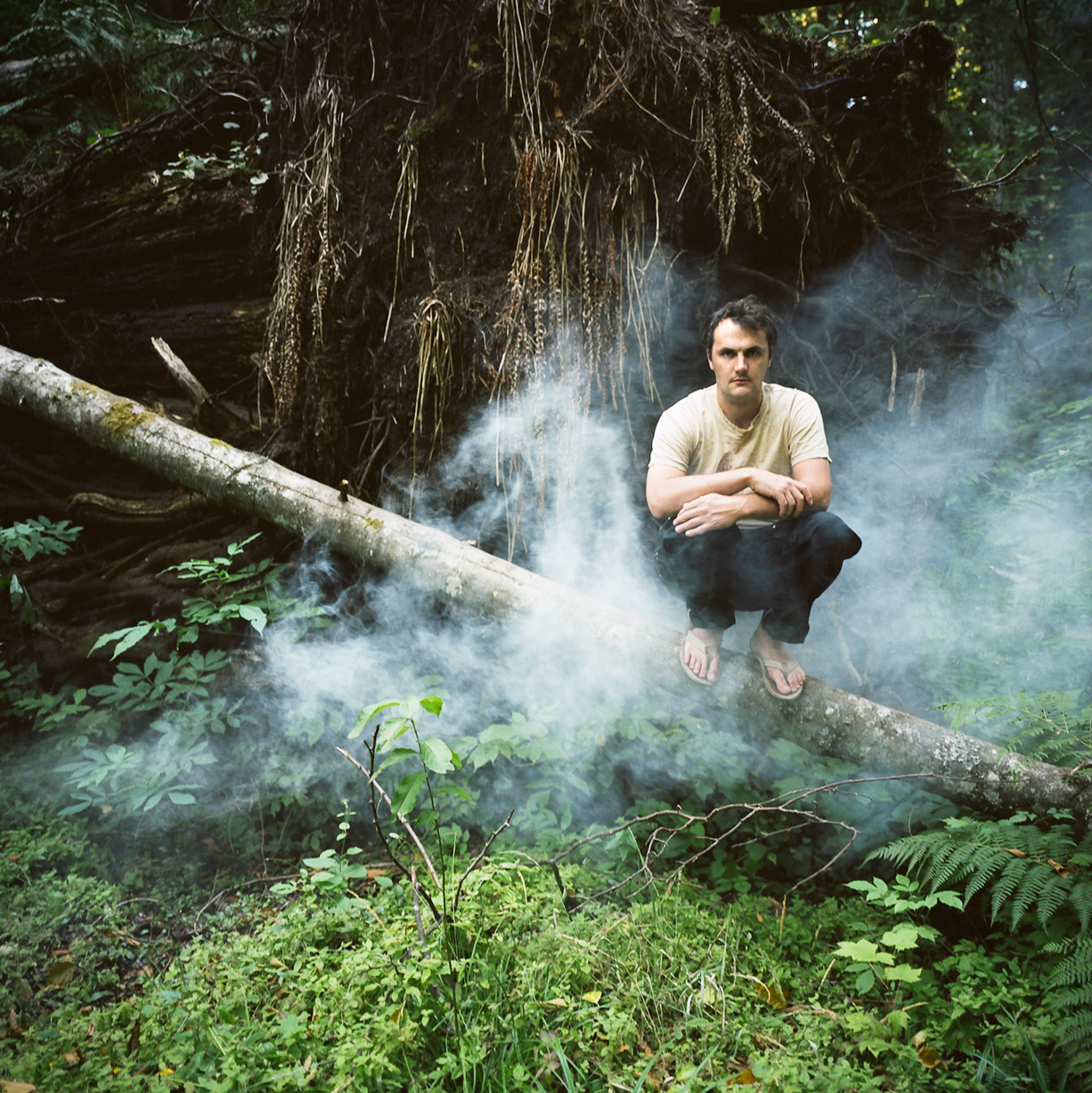
For his 2009 album, Wind’s Poem, Phil Elverum of Mount Eerie explores “feelings in nature” through a dense, textured soundscape with moments of black-metal heaviness.

Madison Smartt Bell

Zine Scene: The Color of Night

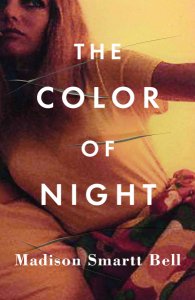
Madison Smartt Bell: The Color of NightMadison Smartt Bell: The Color of Night (Vintage, 4/15/11)

The term “revelry” has fallen out into disuse. When you hear it, you think of the Marquis de Sade or Dorian Gray, of a debauched immersion of oneself in the darker yet still pleasurable parts of life, but rarely of something immediate to your own life.

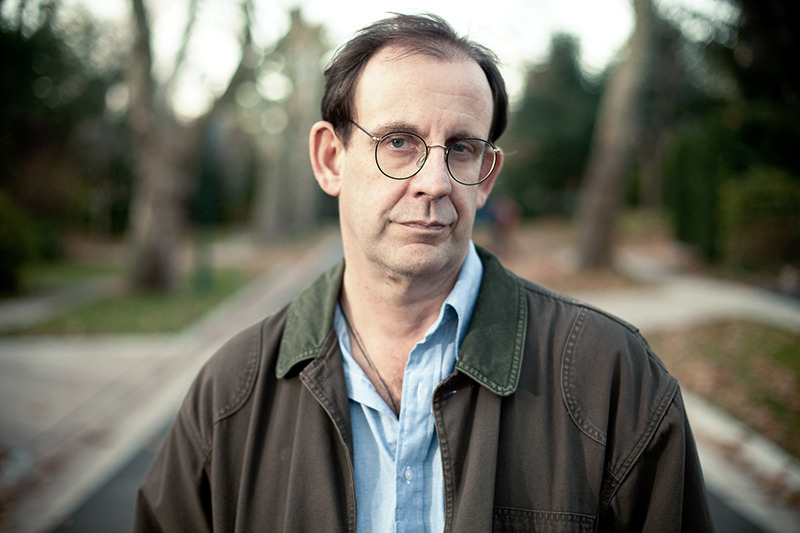
In Madison Smartt Bell’s new novel, The Color of Night, we are made to feel just how current the word still is. When we consider the American public’s obsession with fear, violence, anarchy, and the excessive attention that the news media gives to all of these topics, it’s unsurprising that Bell’s story of revelry rings as true and cuts as deep as it does.

The Color of Night tells the story of Mae, a blackjack dealer in Nevada who develops a strong and immediate obsession with the events of 9/11. She tapes the images of the chaos and blood from news programs (already repeated ad nauseum by the media itself) and, between working at a dead-end job and wandering the desert at night, revels in the endless replaying of so much suffering — for, as Mae tells us, it’s only natural to try and pass your own suffering onto someone else.

The Groove Seeker: Seefeel’s Seefeel

On a weekly basis, The Groove Seeker goes in search of killer grooves across rock, funk, hip hop, soul, electronic music, jazz, fusion, and more.

Seefeel: Seefeel (Warp Records, 1/31/11)

Seefeel: “Dead Guitars”

[audio:https://alarm-magazine.com/wp-content/uploads/2011/02/02-Dead-Guitars.mp3|titles=Seefeel: “Dead Guitars”]

A largely forgotten mid-’90s band that was always ahead of its time, Seefeel has released its first album in 14 years. The self-titled record feels like a debut, and it is to a certain extent, considering the band’s lineup changes. Seefeel explores the territory of electronic outfits such Battles and Emeralds, bands that were influenced by Seefeel’s 1993 debut Quique. It feels like some sort of weird déjà vu.  If anything, it’s an impressive rebirth, one that has the group deconstructing the sample-based post-rock style it pioneered before MIDI sequencers were even looked at as viable forms of instruments.

Formed in 1992 in London, Seefeel’s music was once stylistically situated between shoegaze pop and what people were calling “ambient techno.”  It had a smooth nonchalance to its music, with ambient electro-pop symphonies strung together by Sarah Peacock‘s sparse, dream-like vocals.

Noise pop is perhaps the best way to describe its music retrospectively — or IDM before IDM was IDM.  Though we must not forget those  higher on the electronic family tree (Kraftwerk comes to mind), Seefeel’s importance to the scene lies in fending off the “dance” label.  What’s more, as the first “guitar” band signed to Warp in 1994, its use of live instruments also speaks to its groundbreaking artistry.