Swans

Concert Photos: Swans @ Bottom Lounge (Chicago, IL)

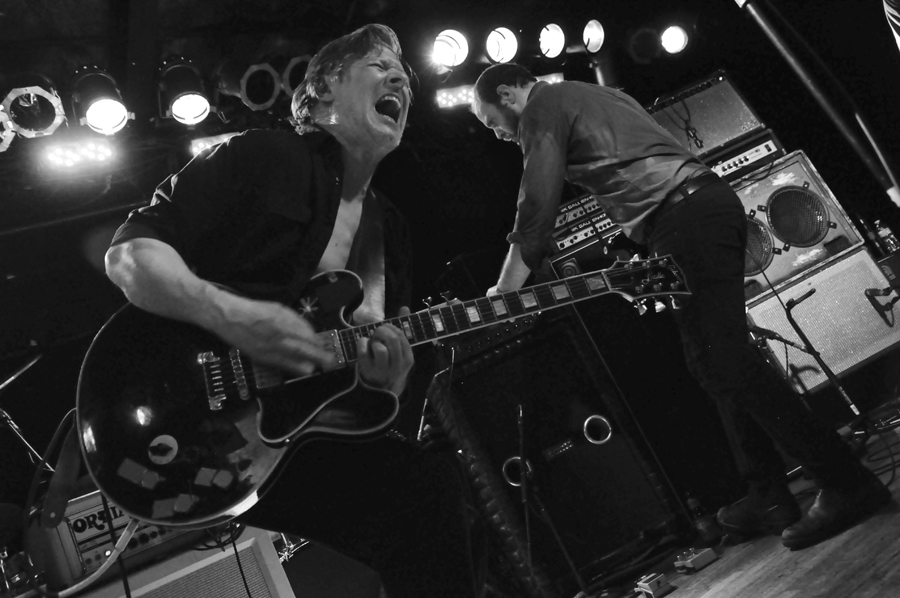
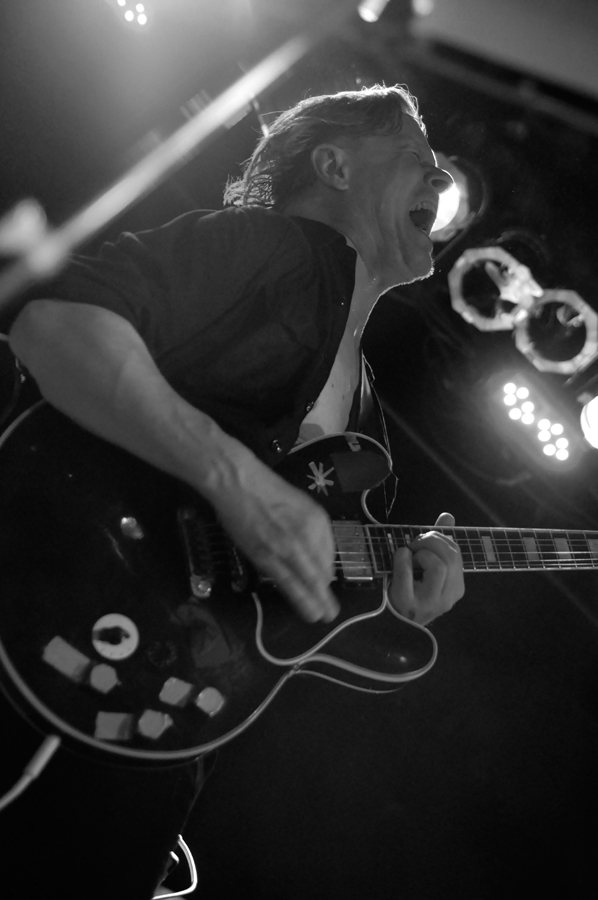
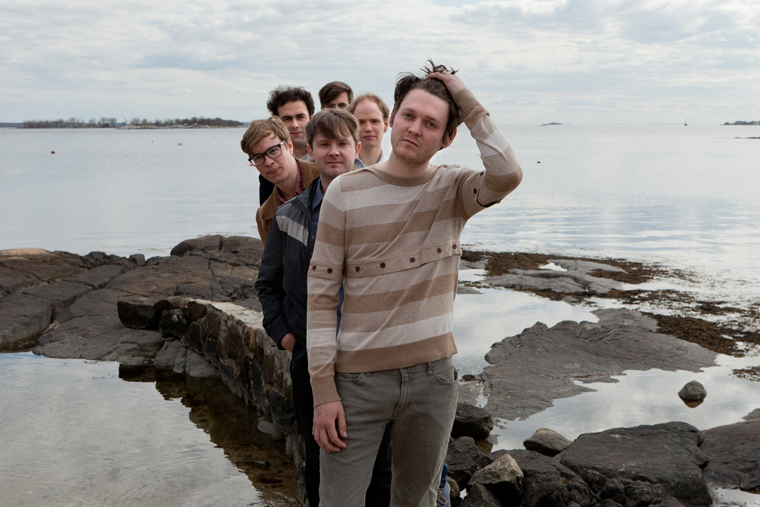
On September 22, reunited post-punk band Swans took to the stage at the Bottom Lounge in Chicago to perform tracks from its 2010 album, My Father Will Guide Me up a Rope to the Sky. The record, Swans’ first studio album in 14 years, sparked a year-long tour, which will be coming to an end on October 1 at All Tomorrow’s Parties in New Jersey.

Swans made a name for itself in the ’80s and ’90s with its intense live shows, and this particular date was no exception. At one point, front-man Michael Gira stomped a press photographer’s camera against a monitor, and followed that with a dirty gesture to another photographer. After the show, lap-steel guitarist Christoph Hahn personally apologized to the photographer, saying, “He gets that way with us sometimes…” Tellingly, Gira once said of his band name, “Swans are majestic, beautiful-looking creatures — with really ugly temperaments.”
–text by Mojdeh Stoakley

Swans

Moses Supposes

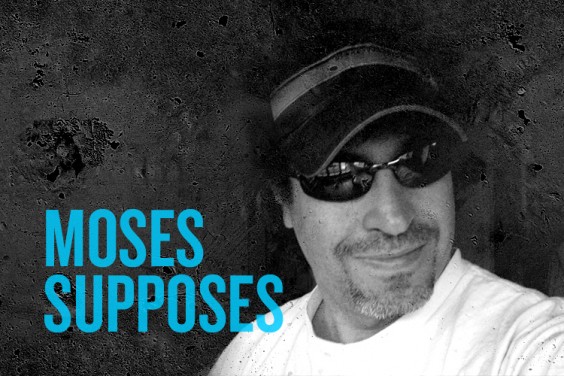
Moses Supposes: “Termination of masters” — bringing new life to classic recordings or helping us lose them forever?

Moses Avalon is one of the nation’s leading music-business consultants and artists’-rights advocates and is the author of a top-selling music business reference, Confessions of a Record Producer. More of his articles can be found at www.mosesavalon.com.

Many artists claim that, given the opportunity, they would take back their recordings from their money-grubbing labels. Well, hundreds of acts will get that chance soon. Recently, the subject of “reversion of masters” surfaced in the New York Times. But when push comes to shove, many artists might opt to keep their hit recordings right where they are.

This excerpt is based on a chapter from the latest book by industry expert Moses Avalon, 100 Answers to 50 Questions on the Music Business.

While many in the music space have known about the coming copyright Armageddon (known as “reversion” / “termination of master rights”) for several years, most artists still have no idea exactly what it means for them and what they can do about it. Though the idea of artists taking back their classic recordings might seem great, given that many feel mistreated by their labels, my bet is that the “devil you know is better than the devil you don’t” philosophy will prevail when the time comes. Here’s why, and a brief guide to help with this decision.

First, what is reversion?

The Copyright Act states that after 35 years, the license or transfer of a work to a publisher (or label) can “terminate” and revert back to the original author. Under that law, artists who recorded material after January 1, 1978 are eligible to reclaim their masters in the year 2013. If the copyrights were created/transferred in 1979, then they are eligible for reversion in 2014; if created in 1980, they are eligible in 2015; etc.

Sounds simple, but for those that recorded/released prior to 1978, things get a bit more complicated. Copyright law has changed several times from 1972 to the present, resulting in several important exceptions to the “termination of masters” provision. For example, because of the change in law that occurred in 1978, artists whose recordings were registered between 1972 and 1978 will need to wait 56 years before they can reclaim their masters; and artists whose masters were recorded before 1972 can never reclaim their masters, because — believe it or not — no sound-recording copyright existed before 1972.

To make matters even more confusing, the window to submit a “termination of master” claim varies in length for each of the zones listed above. Ugh!

With so many variances in the law, we really need a computer to keep track of what masters will become available (isn’t there an app for that?) — especially when one considers that the albums immediately affected are some of pop music’s most successful recordings.

Serengeti

Q&A: Serengeti

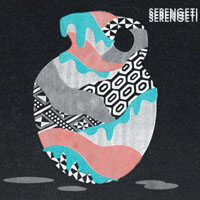
Serengeti: Friends and FamilySerengeti: Family and Friends (Anticon, 7/19/11)

Serengeti: “Ha-Ha” (f. Otouto)

[audio:https://alarm-magazine.com/wp-content/uploads/2011/08/04_Ha-Ha.mp3|titles=Serengeti: “Ha-Ha” (f. Otouto)]

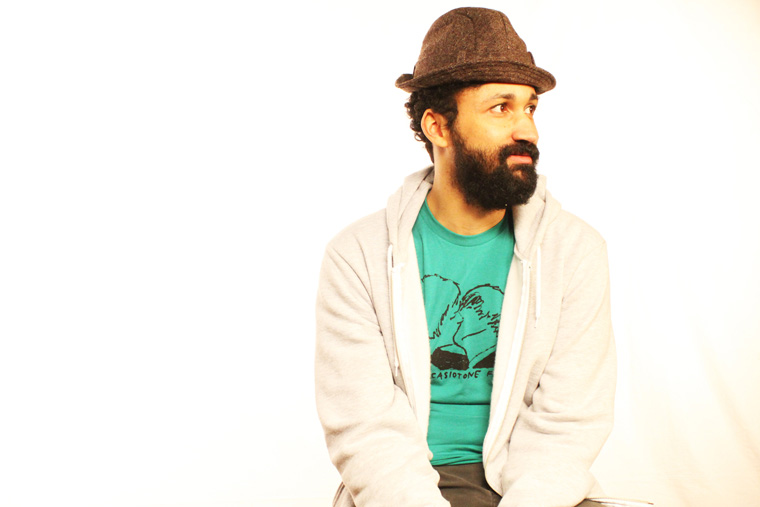
In July, Chicago local David Cohn, better known as independent hip-hop artist Serengeti, dropped his first solo album on Anticon. The record, titled Family and Friends, showcases Cohn’s informal rapping style, which gives the impression that he’s just chillin’ with you in a bar, rattling off stories about somebody’s junkie dad or a failed UFC fighter.

A follow-up to Cohn’s 2009 release with Illinois native Polyphonic, Family and Friends also explores new sonic territory with producers Owen Ashworth of Advance Base and Yoni Wolf of Why?. The washed-out breakbeats on tracks like “PMDD” and “Ha-Ha” complement the more experimental electro-pop mixes of “ARP” and “The Whip.”

Cohn recently took some time to chat with us about his solo release, his current collaborative projects, and his future in film-making.

How do different producers’ styles and strengths complement the many sides of Serengeti?

Well, I have many sides, so working with great guys helps with that. I like to see what each producer does and work within what they do. I used to rap over beats that were already done. Advance Base, Yoni Wolf, the Breakfast Kings, Polyphonic, Jel, and Odd Nosdam are really the only cats I’ve actually sat down to work with. I definitely prefer that way.

What were the biggest differences or adjustments in working with Owen and Yoni for the new album?

With Yoni, I went out to his pad in Oakland, and we did our tunes in a week. With Owen, I’d take the El to his house and work once or twice a week on stuff. No real difference, really — both fellas were very easy to work with. I’d been trying to get it up with Owen for a while, so once we had our first session booked, I was a tad anxious, like, “Don’t blow it.” We did “Flutes,” “PMDD,” and “Kenny vs. Spring” in about two hours.

Shaun Koplow from Anticon hooked up the Yoni thing, so I was again feeling anxious when I flew out there, although we’d done some shows together on a tour. This was different, staying in a pad and such. We had a goal of a song a day, and we did it. Both fellas were great to hang out with, and I’d liked them for a long time, so it felt like a step in the right direction. Thanks, Owen, Yoni, and Shaun.

Morrow vs. Hajduch

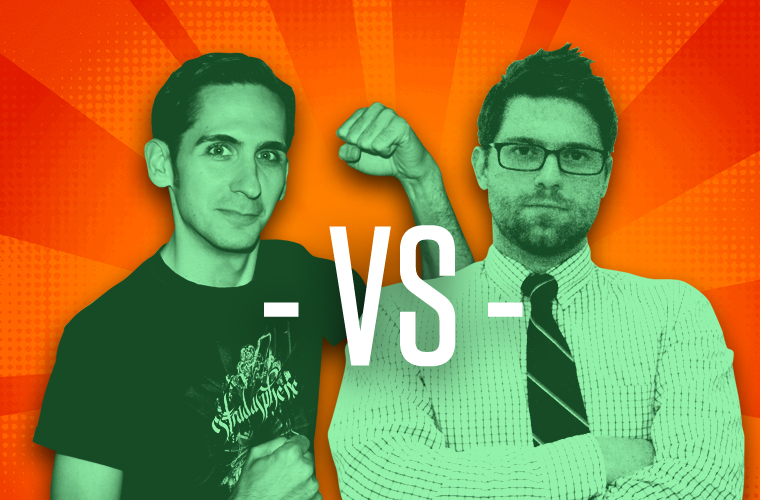
Morrow vs. Hajduch: Junkyard Empire’s Acts of Humanity Vol. 1 & 2

Scott Morrow is ALARM’s music editor. Patrick Hajduch is a very important lawyer. Each week they debate the merits of a different album.

Junkyard Empire: Acts of Humanity Vol. 1 & 2Junkyard Empire: Acts of Humanity Vol. 1 & 2 (Mediaroots, 7/12/11)

Junkyard Empire: “We Want”

[audio:https://alarm-magazine.com/wp-content/uploads/2011/09/Junkyard_Empire_We_Want.mp3|titles=Junkyard Empire: “We Want”]

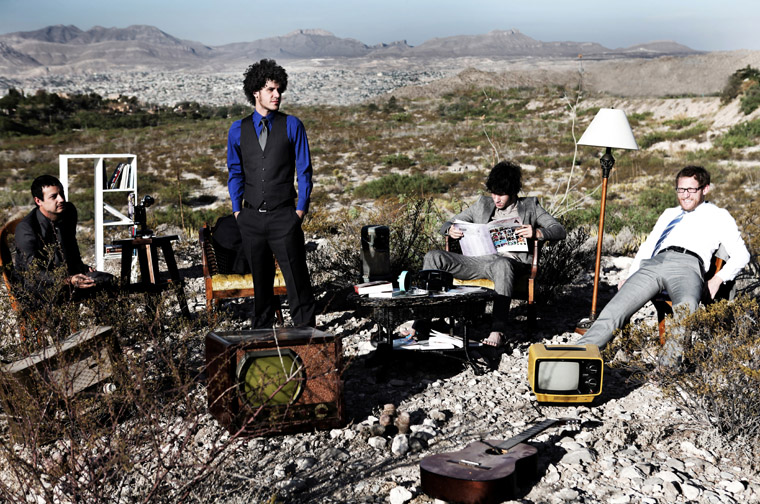
Morrow: Based in St. Paul, Minnesota, Junkyard Empire is an emphatically political five-piece hip-hop/jazz/rock crossover ensemble, topping a groove-heavy amalgamation with scathing rhymes and spoken-word speeches.

On its newest album, Acts of Humanity Vol. 1 & 2, MC Brihanu is incensed from the get-go, using the opening verses to cite a barrage of America’s fucked-up foreign policy while referencing the School of the Americas, the backing of military juntas and death squads, and support for dictators such as Augusto Pinochet, Joseph-Désiré Mobutu, François “Papa Doc” Duvalier, and Manuel Noriega.

Though a handful of other tracks take a more personal approach, the vast majority is just as biting, addressing American imperialism, capitalism, Israeli aggression, and much more. The music and delivery, for the most part, are above average, but a bit of cheesy funk/R&B seeps into the mix — including a very “Shoop”-esque “hey-eee!” on “Regla.”

North Coast Music Festival

Concert Photos: North Coast Music Festival

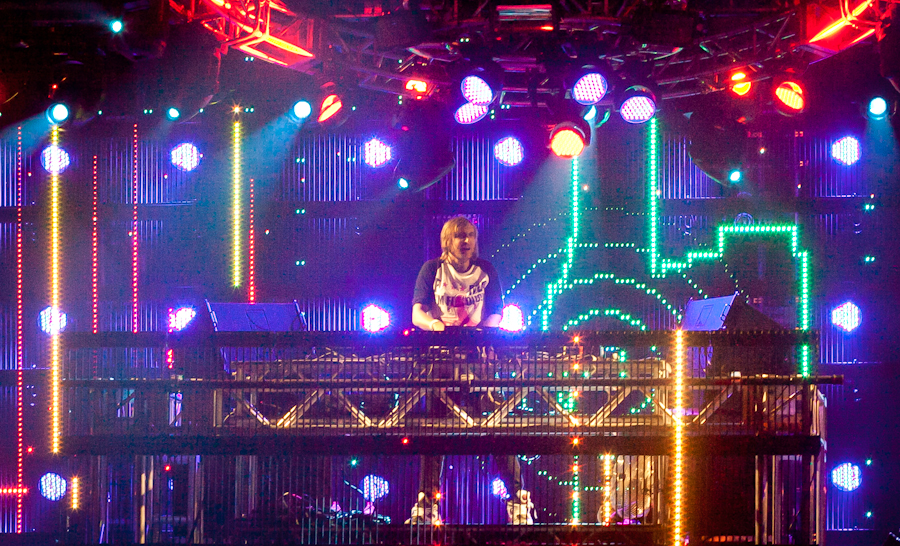
“Summer’s Last Stand,” better known as North Coast Music Festival, lived up to its self-given nickname this year, breaking a sizable inaugural attendance and raking in nearly 50,000 loyal fans for a sold-out sophomore year. Despite being slightly overshadowed by Chicago’s other popular summer music fests, North Coast surpassed them in diversity with a far-reaching lineup.

Heavy beats bumped Union Park for a straight three days, spun by dubstep producers SBTRKT and Rusko and electronic hypnotists STS9 and Bassnectar. Day performers Little Dragon and Of Montreal loosened crowds for each night’s main acts, including Wiz Khalifa and David Guetta, who were silhouetted by LED backdrops on both headlining stages. Other ALARM favorites on hand included Common, Gogol Bordello, Thievery Corporation, RJD2, and The Budos Band.

Chicago photographer Caleb Condit was present to document the good times.  Check out the massive gallery below.